Minor Greeks 4: Chios and Crete
2023-08-18 · ahowl11
Hello and welcome to our next edition of Greek Minor Faction DDs! Today, we take a look at: THE ISLANDS
Our first addition in the Aegean is CHIOS. Chios was and is one of the most fertile islands in the Eastern Mediterranean and accordingly Thucydides called its inhabitants "the wealthiest Greeks." Chios covers almost 900km² and its mountaints rise up to a height of 1300m, making it its own diverse world. It was settled since the Neolithic period, but its Greek settlers only arrived in the form of Aitolians and Ionians around 1000 BC. Not long after Athens, Chios adopted democracy, and almost logically, the island Polis was part of both Delian Leagues. Yet, in 412 BC, with Athenian fortune waning, Chios dropped out of the League and successfully resisted Athenian attempts to retake it. Under the influence of Mausolos of Caria (Yep), the Chian democracy was overthrown in the mid 4th century BC and replaced with an oligarchy. The oligarchy formed a new league with Rhodes, Kos and Byzantion under the protection of Mausolos and quit the Delian League for a second time in 357 BC. The pro-Persian oligarchy fell under direct Carian rule in 346 BC, but we still find Chios supporting Athens in defending Byzantion against Philip II of Macedon a few years later - the enemy of my enemy is my friend. Yet, when Alexander bypassed Chios on his campaign into the Persian Empire, democracy was restored. In the Hellenistic period, Chios remained an economic powerhouse, being the only produder of mastic in the world, an important resin. Today, Chios is still the greatest mastic producer in the world, and Mastic is still often called "tears of Chios."
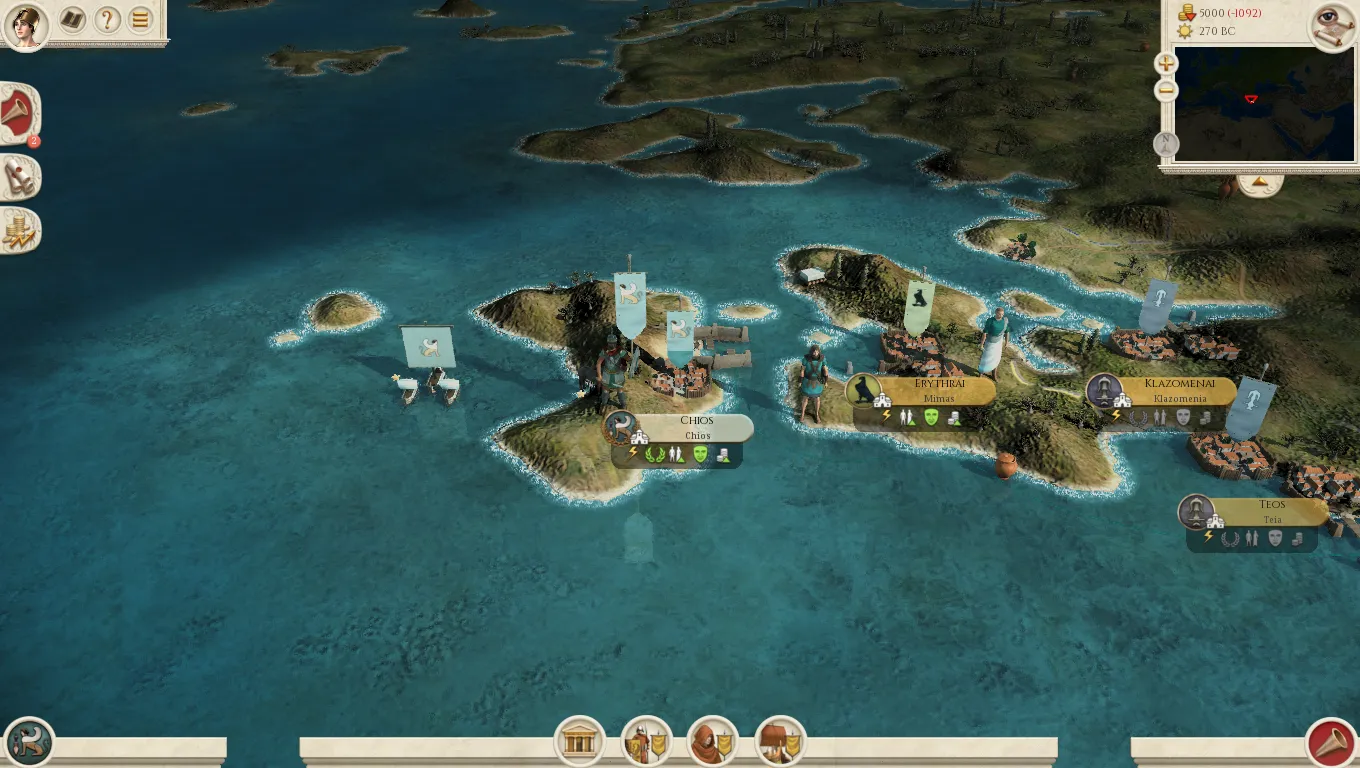
This affluence, combined with wisely choosen alliances and a strong local fleet, allowed the Chian democrats to successfully navigate between the great powers. In 202 BC, Chios joined Pergamon and Rhodes in their coalition against Philip V of Macedon and when the king sent a fleet to conquer the island, the Chians won an emphatic victory. After the war, friendly relations with Rome were established and the Chians fought alongside Rome and Pergamon against the Seleucids in 190 BC. The Romans honoured Chios and extended its territory, for which they paid the price in the early 80s BC, when the Pontic general Zenobios crossed over to the island and looted it. Sulla, however, restored the city and it remained free until Vespasian annexed it into the *provincia insularum*. In 270 BC, Chios starts under the protection of the Ptolemaic Empire, with good relations to Rhodes, Pergamon and Byzantion. What role will the Eldorado of the Aegean play in your campaign?
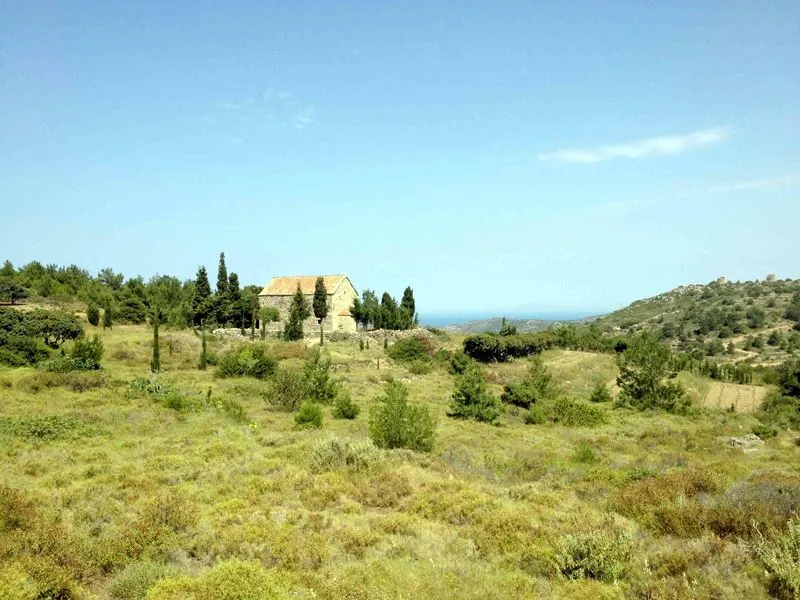
Mastic Trees on Chios
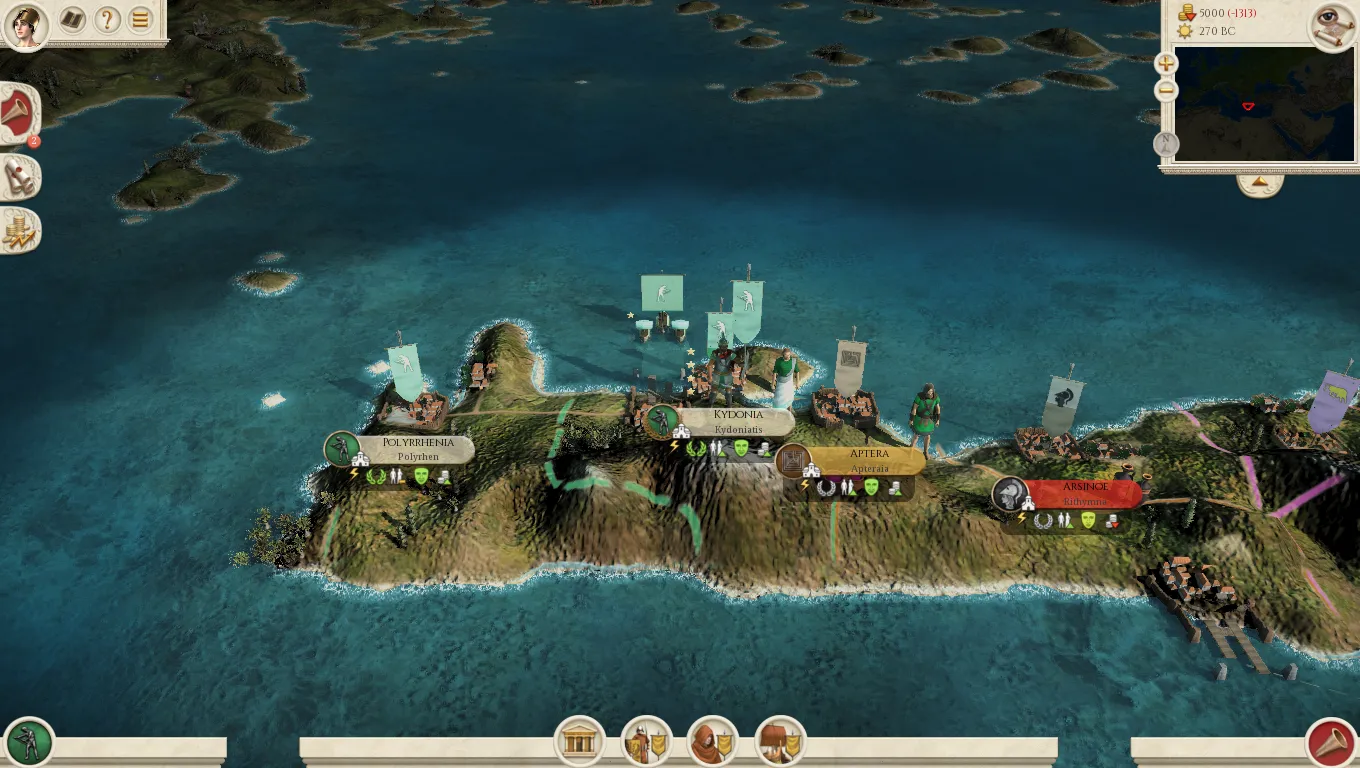
With that, we are moving to CRETE. The first faction, located in Crete's West, is KYDONIA. If you have visited Crete, there's a good chance you may have been to Kydonia, now called Chanía. In antiquity, Kydonia was the third largest city on the island, and already one of the palatial centres in the Minoan period during the second half of the 2nd millennium BC. In 524 BC, Kydonia was seized by Samian exiles, who in turn were expelled by an army from Aigina, which was culturally affiliated with the Minoan culture. These events also brought a strong Dorian element to Kydonia, which helped to establish close relations with Sparta. As such, Kydonia became the target of an Athenian campaign in 429 BC and had to fight some of its pro-Athenian neighbours. In 342 BC, the city was besieged by the condottiere Phalaikos, but survived once again. Relations with Athens improved in the early Hellenistic period, in line with the rapprochement between Athens and Sparta. In 272 BC, Kydonian troops landed on the Peloponnese to help defend Lakedaimon against Pyrrhos. At this time, an alliance was concluded with Aptera, which, however, also fell in the orbit of Knossos, while Polyrrhenia was bound closer to Kydonia, itself being a friend of Sparta. It is possible that, as such, Kydonia and Polyrrhenia were members of the Chremonidean League which fought Macedonian domination of Greece in the 260s BC - the Athenian treaty only mentions "the Cretan friends of the Athenians and Lakedaimonians." Though the war was lost, Kydonia retained close contacts with the Ptolemies, who had sponsored the effort, and in 248 BC an Egyptian temple was built in Aptera.
During these years, Gortyn and Knossos increasingly subjected the other Cretan cities to their rule(s), and in 220 BC Kydonia had enough: Supported by Polyrrhenia and Lyttos, it challenged the hegemony of the two big Poleis. While Lyttos supplied the most troops and suffered badly, the coalition eventually triumphed thanks to securing the support of Macedon and the Achaian League. Kydonia could now extend its control over western Crete and in 180 BC Apollonia was included into Kydonia's territory. Yet, by the end of the century many Kydonians took part in piracy and was punished by two Roman expeditions, ending in the occupation in 69 BC. During the Civil Wars, Kydonia refused to support Marc Antony - as it turned out, this was a glorious decision, as Antony was defeated at Actium and Octavian became emperor as Augustus. Augutus had not forgotten the stubborn resistance of Kydonia and restored it as an independent city.
What role will Kydonia play in your campaign? As Athens, Sparta, Achaia or Macedon, you may seek them out as an ally on Crete, but if you want to conquer them instead, beware of the difficulties
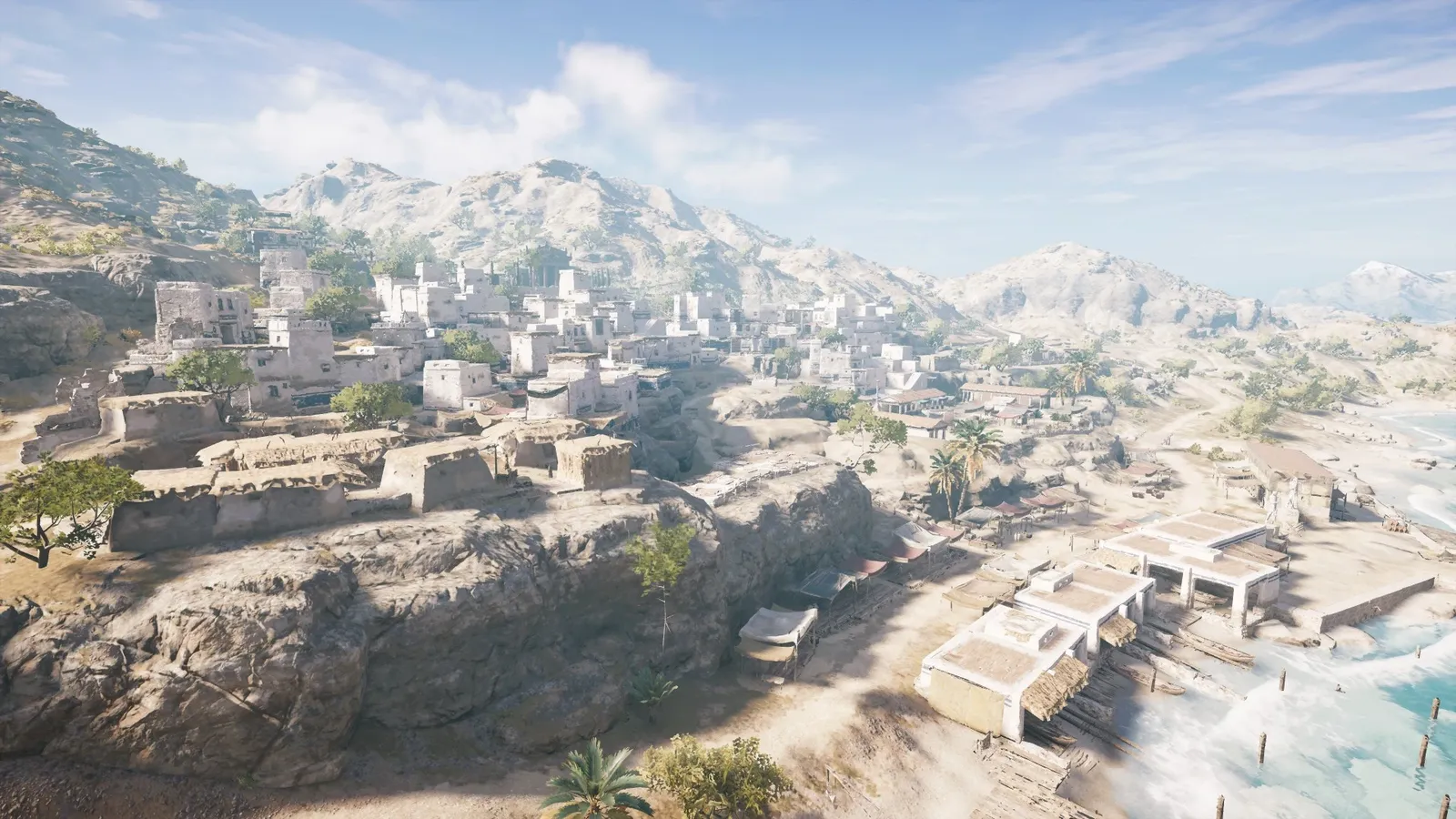
Kydonia in Assassin's Creed: Odyssey (Copyright Ubisoft):
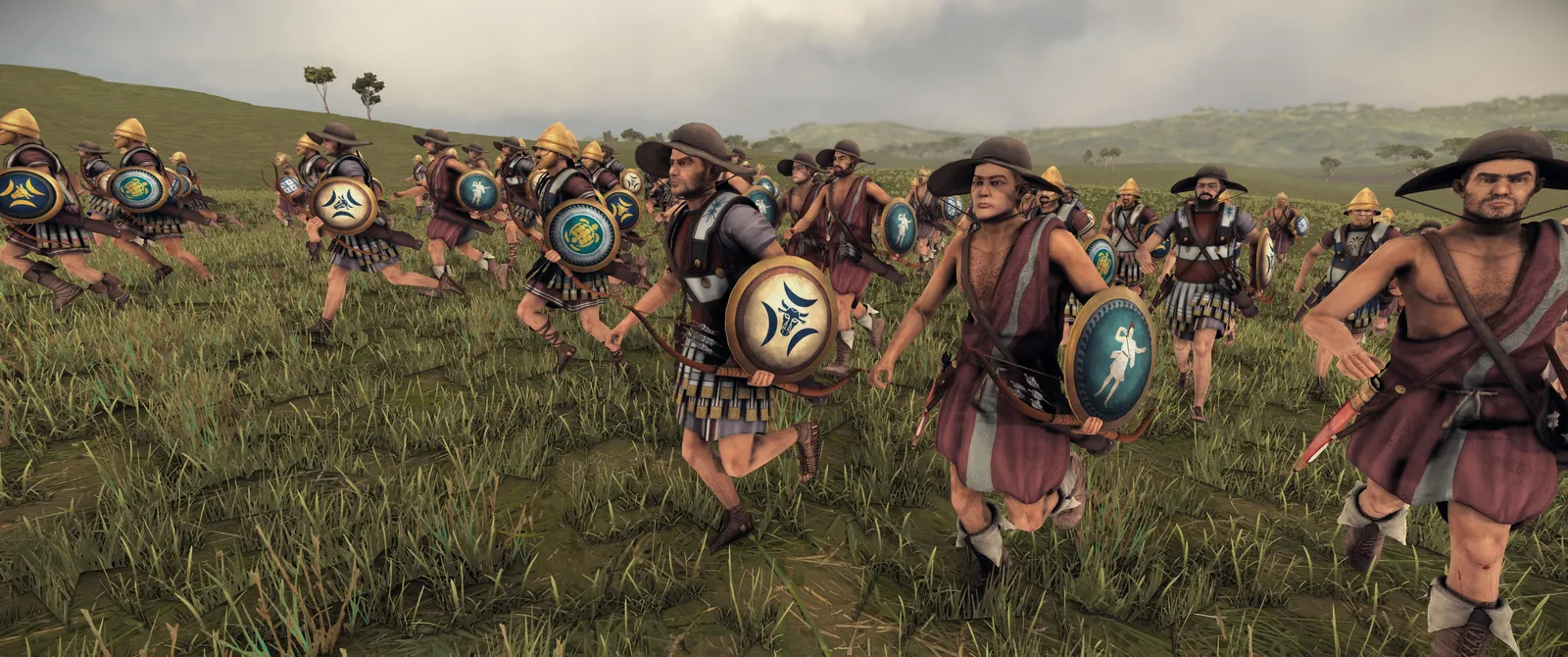
Kydonian Archers
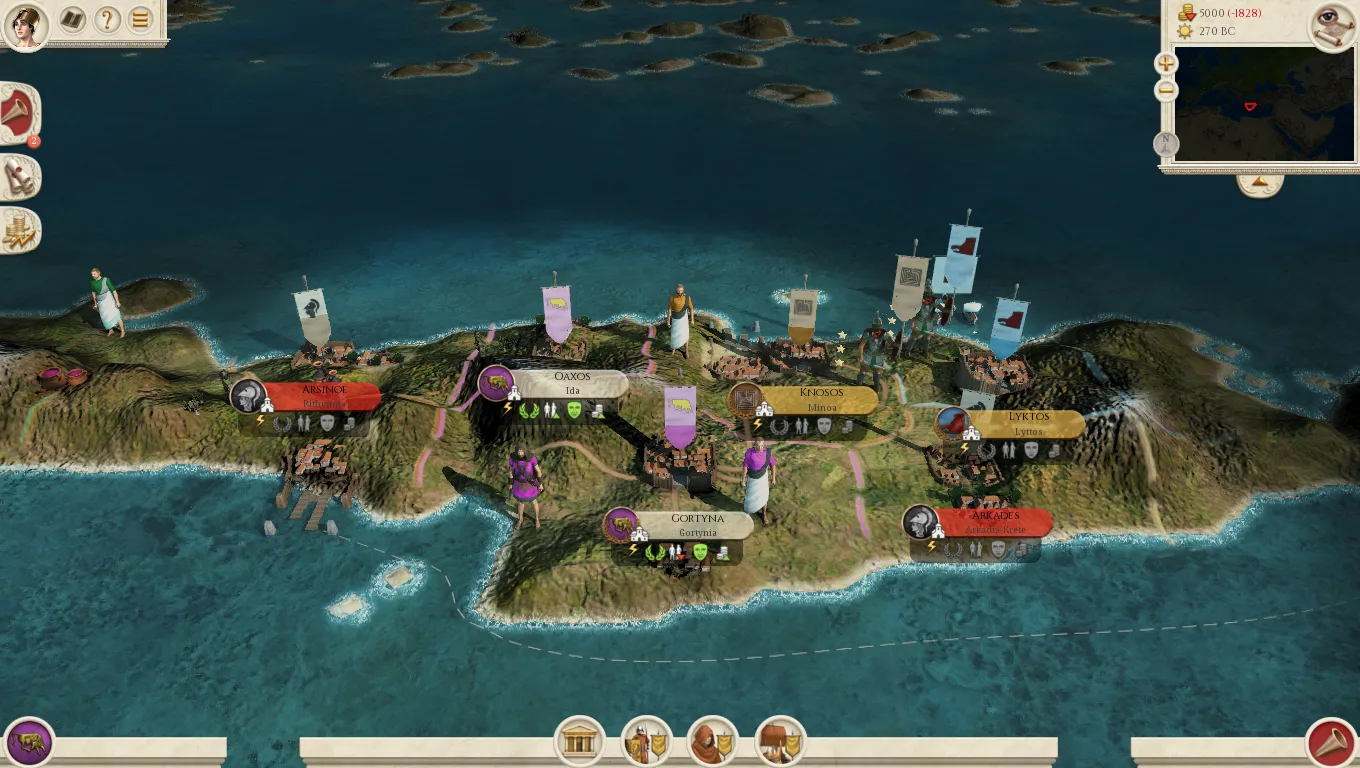
Our second faction in Crete is GORTYN, also called Gortyna or Gortyne, modern Gortys. Legend has it that Zeus and Europa spent their first night together under a tree in Gortyn, which still stands today (though your dear Mausolos was sceptical of the claim when visiting the place last year). What the myth makes clear is that the city was VERY old: Therefore, it is mentioned in Homer's Odyssey and archaeological excavations show that it was already settled in the Minoan period, though back then it was a dependency of the palatial society at Phaistos, which is situated on a plateau overlooking the Mesara valley in which Gortyn is located. By the Archaic period, Gortyn became a predominantly Dorian city and accordingly a friend of Sparta. From this period stems the surviving inscription of the city's constitution, the longest such text from antiquity that is still preserved.
By the Hellenistic period, the Gortynians had conquered the whole valley and subjugated Phaistos and modern Matala, once a Minoan port city. In the second half of the 3rd century BC, Gortyn and its traditional rival Knossos divided the island into two spheres of influence. When Kydonia, Lyttos, Polyrrhenia and others objected to this domination, the Lyttian War (220-216 BC) ensued. Though initially successful in their campaign against the Lyttians and their allies, civil strife soon broke out in Gortyn: Polybios tells us that the older citizens favoured the continuation of the alliance with Knossos while the younger men preferred a rapprochement with Lyttos. Unable to support the Knossians, these called the Aitolian League for help. The older Gortynians now invited them to Gortyn and the younger part of the population was expelled to Matala. These, however, soon turned the tide on their enemies by seizing Matala and assembling a new army that proceeded to besiege Gortyn. Meanwhile, Lyttos and Polyrrhenia had secured the support of the Achaian League and Macedon and in the West of the island, the new forces made great progress against the Knossian allies, eventually capturing Aptera. By 216 BC, the young Gortynians had taken back their home city and signed a peace agreement with Macedon. The Knossians were all but defeated and accepted Macedonian overlordship.
This would only last until Philip V's defeat against Rome in 197 BC, however, and the inter-Cretan wars never fully ceased, though the east of the island had become a Rhodian protectorate after 201 BC and remained in this state for half a century. In 189 BC, Gortyn was visited by the fleeing Hannibal, who saw a flourishing city, which became the dominant force on Crete in the course of the 2nd century BC. When the Romans eventually conquered Crete in a bloody war in the early 60s BC, Gortyn was chosen as the capital of the combined province of Creta et Cyrenaica. It gained further significance in the following centuries as one of the first strongholds of Christianity after Paul the Apostle had visited Gortyn in 59, installing Titus as its bishop.
But back to the Hellenistic period. In the mod, Gortyn has several unique units, mainly based on stelae and other objects found in Gortyn and the surrounding area and now on show in the Archaeological Museum in Heraklion. This includes the Gortynian Thureophoroi, who wear heavier body armour than most Thureophoroi, but no javelins. The Hoplites have archaic belly plates, who may have remained in use in later periods, as everything in Crete was more conservative than elsewhere - this is stated explicitly in the museum and by Polybios. Their Aspidophoroi and xyston armed Hippeis follow stelae found in the shrine of Glaukos and Kounabi in Eltyna, on the border between the territories of Knossos and Gortyn. Together with Cretan slingers and archers, it gives Gortyn a very diverse and unique roster.
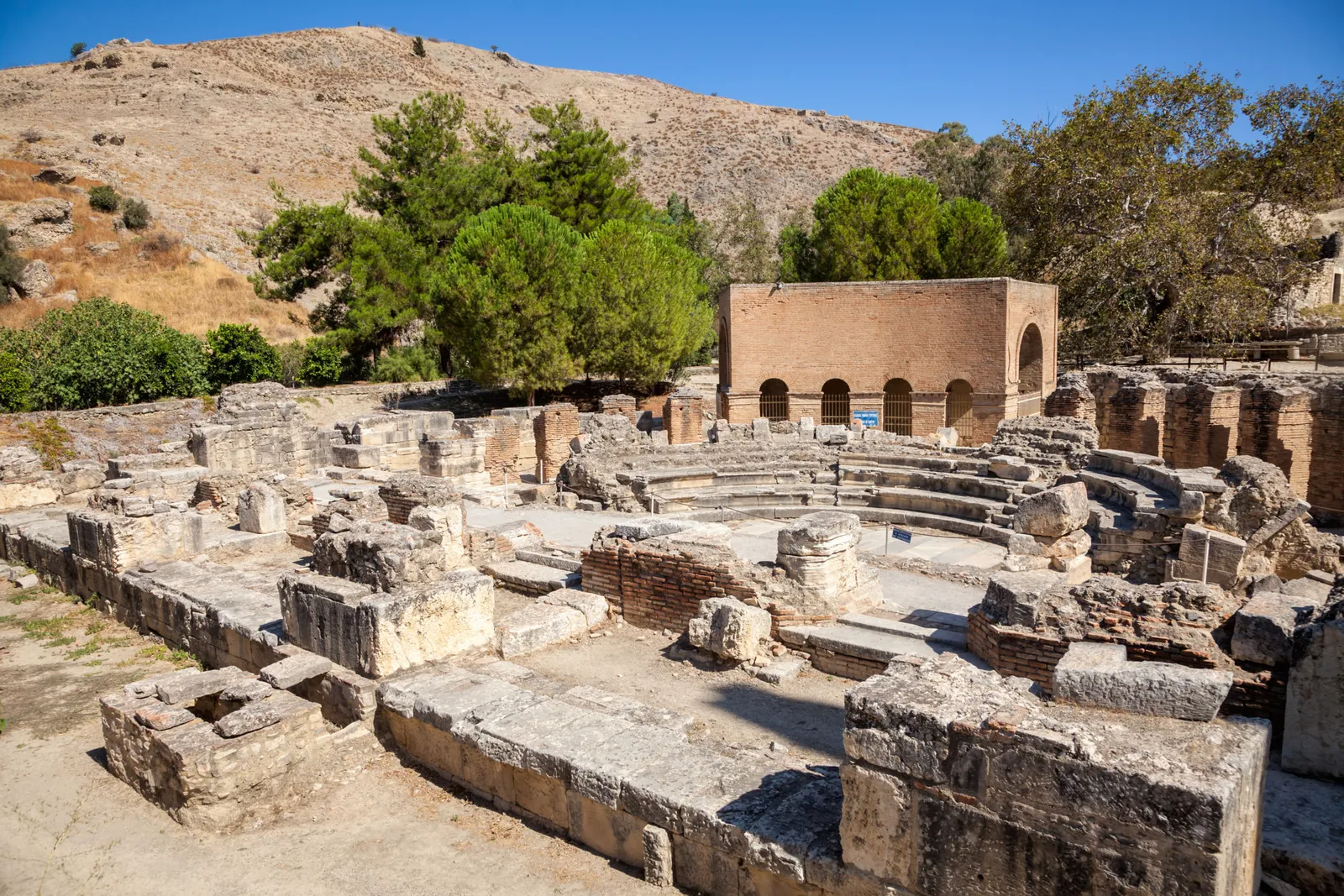
The Odeon of Gortyn, with the enshrined constitution in the background
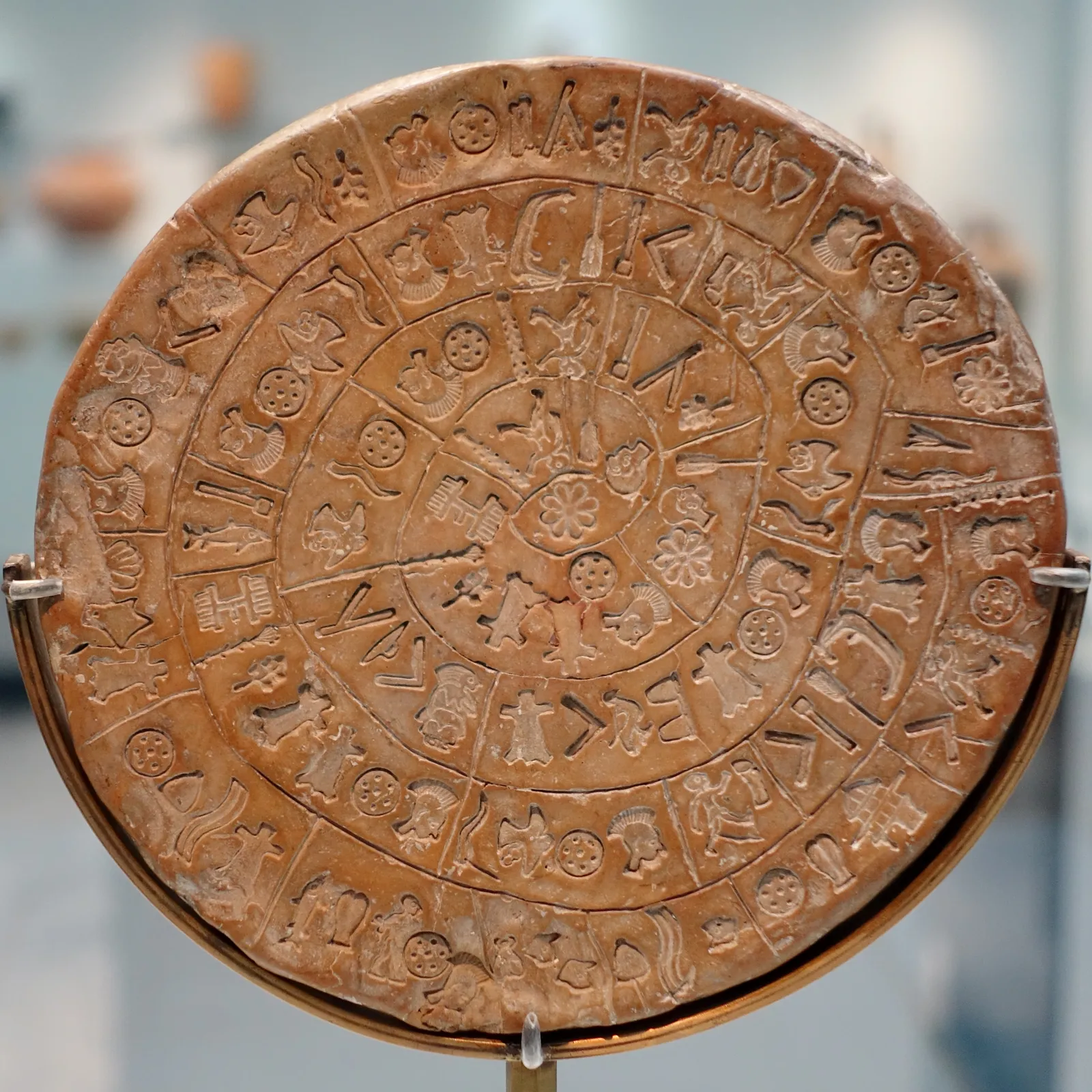
The famous and mysterious disk of Phaistos, which has still not been deciphered
Gortynian Hoplites
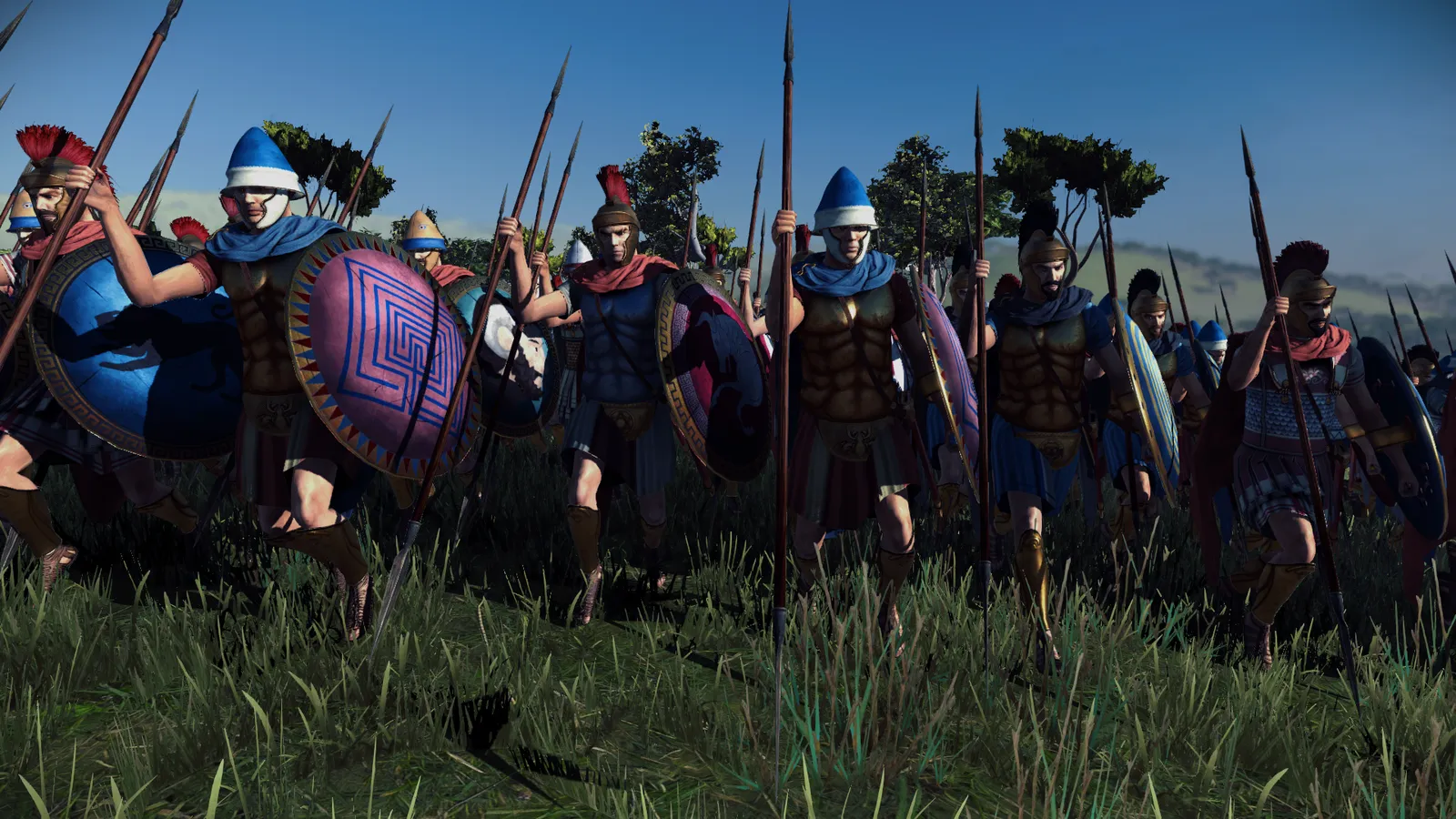
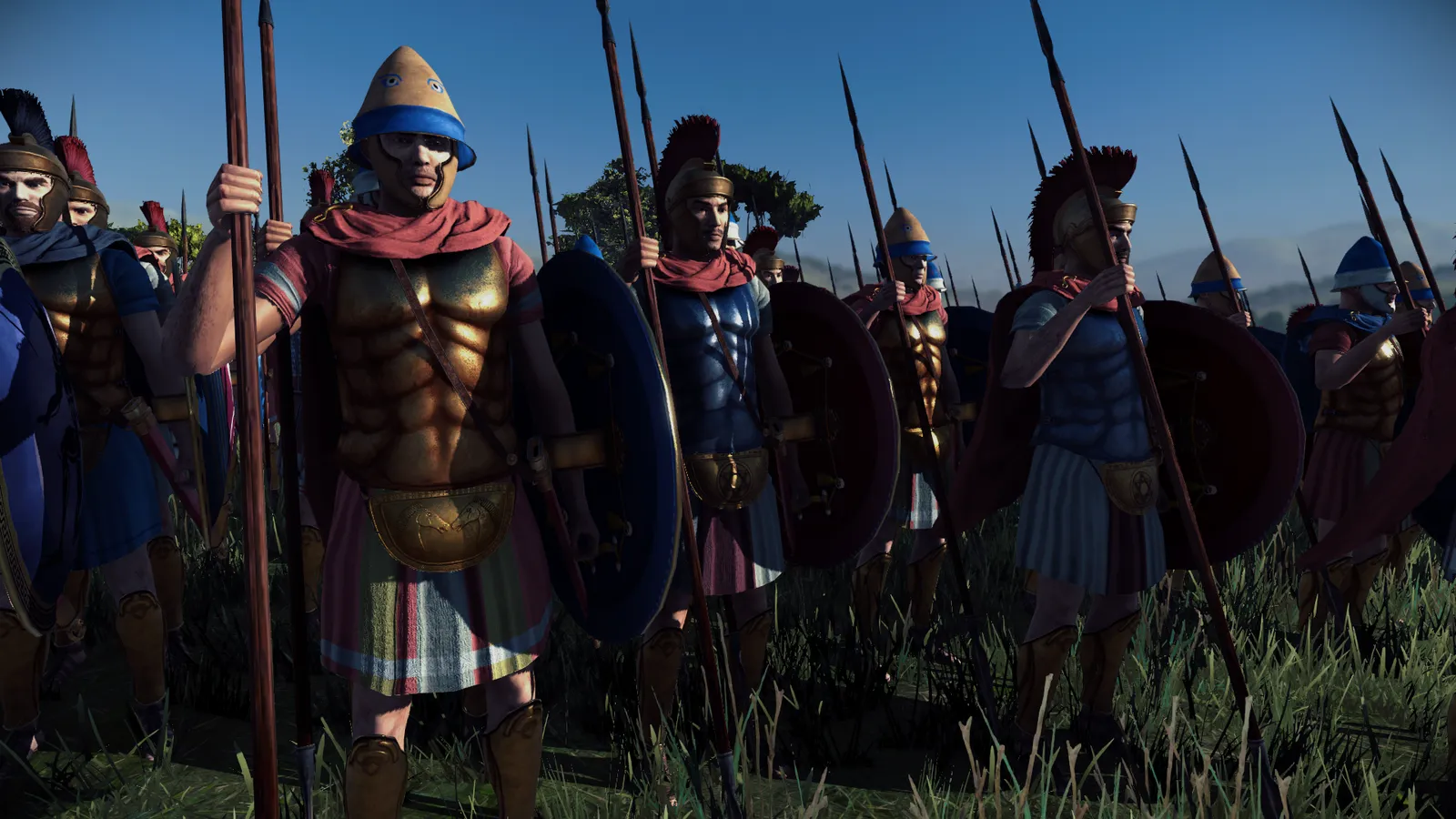
Gortynian Thureophoroi
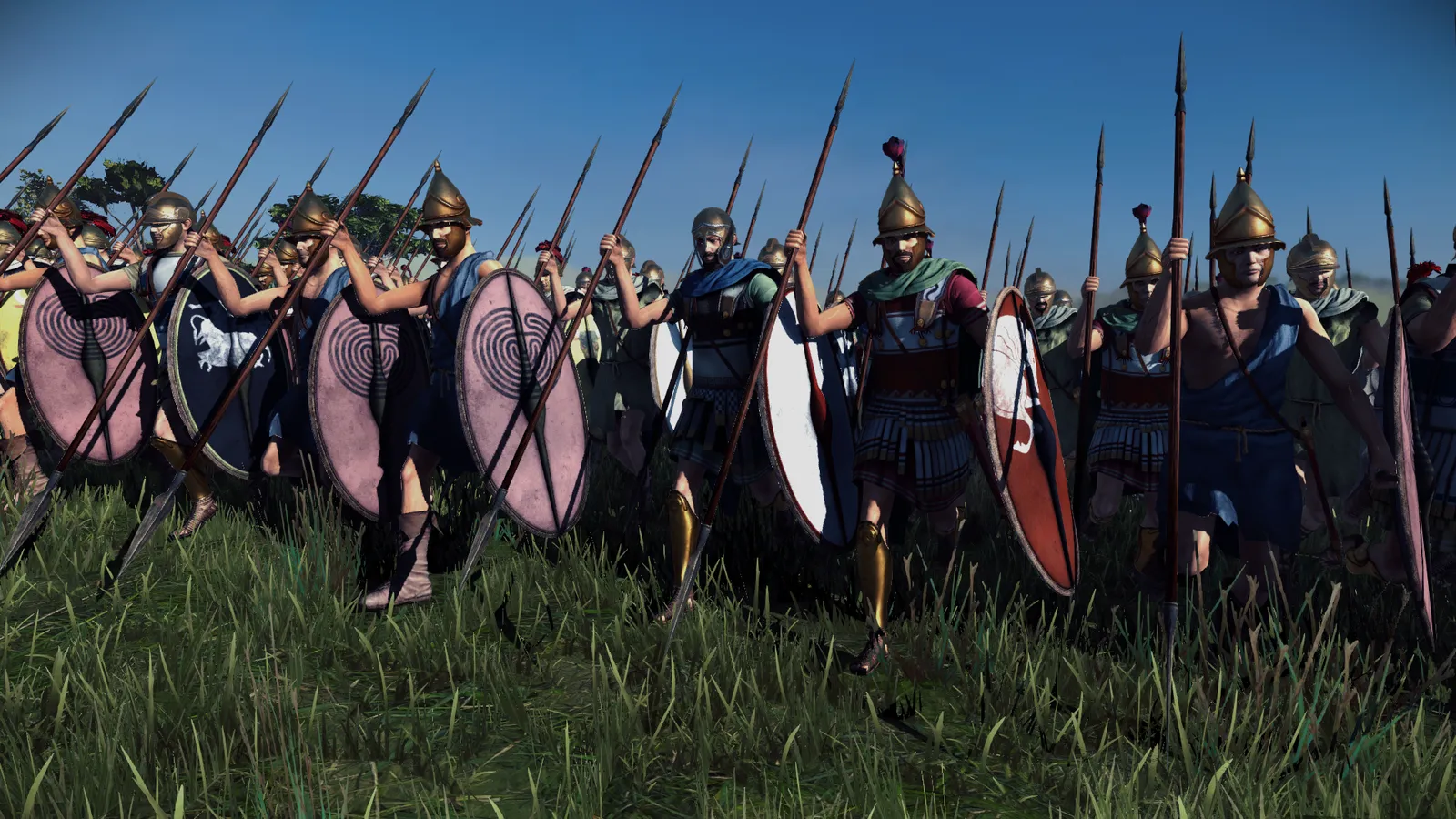
Gortynian Hippeis
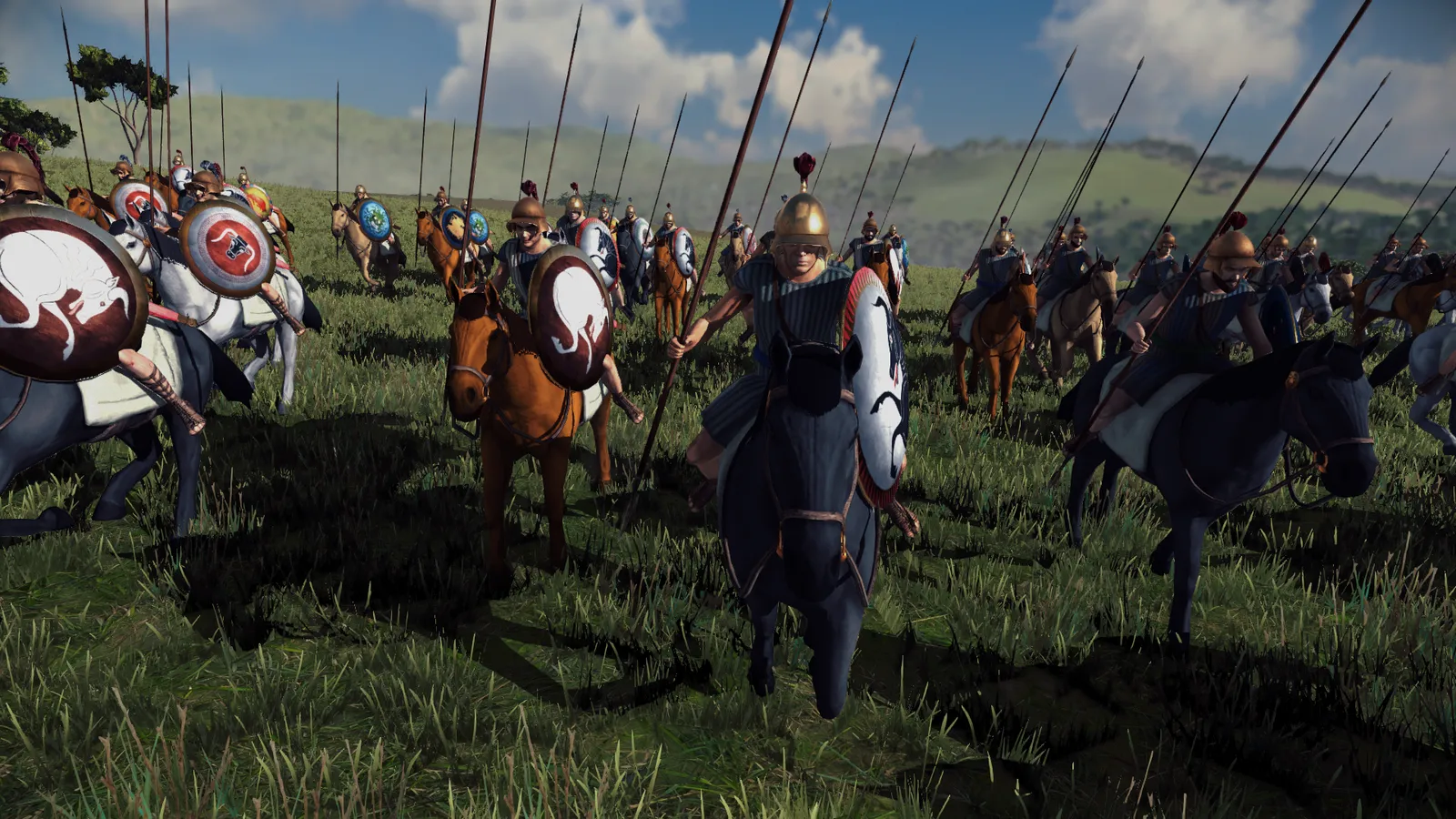
Gortynian Hippeis (Late)
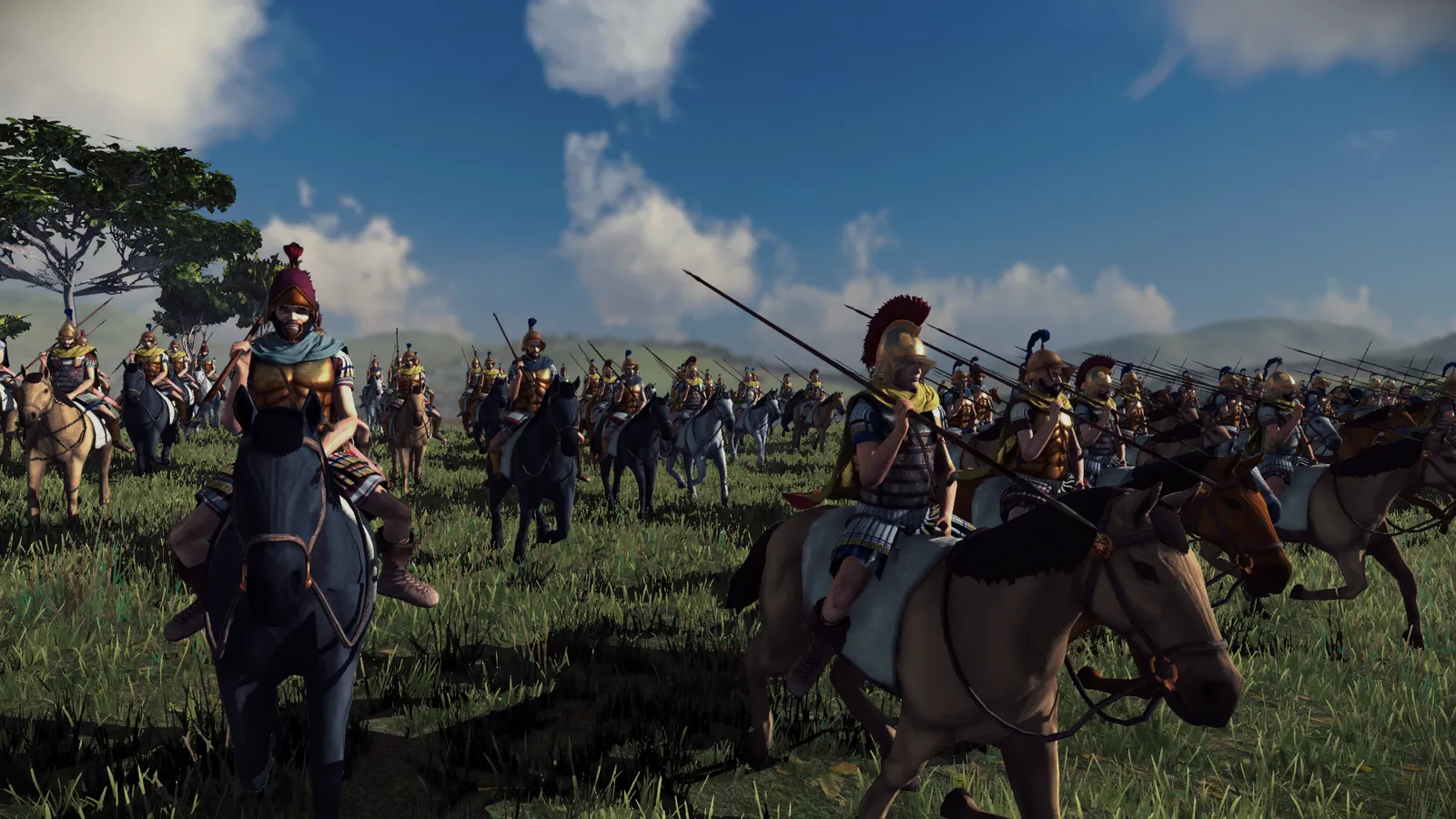
Gortynian Aspidophoroi
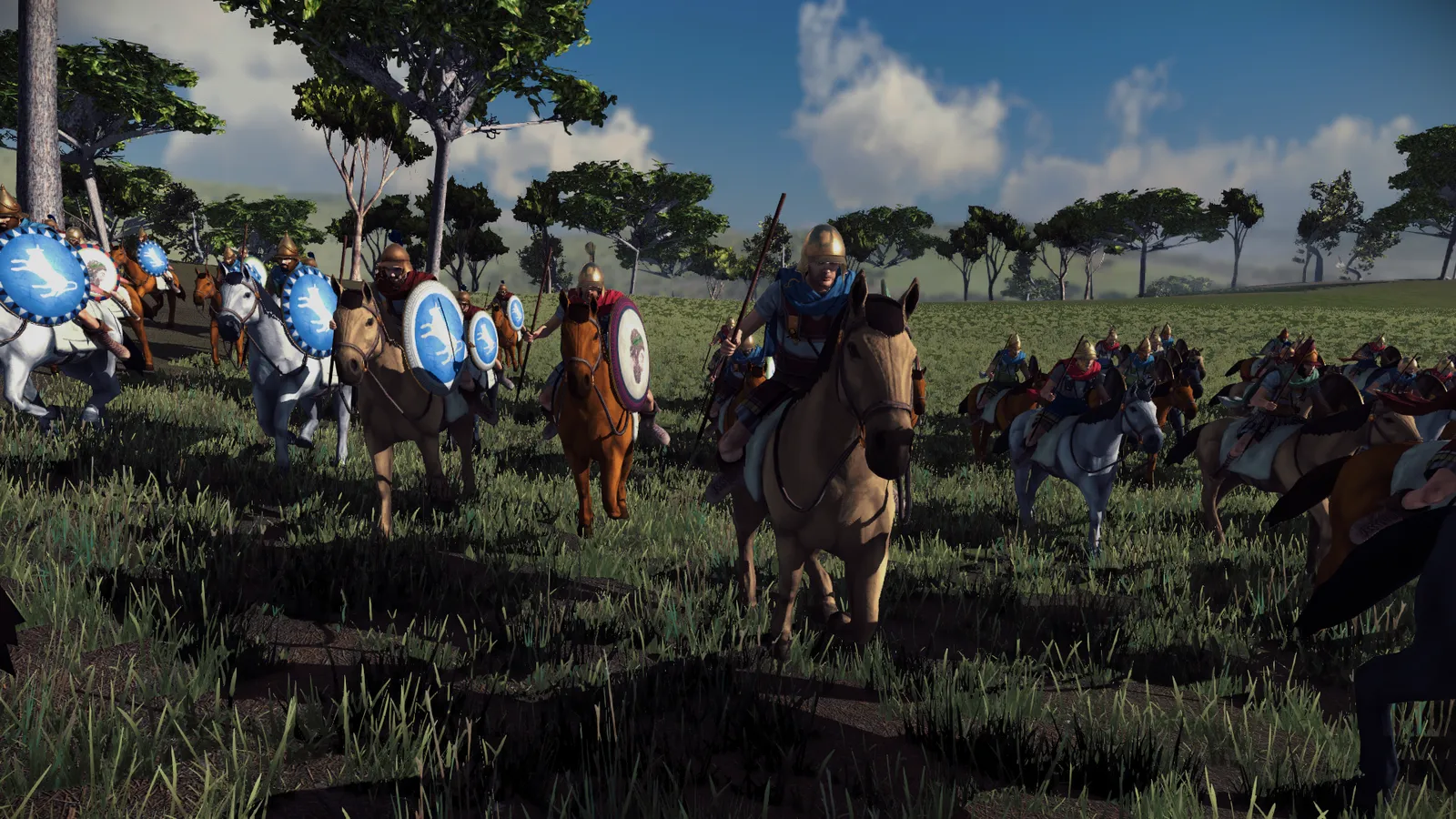
Gortynian Agelai
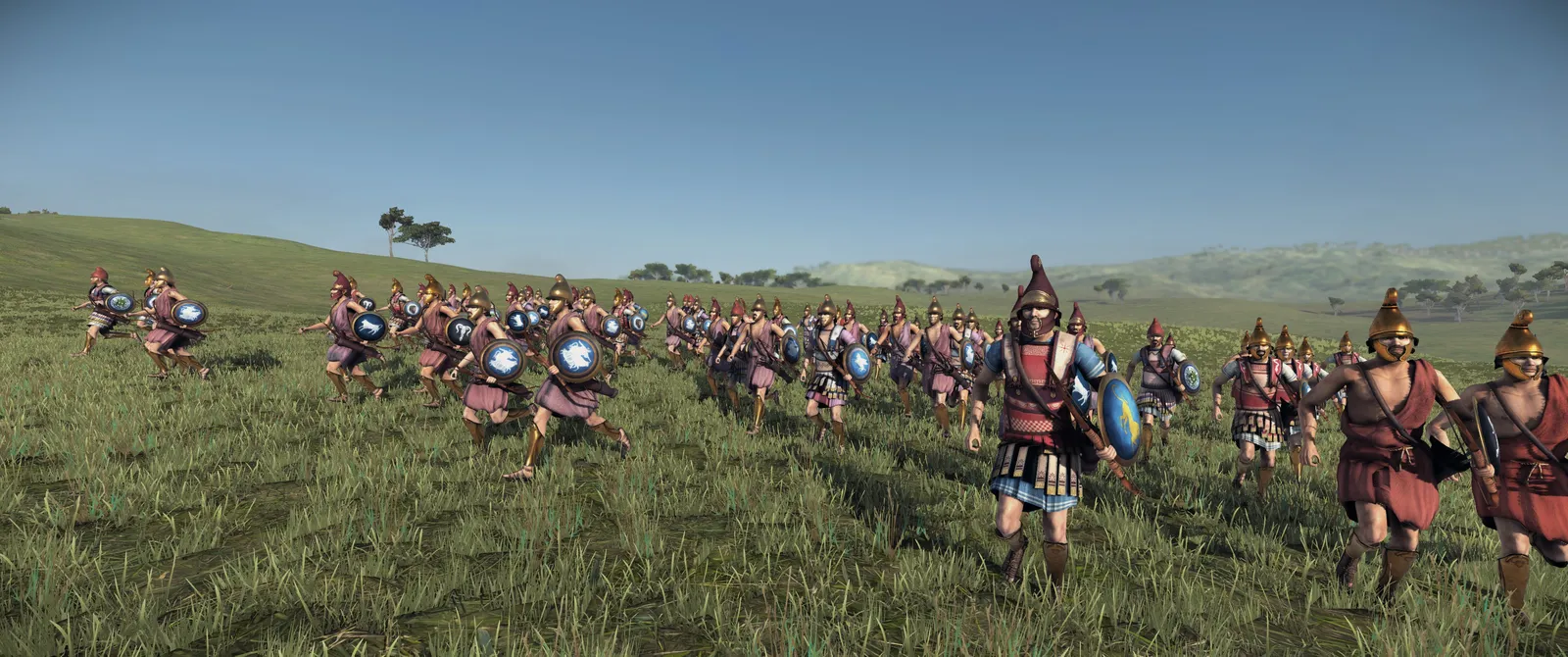
Gortynian Archers
The third faction on Crete is probably the most famous one, KNOSSOS, home of the Labyrinth and the Minotaur, ruled by king Minos, freed by Theseus and Ariadne, working place of Daidalos and Ikaros. Since its early history and its character is so well known (much better than for most of the other factions here I assume), we will skip over it. By the 5th century BC, we find Knossos as an ally of Argos, in difference to Gortyn and Kydonia, who favoured Sparta. It began to bring neighbouring Tylissos under its control, another former Minoan palatial centre once visited by your dear Mausolos on a very, very hot day (but the local cats made up for it). An alliance with Aptera to the west also increasingly turned into a master-servant relationship and as you read above, in the mid 3rd century BC, Knossos found common ground with its rival Gortyn to divide the whole island between the two. When Lyttos, Polyrrhenia and their allies resisted, the Lyttian War (220-216 BC) we have spoken about above broke out. Despite their early victories, including the destruction of Lyttos, whose soldiers were away, and the successfull Aitolian expedition against wavering Gortyn, the Knossians eventually lost because there is always a bigger fish and Lyttos had called the Achaians and Antigonids for help. After the defeat and the loss of Aptera, Knossos became a Macedonian protectorate until 205 BC, when hostilities were renewed. The Knossians had learned their lesson and now found a new ally in Rhodes. Together, they defeated Hieraptyna in the East and captured it, thereby ejecting the largest Macedonian garrison from the island. Concurrently, Philip V of Macedon lost his war against Rome, and the new Rhodian-Knossian alliance dominated the Eastern half of Crete for decades to come.
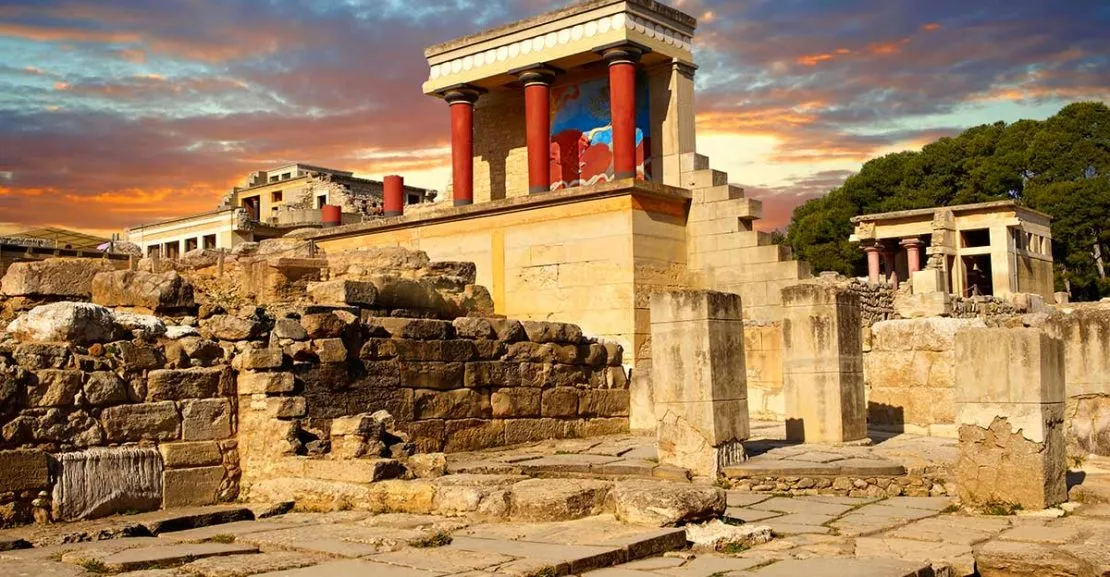
By the late 2nd century BC, however, Gortyn had superseded Knossos as the largest and most powerful Polis on Crete and after the Roman conquest was completed in 67 BC, Gortyn became the provincial capital. Knossos also thrived during the imperial period, however, and eventually turned into Heraklion or Iraklio, the modern capital of the island. Its impressive Minoan ruins are visited by over one million people every year, but to see the Hellenistic and Roman city, you have to go to the Archaeological Museum. Here, you will find the archaic belly plates as well as the stelae from the shrine of Glaukos and Kounabi in Eltyna mentioned above, which served as the basis for both Gortynian and Knossian units, since they were found on the border of the two states. The various cavalry units pay tribute to Ephoros, a 4th century historian, who emphasised that the Cretan Hippeis WERE horsemen - in difference to their namesakes at Sparta.
Partly reconstructed Minoan ruins at Knossos
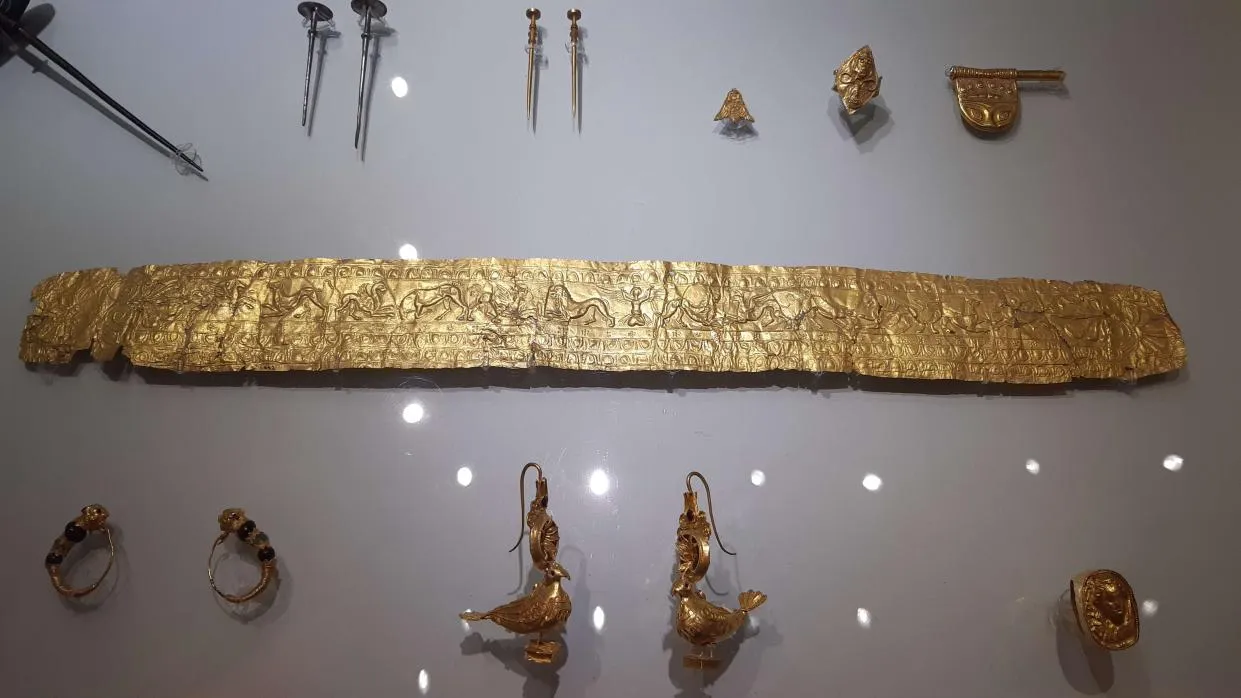
Hellenistic golden belt from Knossos, worn only by the Knossian cavalry units in RIS:
Knossian Hoplites
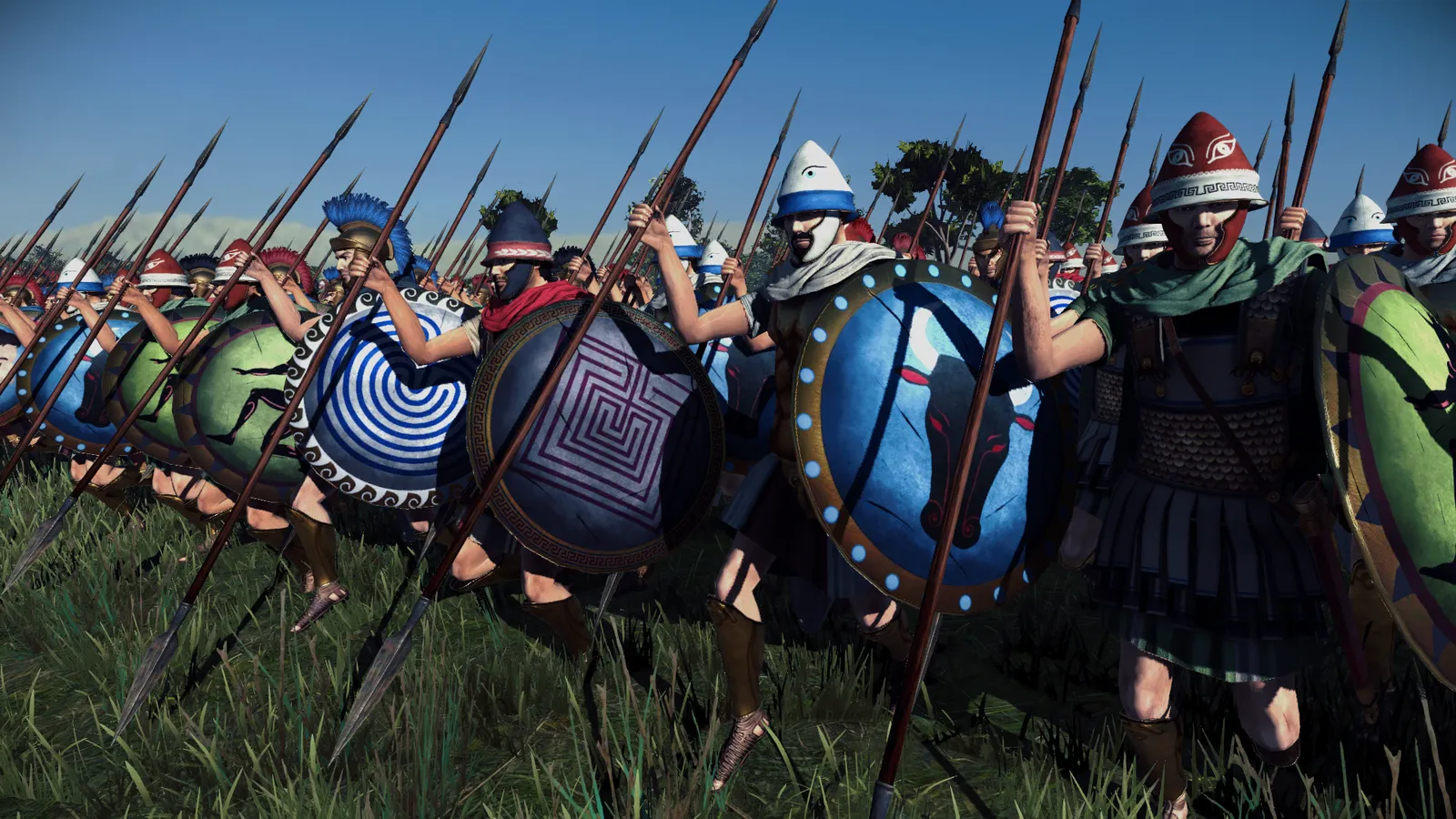
Knossian Hippeis
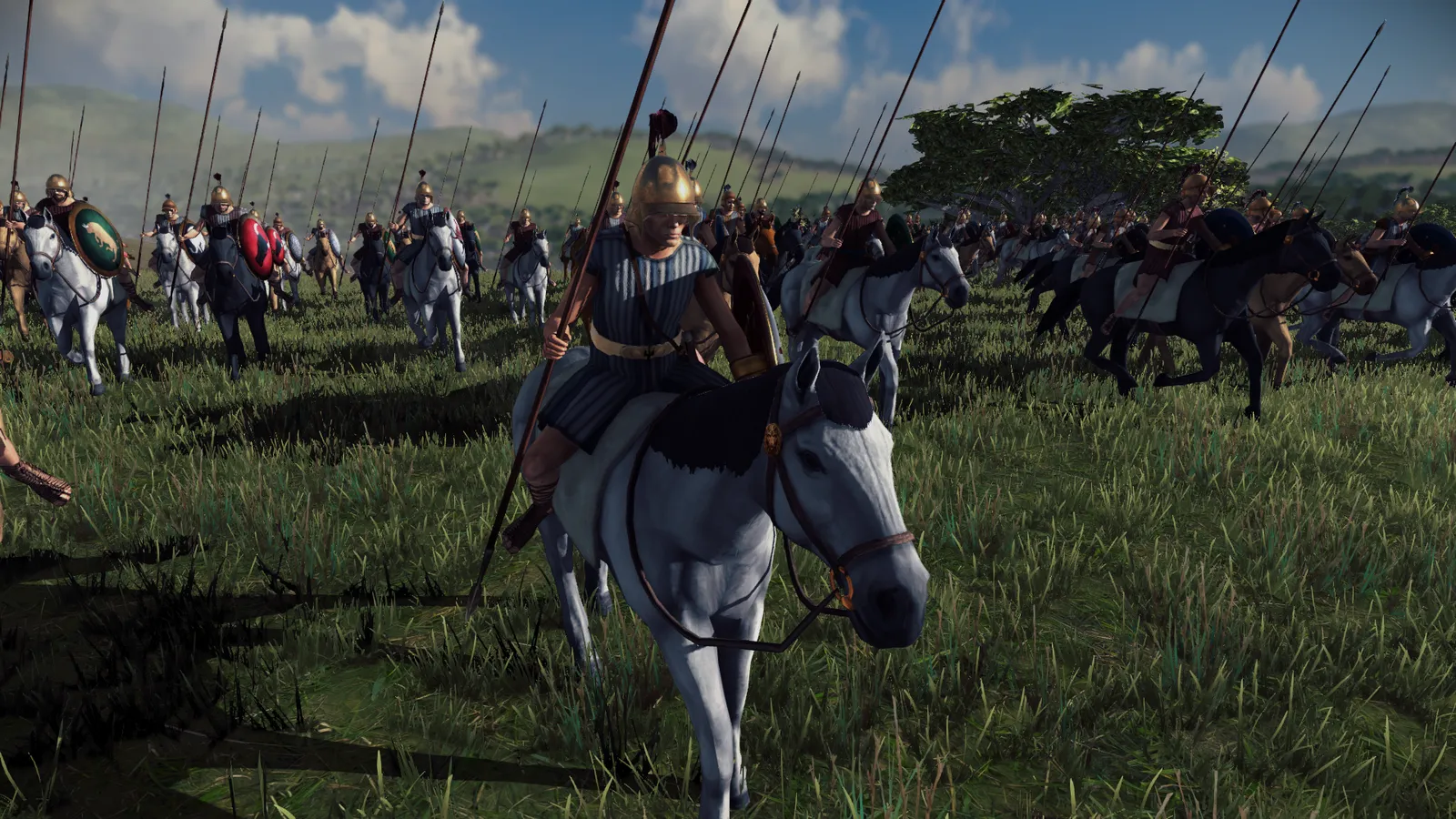
Knossian Hippeis (Late)
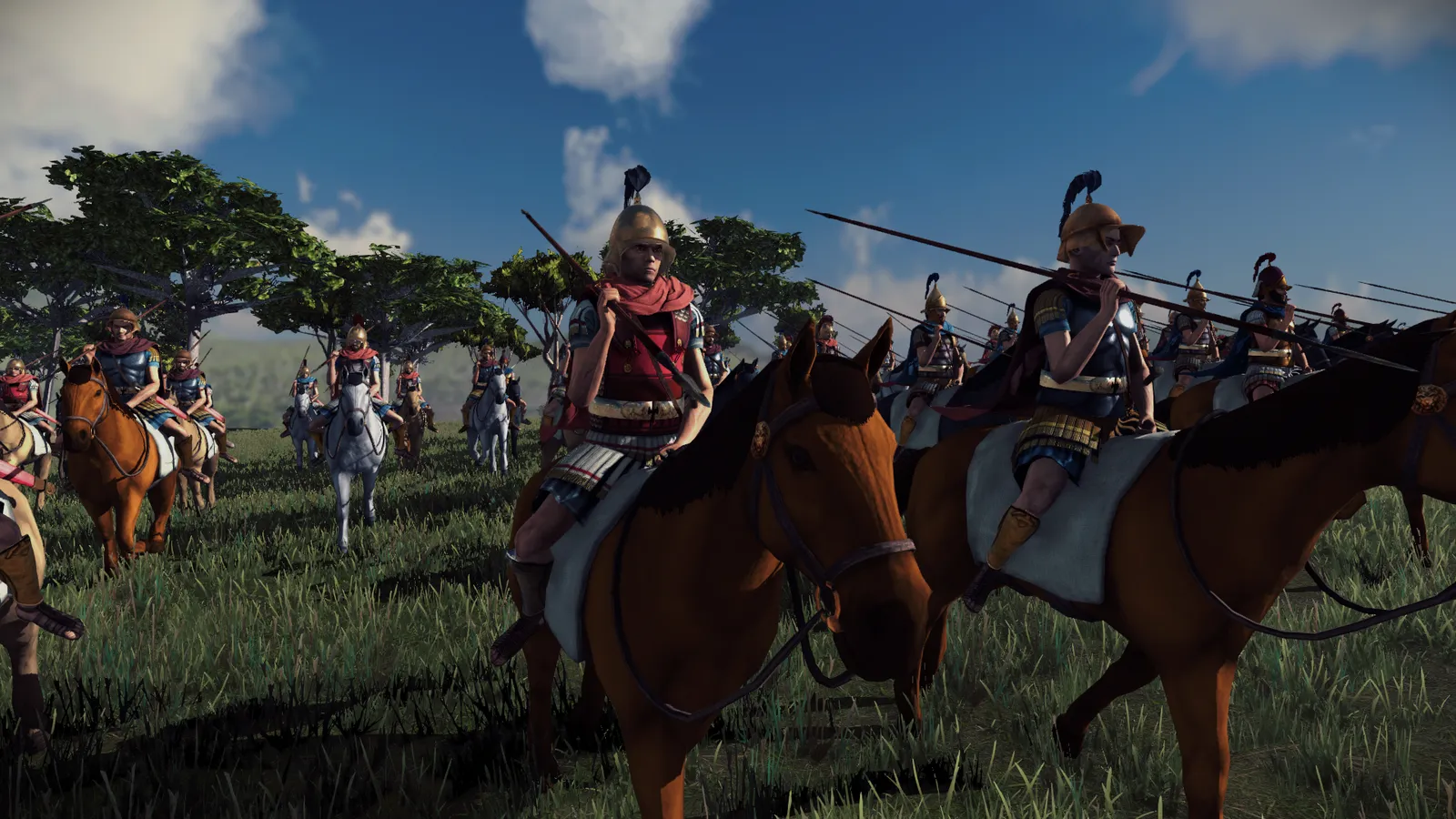
Knossian Aspidophoroi
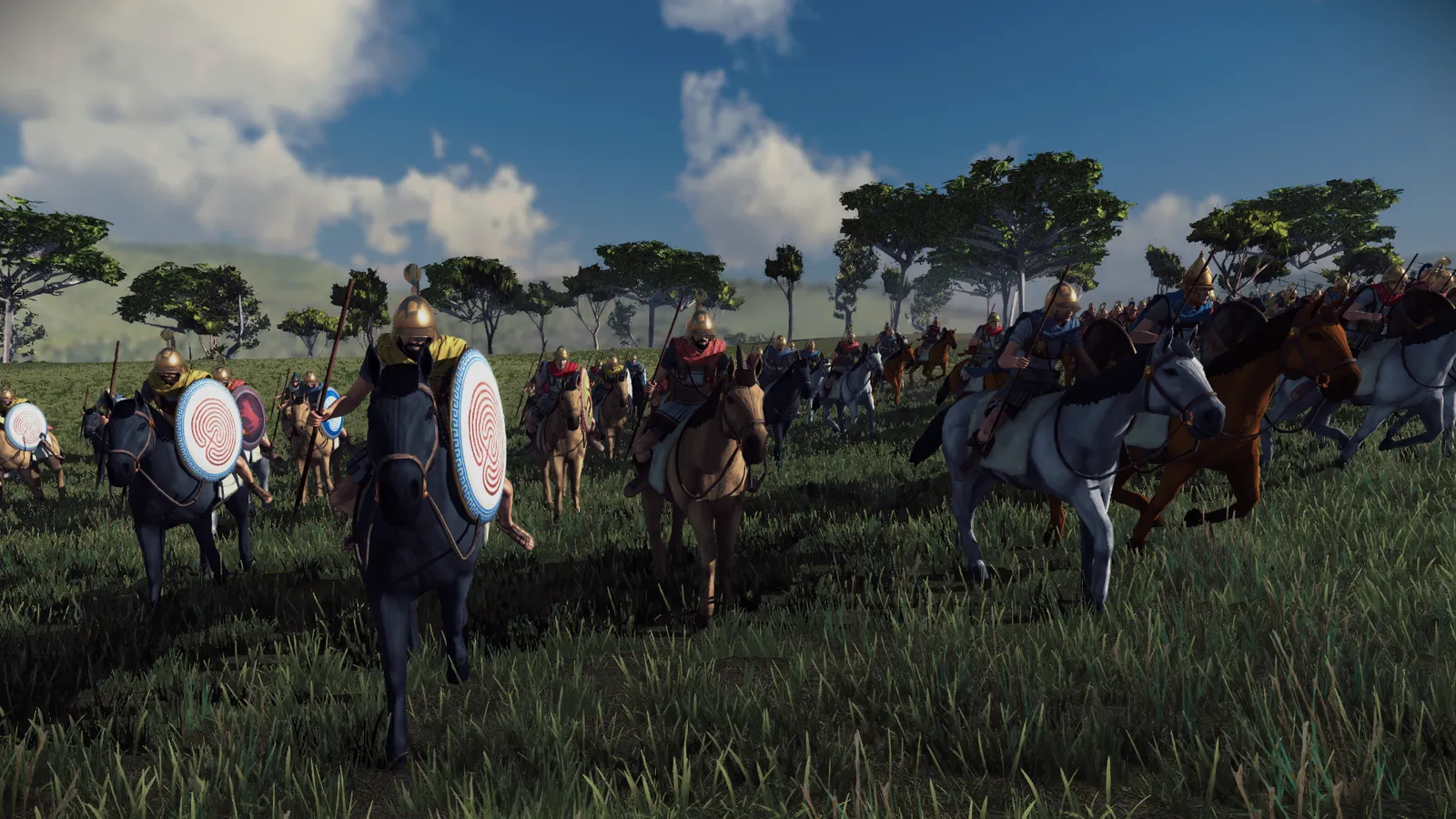
Knossian Agelai
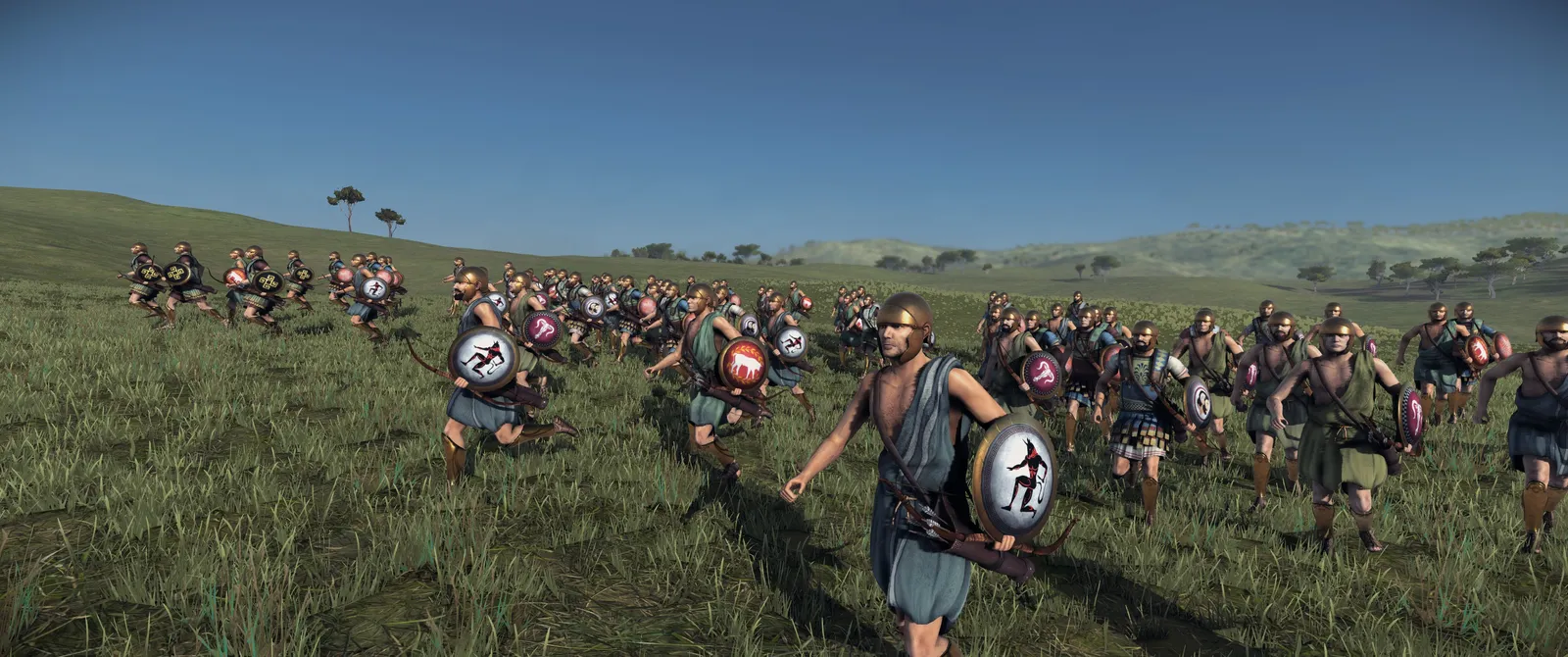
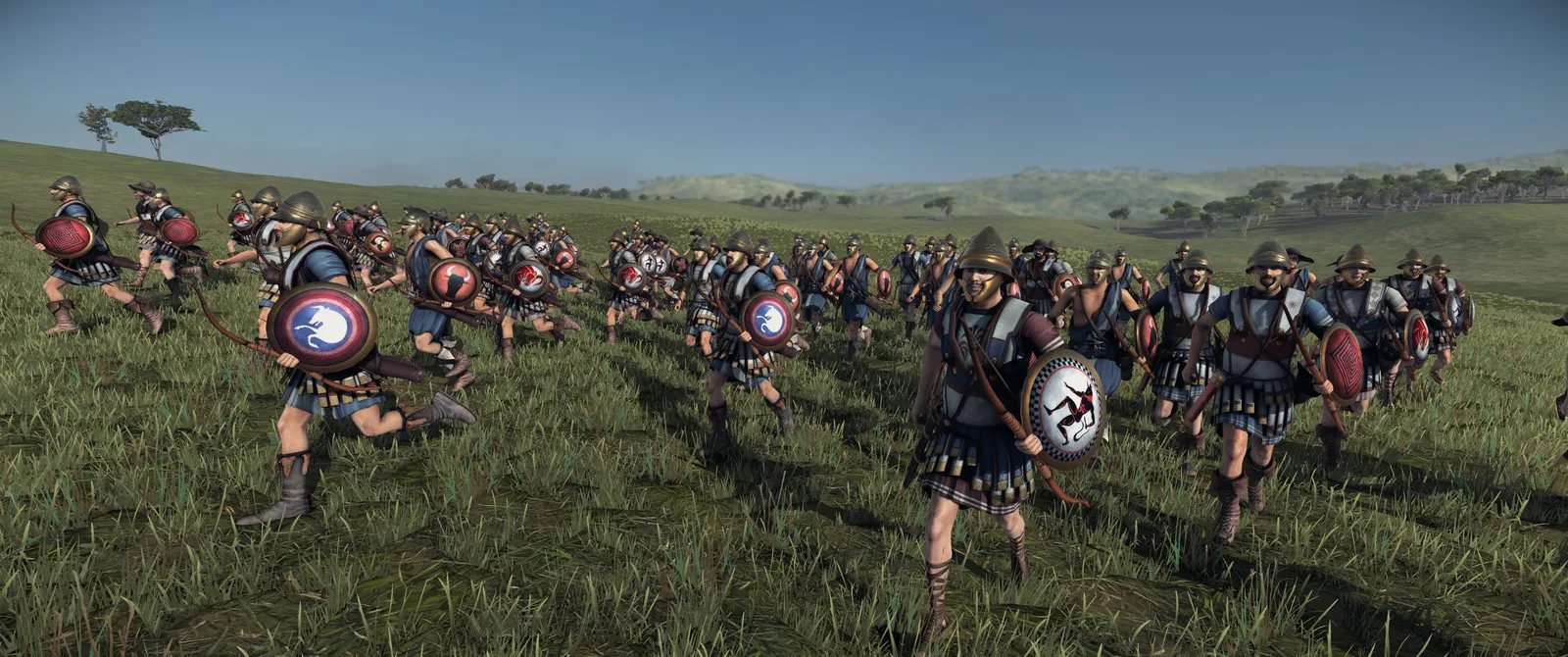
Knossian Archers
With that, we come to the last faction on Crete, made famous by Aldi:
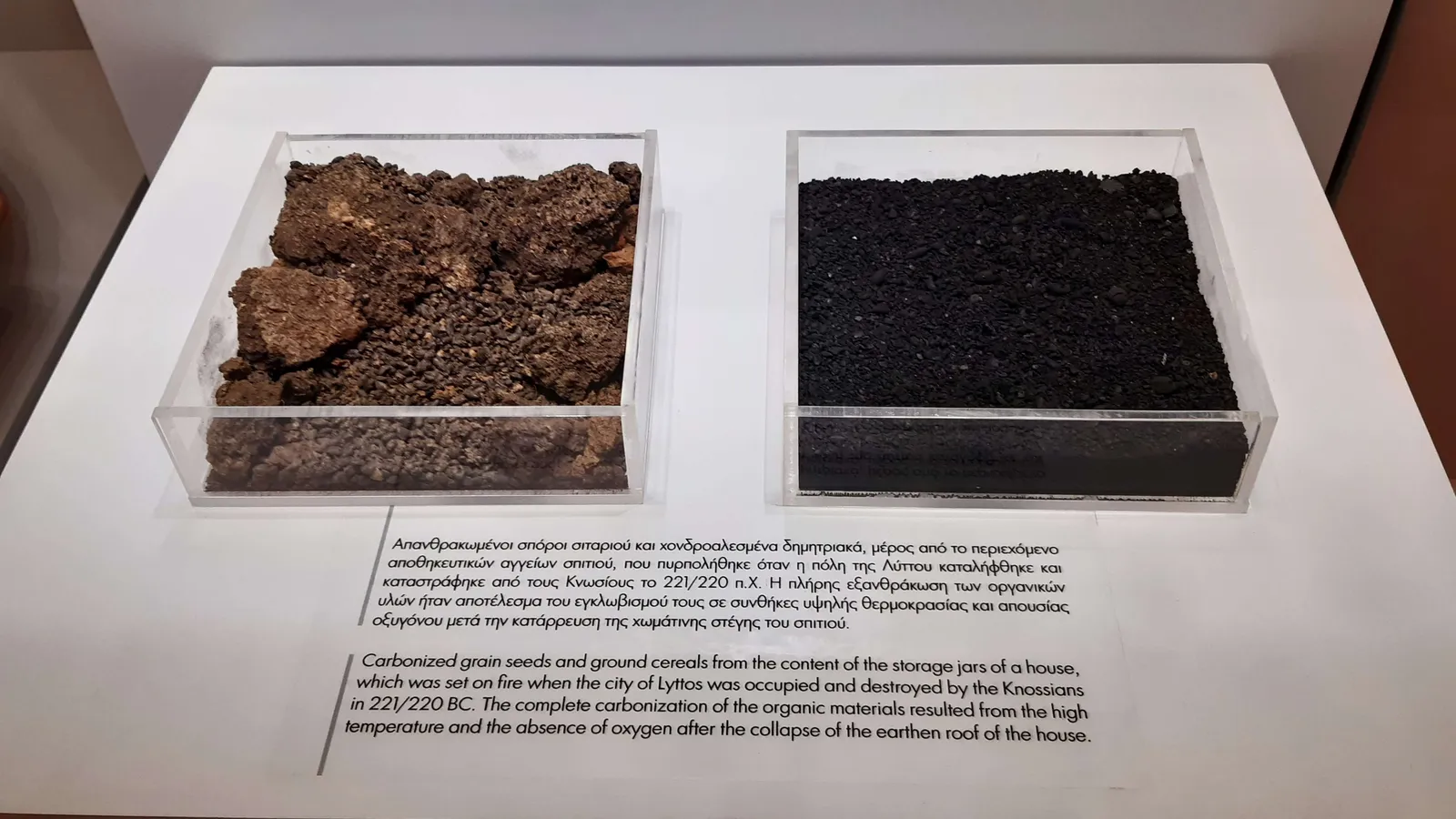
LYTTOS or Lyktos, was a city in the eastern central interior of Crete, where its ruins are still located on a hilltop today - unfortunately you cannot visit them if you do not work there (as an archaeologist) as I found out, but they still looked awesome against the Cretan sunset. Anyway, Polybios claimed Lyttos was the oldest city on Crete, which seems impossible considering Gortyn and Knossos were already older than basically every city in mainland Europe, but it may still be true. Like Kydonia and Gortyn, Lyttos had close relations with Sparta and the Lakedaimonians helped Lyttos to defeat the Phocian Condottiere Phalaikos in 346 BC, who had been hired by Knossos to cause havoc on Crete. And like Kydonia, Knossos and Gortyn, Lyttos may have been part of the Chremonidean League against Antigonid Macedon in the 260s BC, and in 260 BC it concluded a treaty of mutual support with Miletos on Crete (not the famous one). Already by this point, a rapprochement between the two great rivals Gortyn and Knossos may have seemed possible and Lyttos therefore secured an alliance with the Seleucid king Antiochos I, which was later renewed under the reign of his son Antiochos II (r. 261-246 BC). However, by 220 BC the connection with the Seleucids seems to have ended and Lyttos initially faced the rage of Gortyn and Knossos in the Lyttian War (ca. 221/220-216 BC) on its own, being separated from its ally Polyrrhenia in the West and soo deserted by Kydonia. The Lyttian army was mobilised to mount an attack on the enemy coalition, but the Knossians got wind of the plan and marched to Lyttos, which was bereft of defender. Delighted with the sight, the Knossians captured the hated city and burned it to the ground - the ashes of Lyttos can still be seen in the Archaeological Museum in Heraklion today.
Yet, civil strife had broken out in Gortyn, where the younger people favoured a peace with Lyttos and Lappa, a city in the realm of the Gortynians, accordingly offered the Lyttians asylum. From there, the Lyttians sent envoys that convinced the Achaians and Macedonians to intervene. The tide turned and the Lyttians eventually won the war, though to the cost of having to accept Macedonian 'protection' of the island. This would not last for long, however, as it was broken up during the Cretan War (205-200BC) by the victorious Knossians and Rhodians. Lyttos is not mentioned during these years, but re-appears as a powerful city soon after, suggesting that this was the time when they refounded their city. An alliance with Hierapytna to the East secured that border and though Hierapytna was conquered by Knossos soon after, the two eternal rivals seem to have found some common ground, as Strabo reports that they razed the city of Miletos (on Crete, again) to the ground and divided its territory between each other. During the 2nd century BC, Lyttos was an ally of Olous and the Attalids of Pergamon and had fully recovered its old position. In 184 BC, a short war broke out between the three great Cretan cities over two villages on their borders, and a coalition of Gortyn and Lyttos successfully wrestled them from Knossian control. In Rome times, Lyttos remained an important city, and though - as told above - the ruins of the original city are difficult to access today, buildings from the second period survive and the name of Lyttos, as we can see from the Aldi ads, remains connected to Crete, where a village next to the ancient city still wears the name.
The Hellenistic Bouleuterion (Council House) of Lyttos (ca. 2nd century BC)
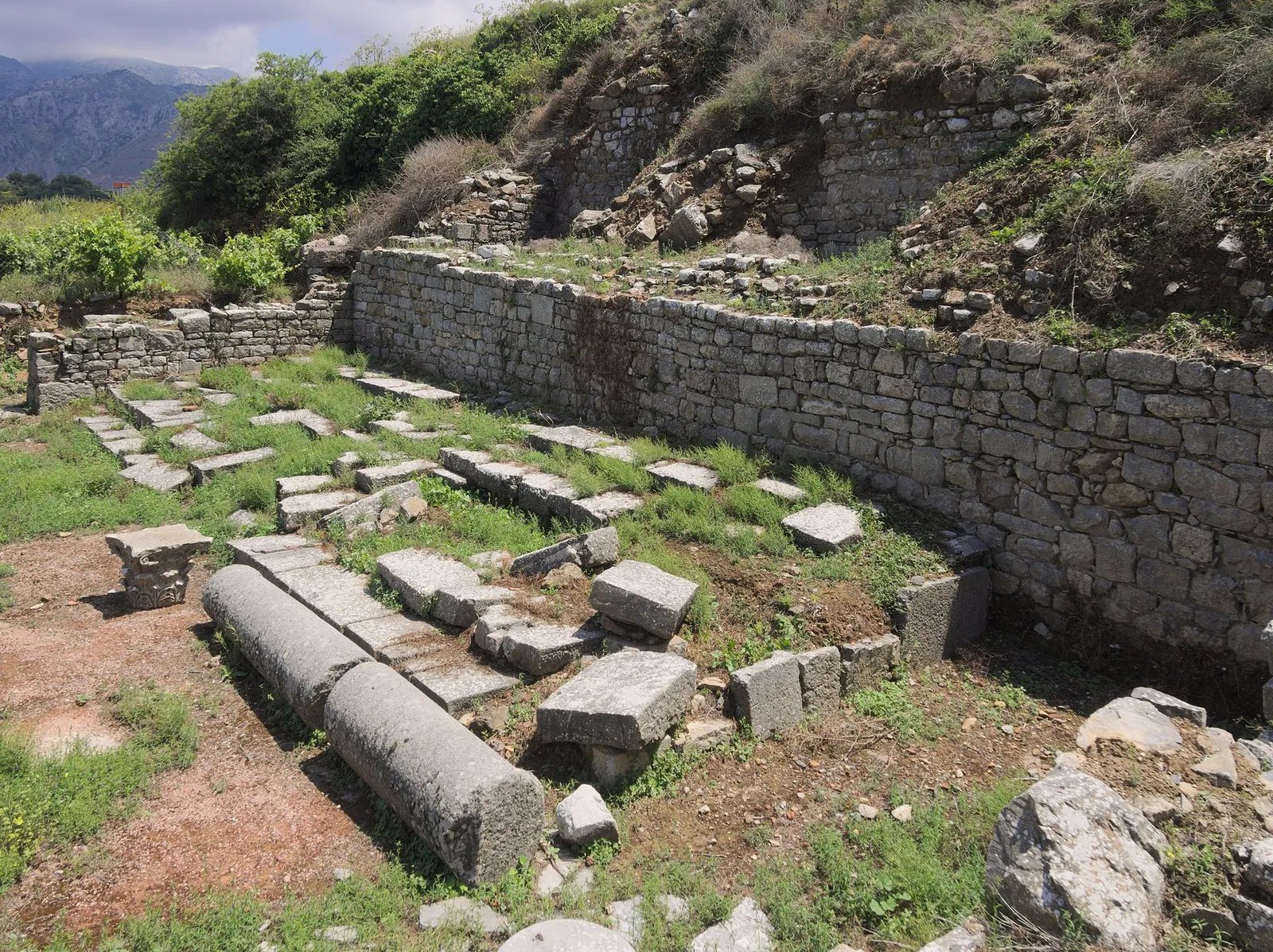
The ashes of Lyttos from the destruction by the Knossians in 220 BC
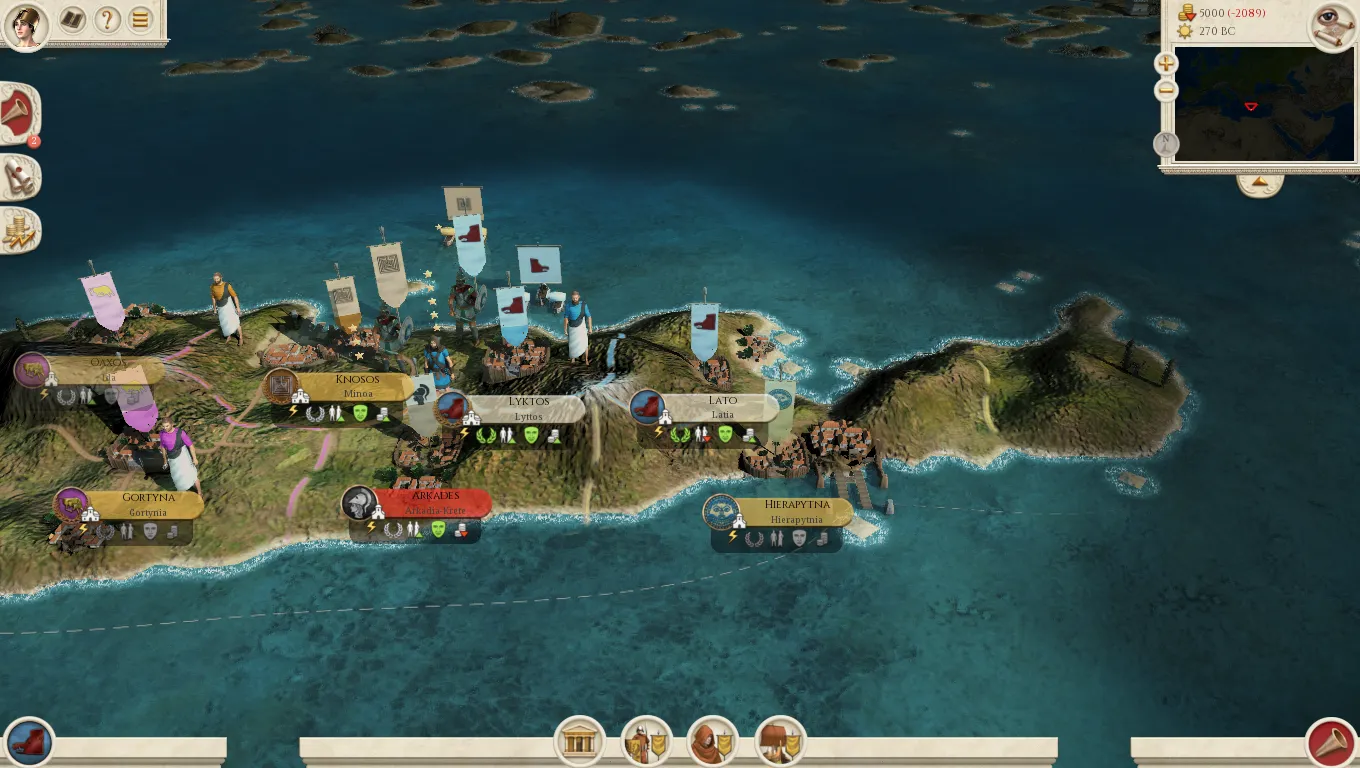
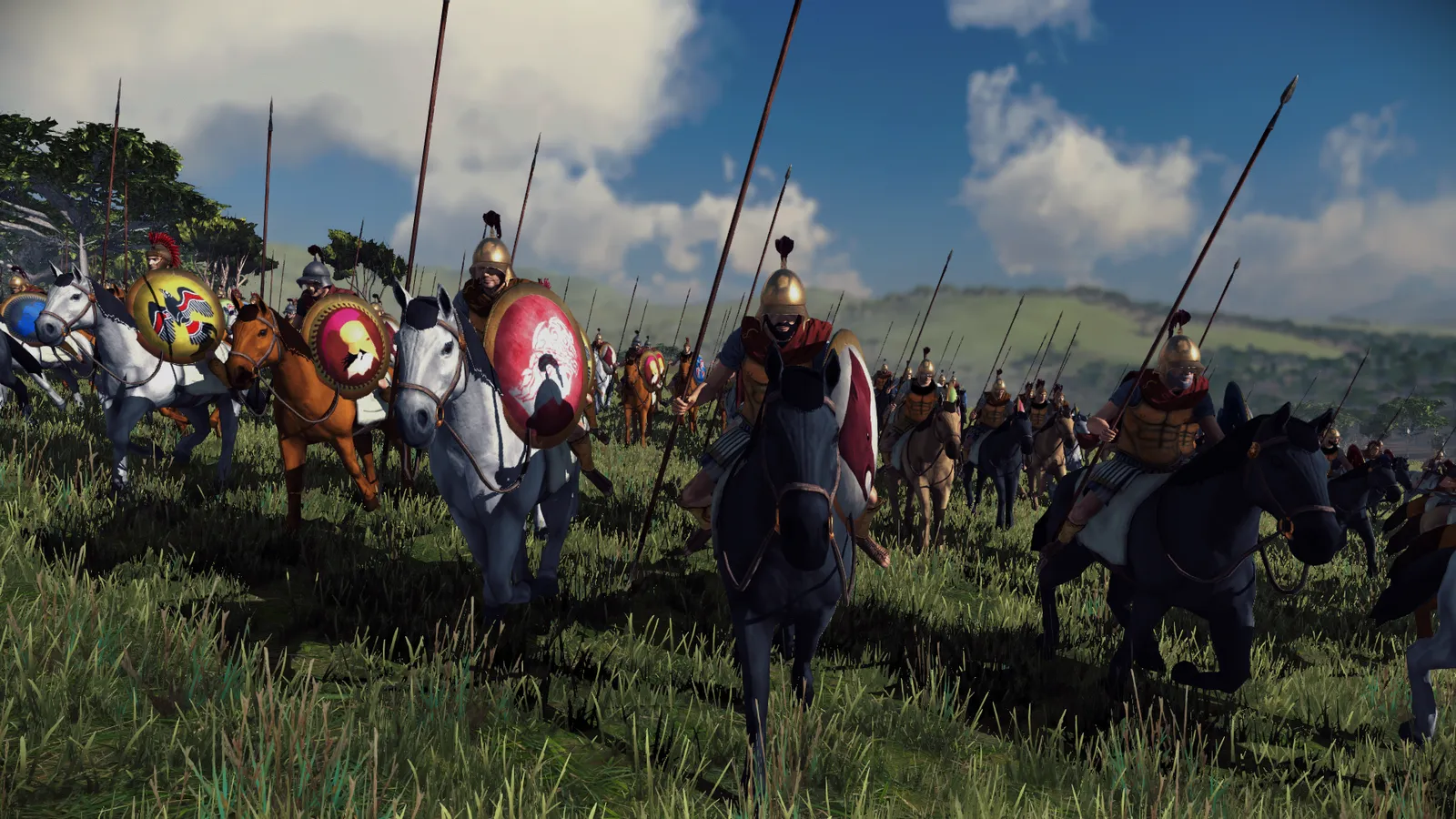
Lyttos receives similar units as the other Cretan factions, but with a different elite cavalry unit, the Hetairoi. An author of the 3rd century BC, Dosiadas of Kydonia (who is also a starting family member of the Kydonia faction in RIS!) wrote a treatise about Lyttian society, possibly in their time as allies in the mid 3rd century BC. He describes the Hetairoi of the Syssitia, who, like the Homoioi at Sparta, share their meals. As Ephoros clarifies that these men of the Hippeis class rode into battle, they are armed similar to some of the Gortynian and Knossian horsemen we know from stelae.
Lyttian Hetairoi
Lyttian Agelai
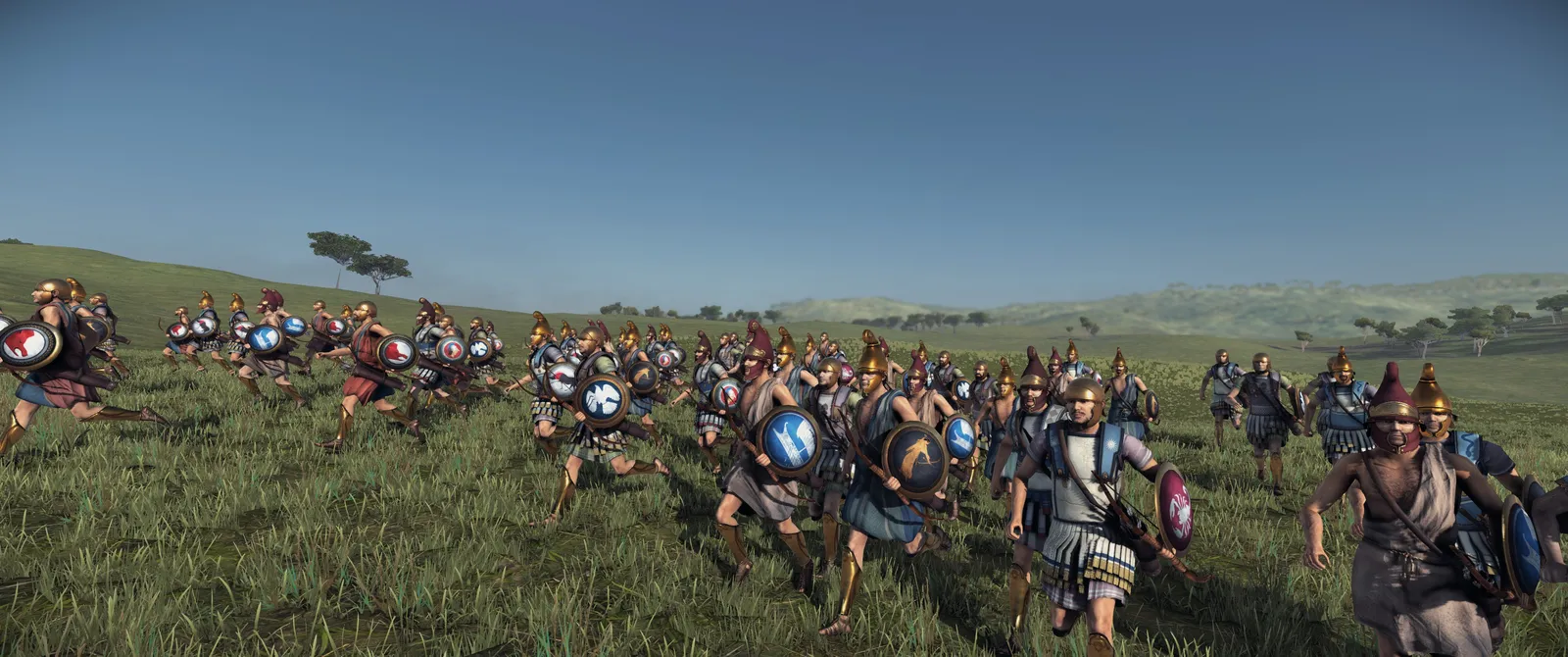
Lyttian Archers
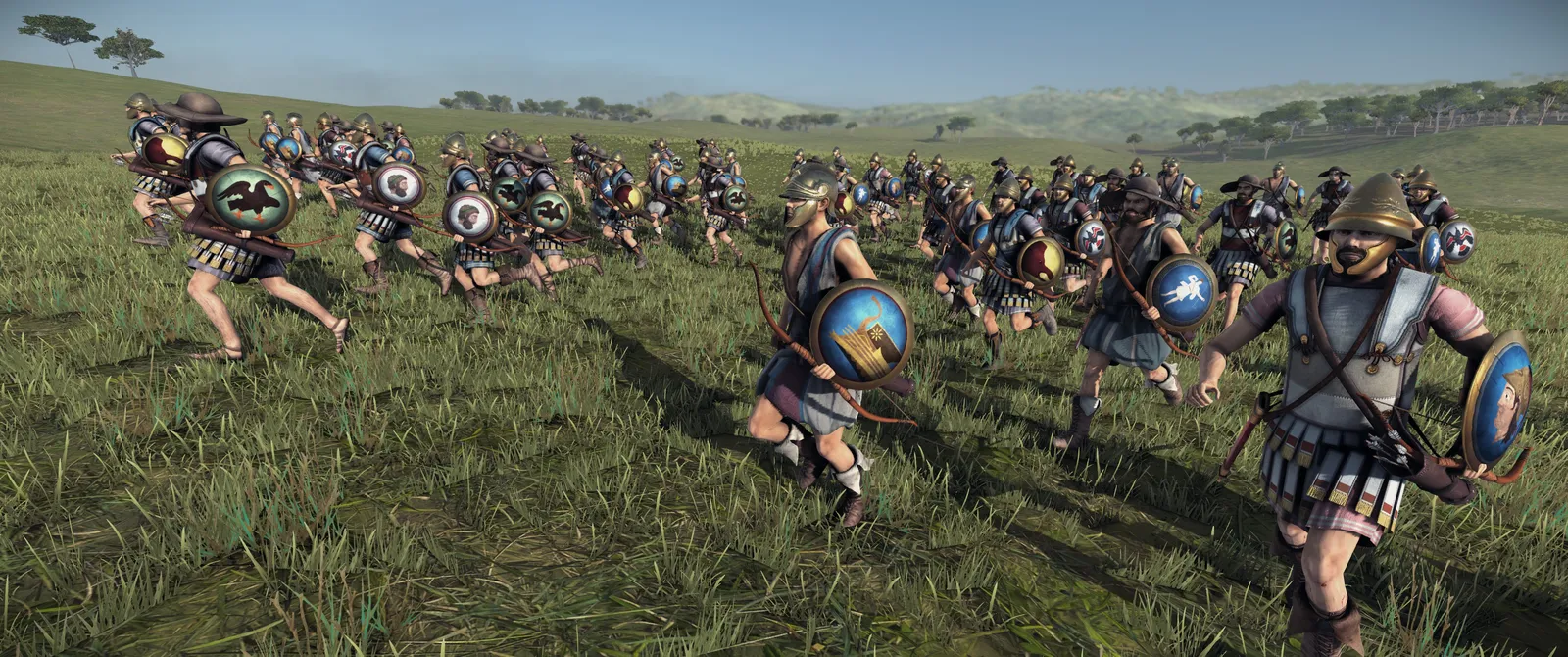
Also, you will find a separate set of generic AoR units on Crete for all of you who want to conquer it or use them as mercenaries in your campaigns!
Cretan Archers
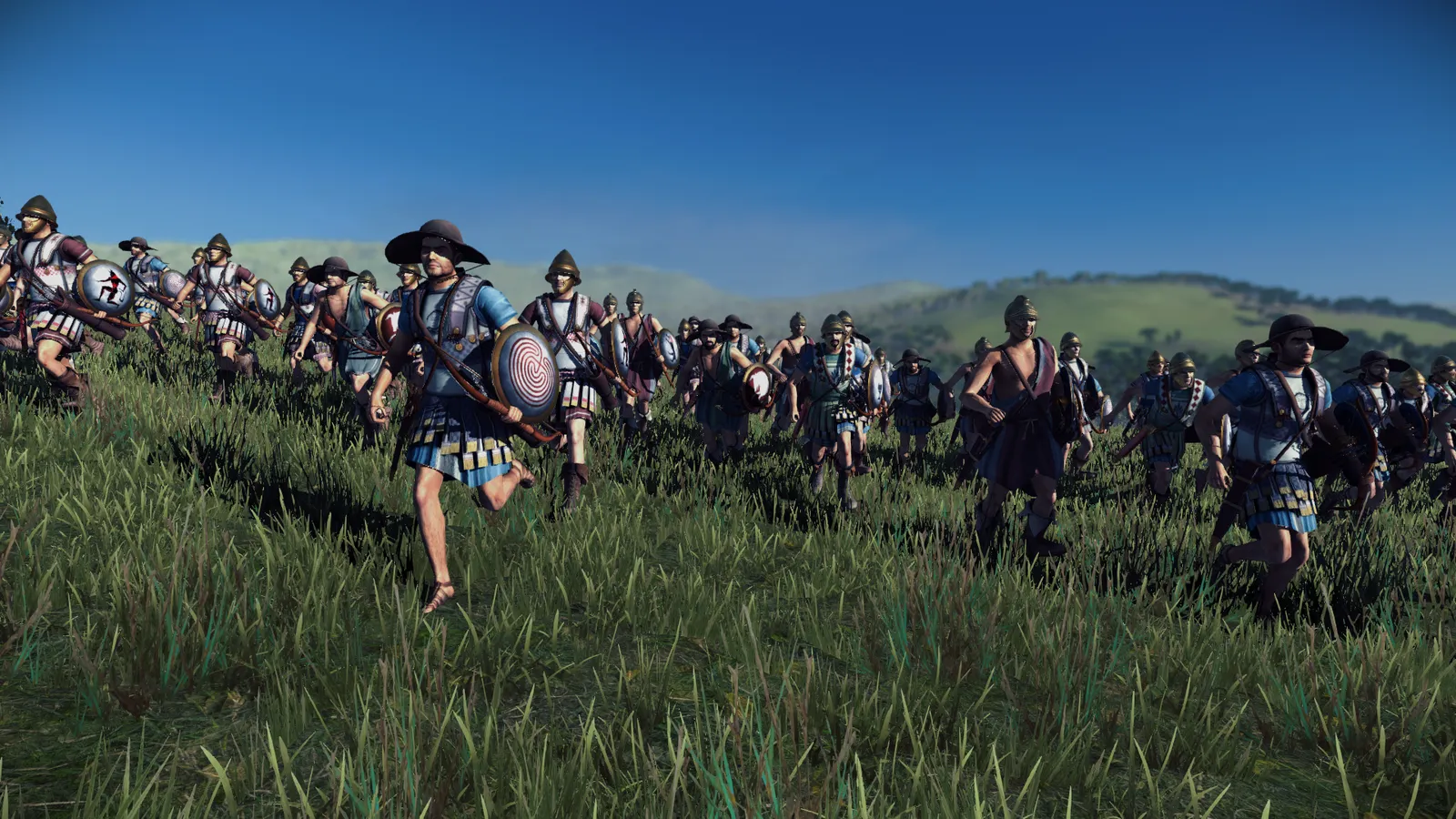
Cretan Slingers
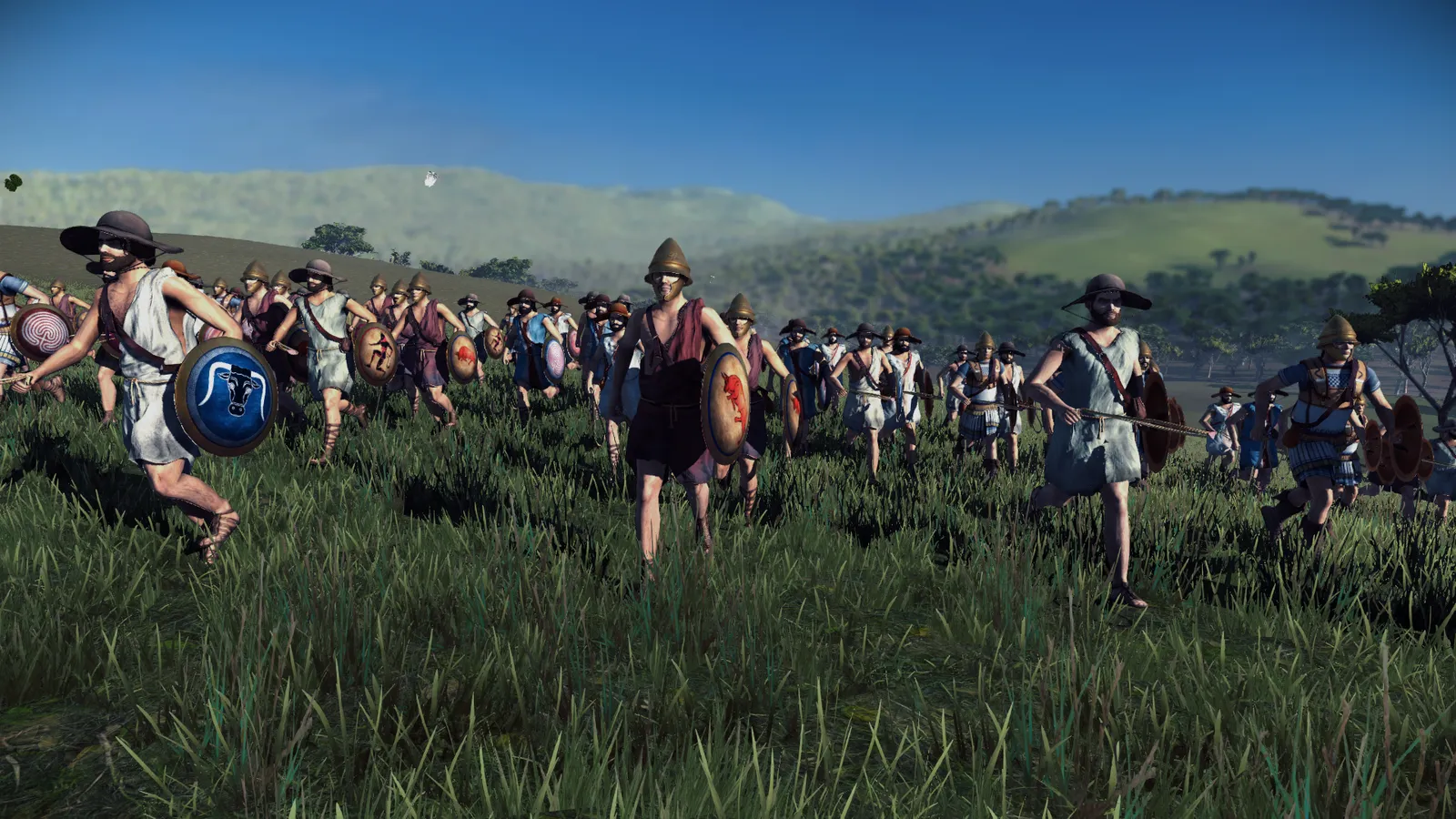
Cretan Hoplites
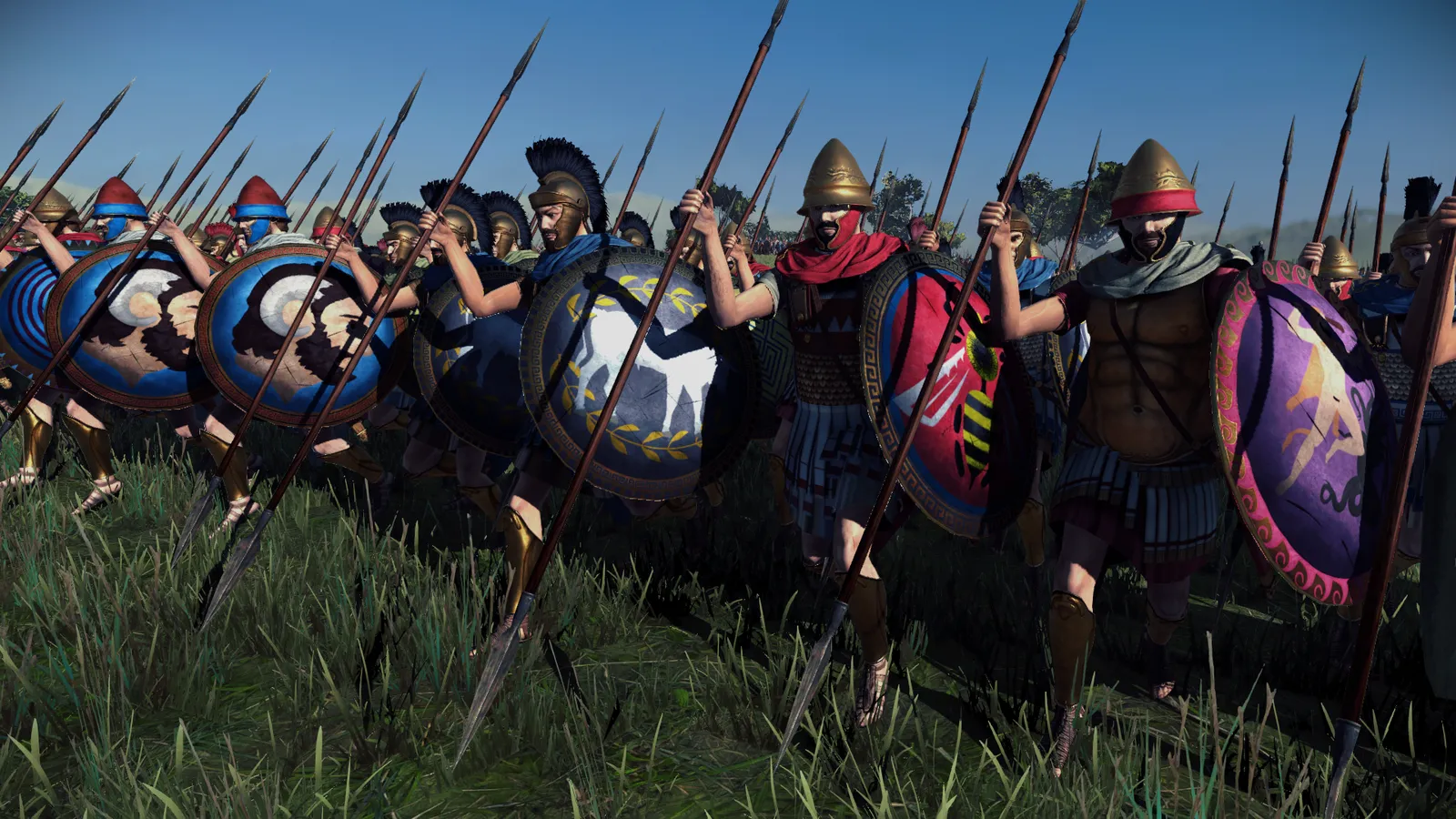
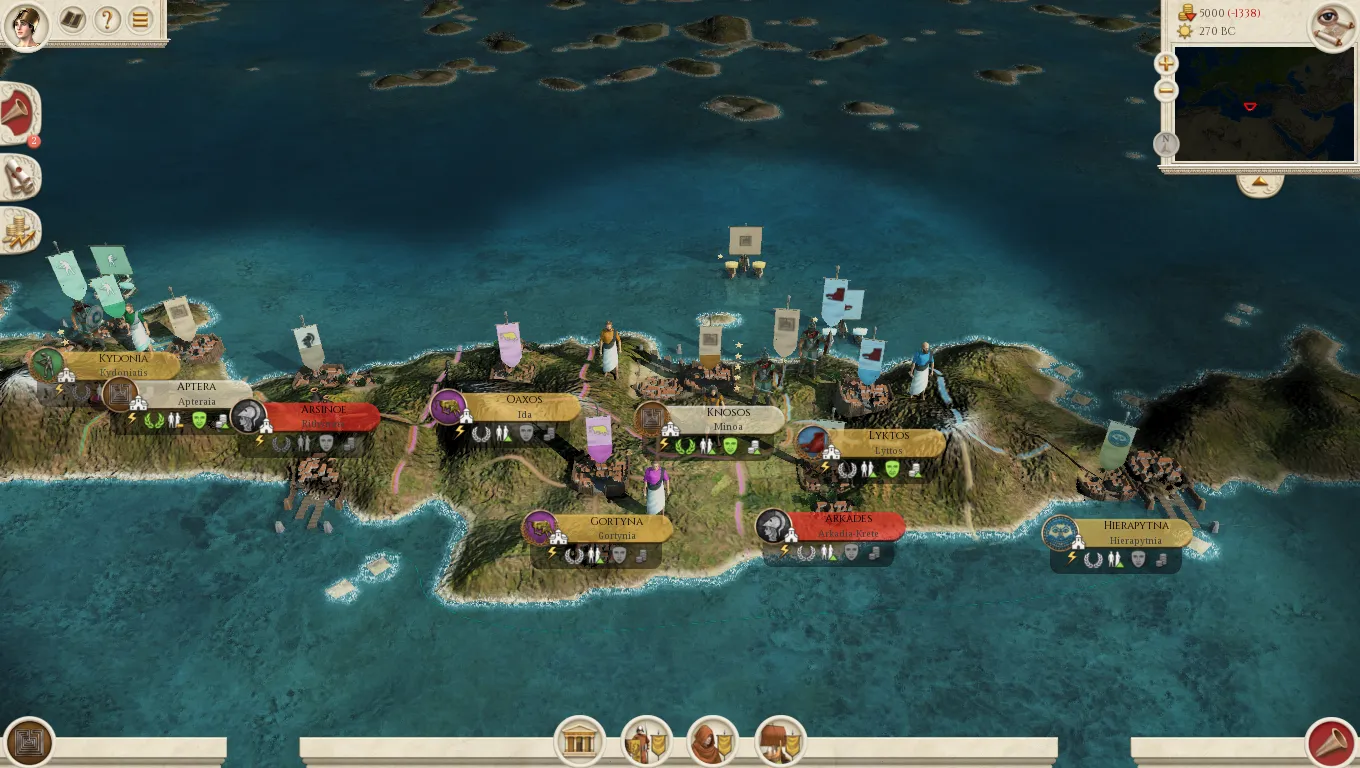
This concludes our DD dedicated to the Islands today! Before, Crete was full of Rebels, and served to be a boring conquest, now we hope that Crete can offer loads of fun, with the current battle royale staged there! We are midway through our DD's this week, and this also just in time to remind you that our very own @Red Zed will have more videos soon in the next edition of RIS Weekends! In these videos, you will learn about more Greek units and a special interview with our lead historian (who wrote all the info in this DD) @Mausolos of Mylasa as they dive into tackle the history and uniqueness of all 29 Minor Greek Factions!
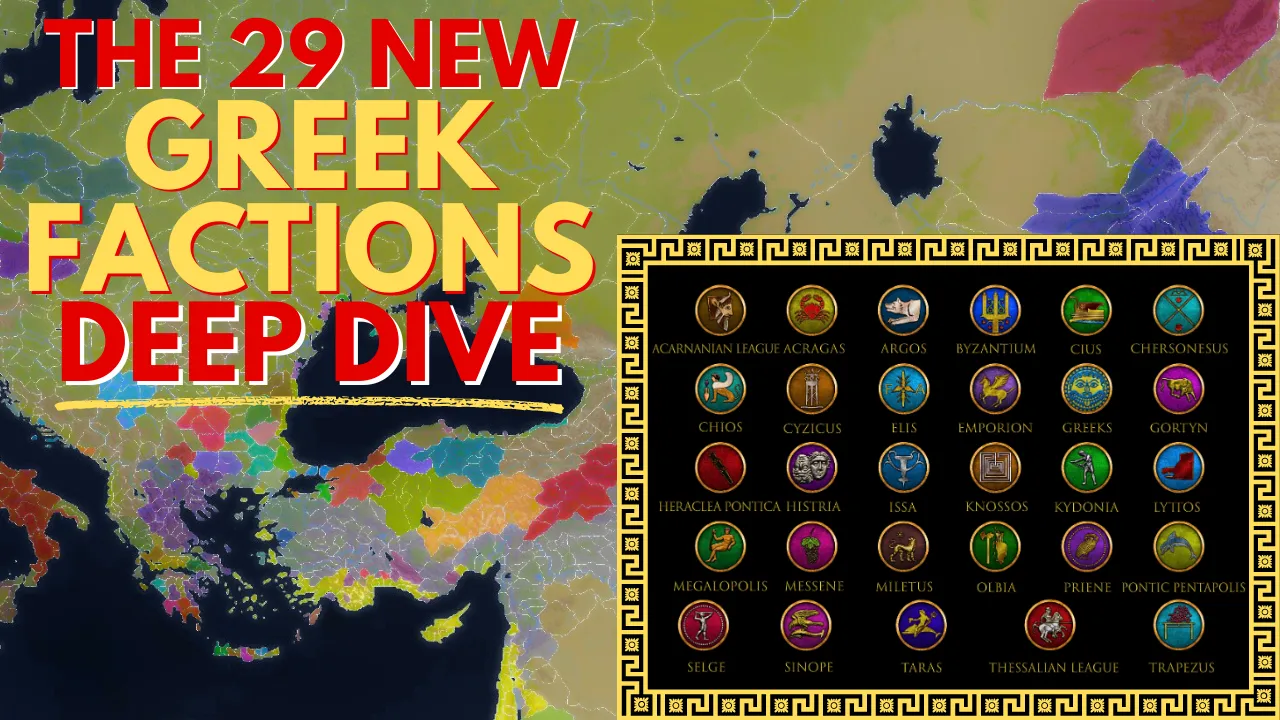
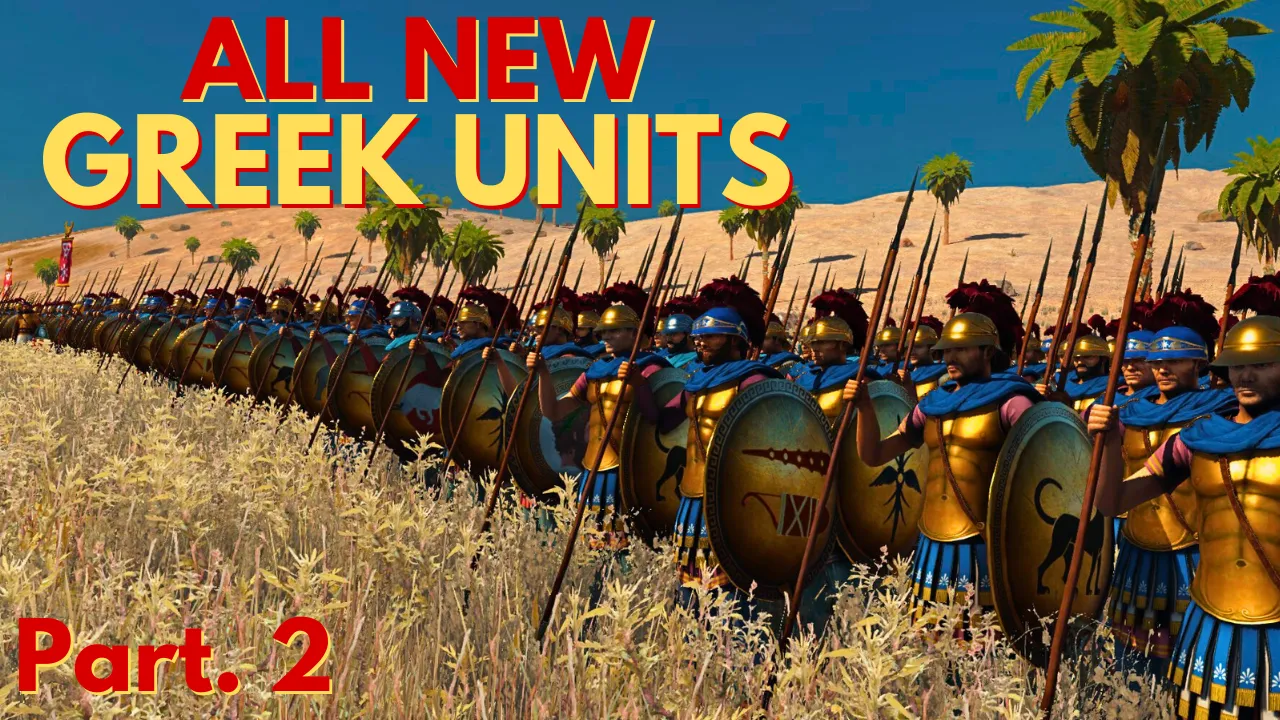
The interview will be tomorrow at 4PM BST, and the Greek Unit showcase at the same time on Sunday. Stay tuned for the next announcements!