Volsinii
2025-11-07 · jottel

Hello everyone, and welcome to our new dev diary! After the Italic faction teaser, a lot of you had already guessed which faction this would be. So today we’ll present to you the Etruscan faction of Volsinii. They are the last remnant of the once great and wealthy Etruscan culture, though not much of that greatness remains at our starting date. The Etrusci, or ‘*Rasenna*’ – as they called themselves according to Dionyios of Halikarnassos – or ’*Tyrrhenoi*’ – as they were called by the Greeks – were one of the most powerful and richest peoples on the Italian peninsula from the Iron Age to the Hellenistic period. The Etruscans had established themselves during the 9th century BC in the fertile valleys south of the Northern Apennines and beyond with their beginnings in the so-called Villanovan culture, named after a site near modern day Bologna north of the Apennines. Elements of the Villanovan culture spread throughout the Italian peninsula influencing other cultures, breaking with previous ones and leading to the foundation of new nucleated settlements on previously uninhabited sites which saw a consistent continuation into the later well-known Etruscan poleis. During the Orientalizing period (ca. 730-580 BC), which mainly took place in the southern cities, contacts to the Greeks on the coast or in Campania, which both Etruscans and Greeks had partly colonized, or on Corsica, where they met the Phoenicians, had led to the import of new goods, riches and technologies. This included the establishment of a new written alphabet, economic and urban growth, trading and exchange of cultural customs like banqueting or ritualistic consumption of wine as well as adoption of sports, games, religious and musical traditions. Colourful tomb paintings, meticulously carved stone urns and filigree metal objects give us hints about their impressive craftsmanship and culture though most of it is still a mystery to us.
The Orientalizing Period is also usually seen as the height of Etruscan civilization, where powerful Etruscan kings ruled over wealthy cities and commanded vast hoplite-like armies clad in bronze. One of the most significant kings – at least to our ancient Roman authors – was Lars Porsenna, the king of Clusium. He had responded to the supplication of Tarquinius Superbus, the exiled king of Rome who had been evicted from his city during the revolution of 509 BC (Despite the name, the Tarquinians were descendants of Corinthian immigrants who had moved to the city of Tarquinii but were technically not Etruscans themselves). Porsenna, seeking to either help Tarquinius or expand his own power might have even conquered Rome itself, but after that his expansion was stopped by the Latins under the leadership of the city Aricia and he had to abandon his gains. The young Roman Republic, now freed but with her grip over Latium weakened, had to subsequently regain her hegemony over the Latins in the following years.
According to our Greco-Roman authors, Etruria was mainly made up of twelve important poleis and even though we know the names of most major Etruscan settlements, it's not entirely clear which ones were the great “Twelve”. Among the most significant were Arretrium, Caere, Clusium, Cortona, Perusia, Tarquinii, Veii, Volaterrae, Vulci and of course Volsinii. The expansion of Samnites into Etruscan Campania and their capture of Capua, Nola, Neapolis and other Campanian cities in 423 BC, as well as the invasion of the Celts into Etruria at the start of the 4th century BC slowly weakened the political and economic strength of the Etruscans. Great changes probably occurred in the shadows of our sources during the 5th century BC. Though the governments of the various Etruscan poleis are shrouded in mystery at that time, by the end of the century most of them must have slowly shifted from monarchies to a system perhaps not dissimilar to the Roman Republic. As Rome started her lengthy siege of her biggest Etruscan rival Veii in 406 BC, the latter out of frustration with her own magistrates chose to elect a king in 403 BC. This desperate step apparently led to the shunning of Veii by the other Etruscan cities during the diplomatic meeting at the pan-Etruscan shrine at Voltumnus – the Fanum Voltumnae – except for her most immediate neighbours Capena and the Falisci. The above-mentioned shrine was likely located in the territory of Volsinii and might have been a centre for political and religious engagement between the Etruscan cities though they rarely if ever cooperated as a single federation. Even when Rome was busy in Samnium in 311 BC and most Etruscan cities had joined together to fight against Rome, one of the arguably most powerful Etruscan cities Arretium stayed out of the affair.
Thus, in a great number of engagements during the 4th and early 3rd centuries BC, Rome reduced the resistance of individual Etruscan cities bit by bit until even their combined efforts couldn’t stop Roman expansion anymore. This is also the context where we explicitly hear of Volsinii for the first time, and major campaigns involving them were conducted in 311, 308, 294 and 280 BC. After the retreat of Pyrrhos of Epeiros from Italy in 272 BC, Rome was unquestionably the only hegemon of Italy and spent the next 6 years simply cleaning up the remaining Italic tribes that were not yet included in her unequal alliance system. After 280 BC, all Etruscan poleis – except those that were fully conquered or colonized, like Veii – retained their own internal political autonomy, though by absorbing the aristocracy of the Etruscan cities, Rome kept anti-Roman sentiment of the population under control. After having been made into one of the Roman ’socii’, Volsinii started a process of freeing her own slave population, integrating them in society and involving them in state matters, even electing some of them as senators. Though later pro-Roman authors likely exaggerated the “depravity” of this decision, they are in agreement that a sort of revolution of this newly liberated slave population took place and led to the eviction of the former Volsinian aristocracy that was closely connected to Rome. Thus, in the same year of the beginning of the First Punic War, Rome successfully besieged the city for almost a year, massacred the (former slave) citizenry and completely refounded Volsinii at a new location with the members of the old citizenry and aristocracy. The formerly richest Etruscan city was heavily plundered, and Rome looted around 2.000 statues, presumably from the many Volsinian temples. The new Volsinii at Lake Bolsena became very prosperous under Roman rule, and the Fanum Voltumnae still retained its function as a cultural meeting-place for the Etruscans.
Of course, we should say a few words on their new and unique roster! Aesthetically, the Etruscans are well known for being the “hoplites” of Italy, and for good reason. Greek influence played a huge role in the afore mentioned Orientalizing Period of Etruscan history. Paintings like in the Giglioli tomb or on the famous Amazon sarcophagus of Tarquinia show colourful linothorakes, shining bronze breastplates and helmets, painted aspis-type shields and depict heroic battles of Greeks against Amazons or the legendary Seven against Thebes – one of the most popular motifs in Etruscan art. Art pieces like the famous Certosa situla of Bologna of the 7th – 6th century BC give us the impression of a very stratified military, reflecting the kind of reforms that the legendary king Servius Tullius implemented in Rome, where the men of military age are grouped into upper classes of cavalry and hoplite-like warriors and lower classes armed as thureophoroi (strongly suggesting that the thureos, the famous ‘Celtic shield’, already existed in Italy quite early on).
The wars against the Romans and the increasing movement of Celts into the Po-valley and from there into Etruria must have had significant effects on the Etruscan military, though our sources are largely silent on that – as they are on Etruria in general. The most commonly found and depicted helmet of the 4th – 3rd century BC is the so-called Montefortino-type, a simple bowl-like helmet with a projecting peak that is named after a site near Ancona, where 12 helmets of this type were found in 1899. Though likely of Celtic origin, it became *the* iconic Roman helmet for 400 years and varieties of it stay in use even well into the Principate. Its simple manufacture from a single sheet of metal with no individual fitting to the head shape, neck, ears and only hinged cheek-pieces instead of ones fitted to the wearer’s face, made it much cheaper to produce than most other helmet types, while the protrusion on top allowed for at least some basic decoration. You will see this helmet on basically all of our Etruscan unit as several dozen of this helmet type have been found on the territory of ancient Etruria and depicted on tomb reliefs and paintings like among the numerous equipment pieces carved into the walls of the Banditaccia necropolis of Cerveteri, dated to the end of the 4th century BC. The second item deviating from the typical hoplite panoply but used by almost every unit is the thureos. As mentioned before, depictions of it can be found in Italy and Etruria in particular quite early on. Though it got largely overshadowed by the aspis in the Classical Period, it received a boost in popularity, as the conflicts with the Romans and Celts increased and the Etruscan poleis had to rely more on levying and equipping large parts of the population. Items as easily produced as thureos shields, Montefortino helmets, spears and javelins became main elements of the Hellenistic Etruscan military.
Even after the Roman conquest, Etruria arguably remained an important production centre for the Roman military. Though perhaps slightly influenced by the crisis of the Second Punic War, the Etruscan cities nonetheless provided most of the grain, timber and sails for Scipio Africanus’ expedition fleet to Africa in 205 BC, Arretium alone producing 3.000 scuta/thureoi, as many helmets, 50.000 pila, gaesa and hastae and a multitude of spades, sickles and other tools (Liv. XXVIII.45.16).
Thus, the Etruscan roster contains the following units.
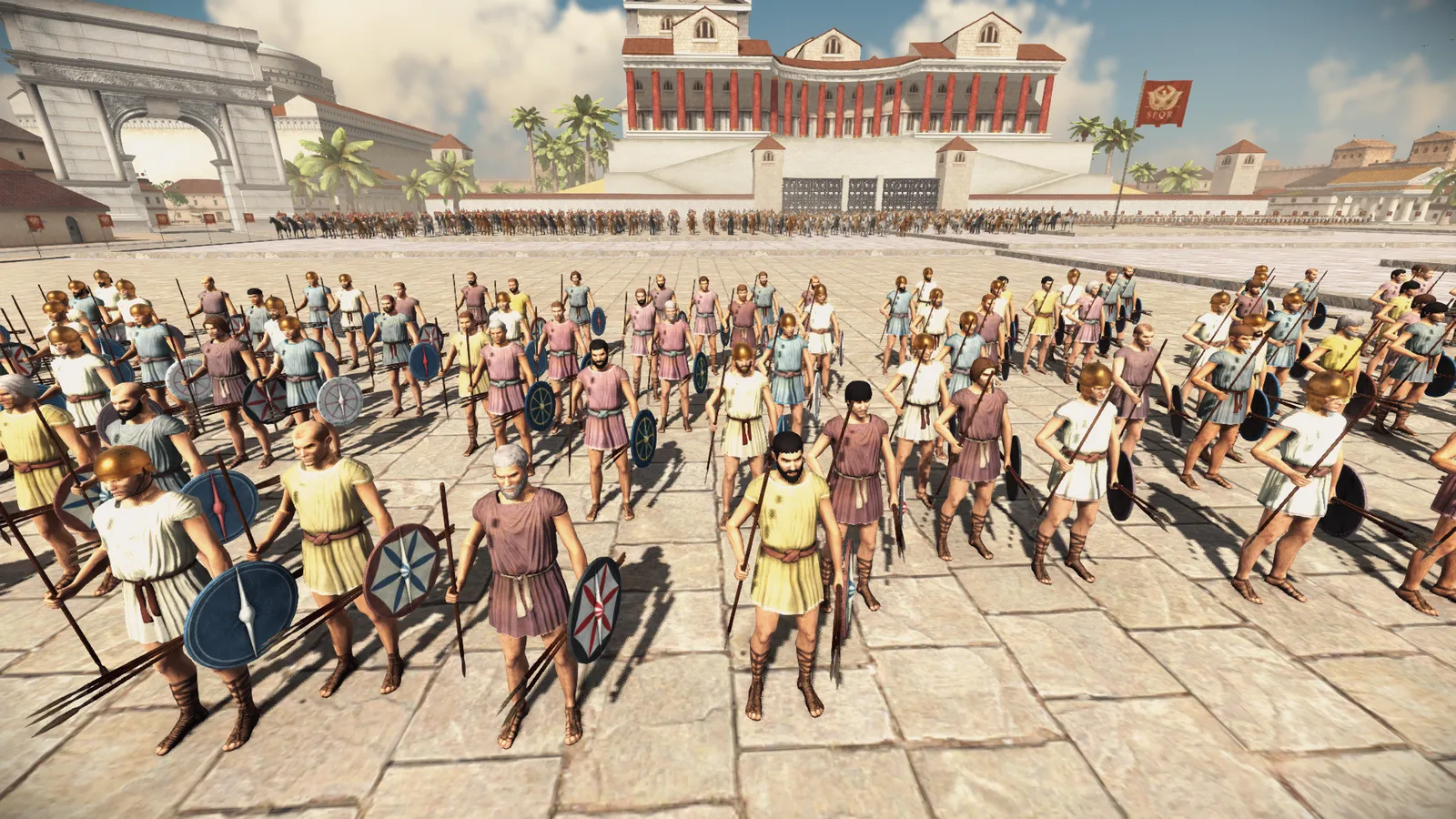
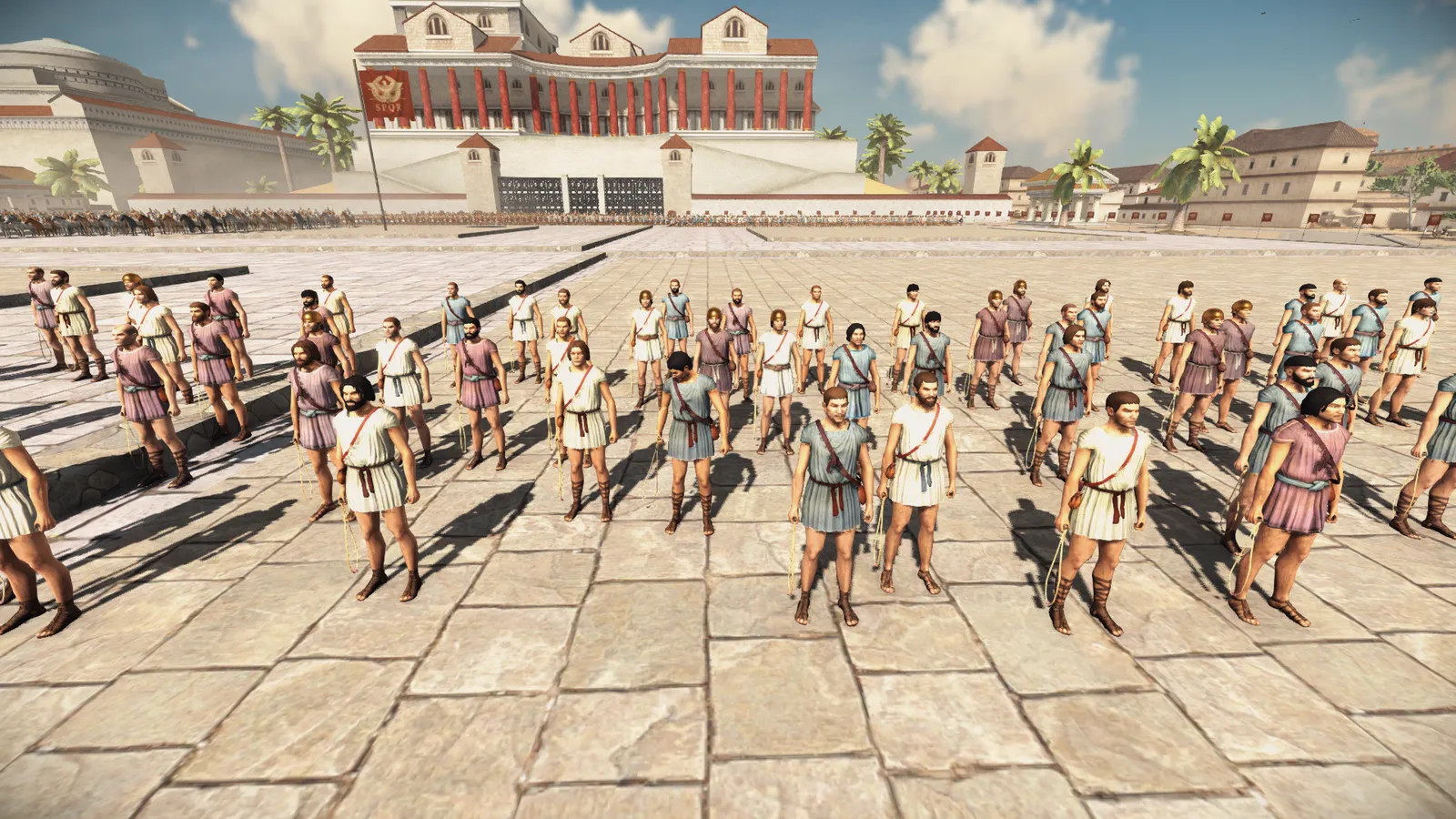
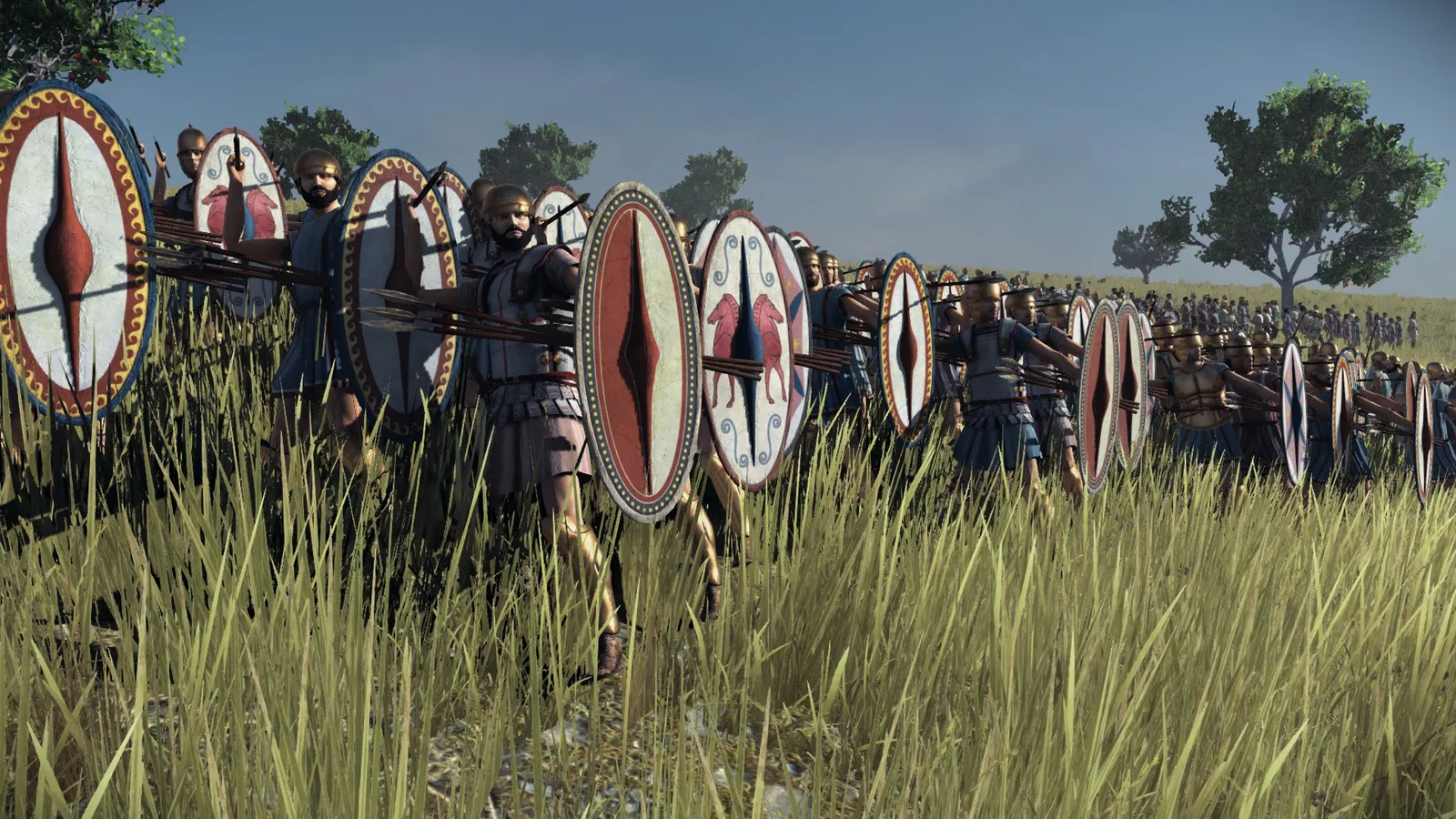
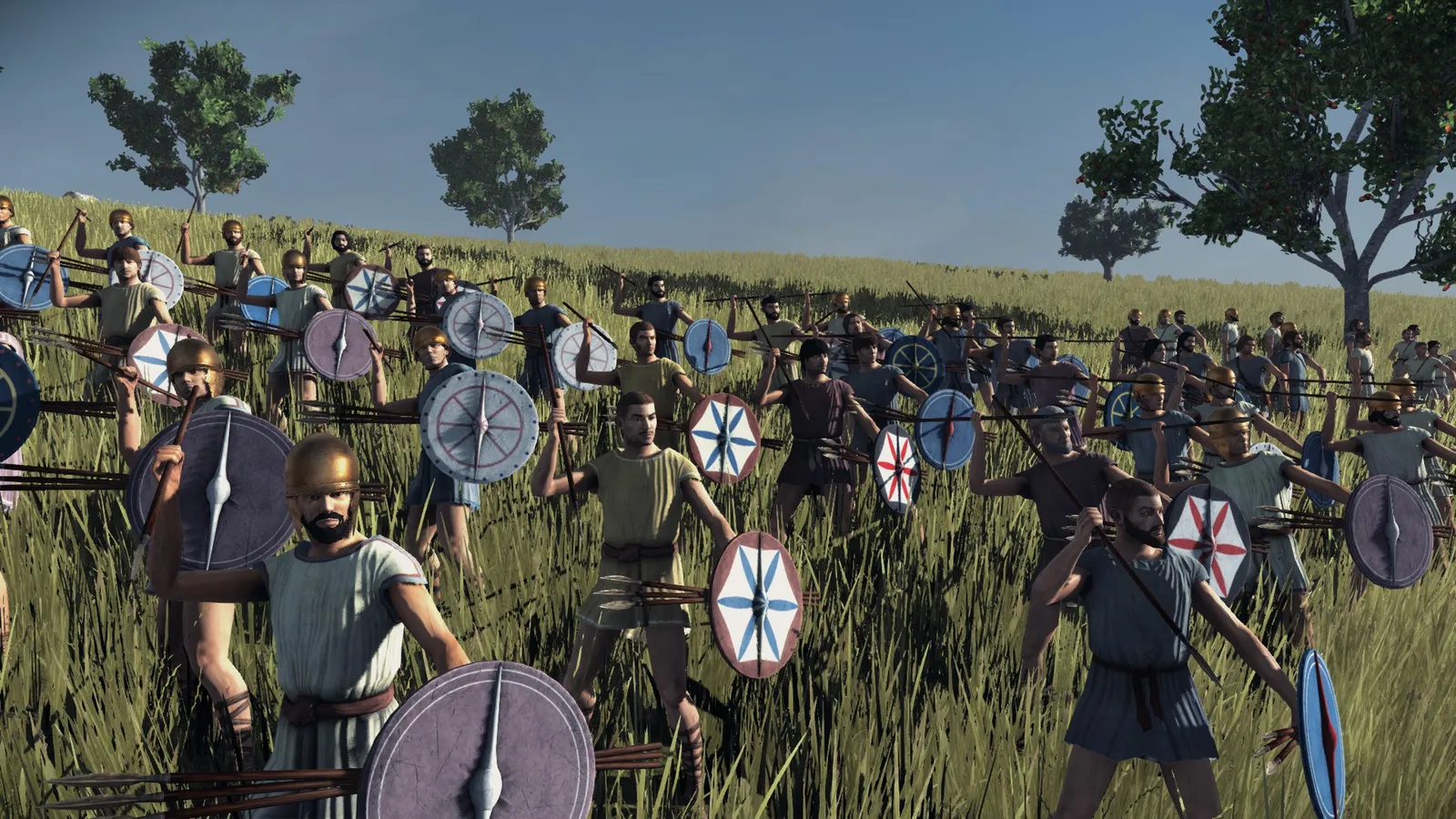
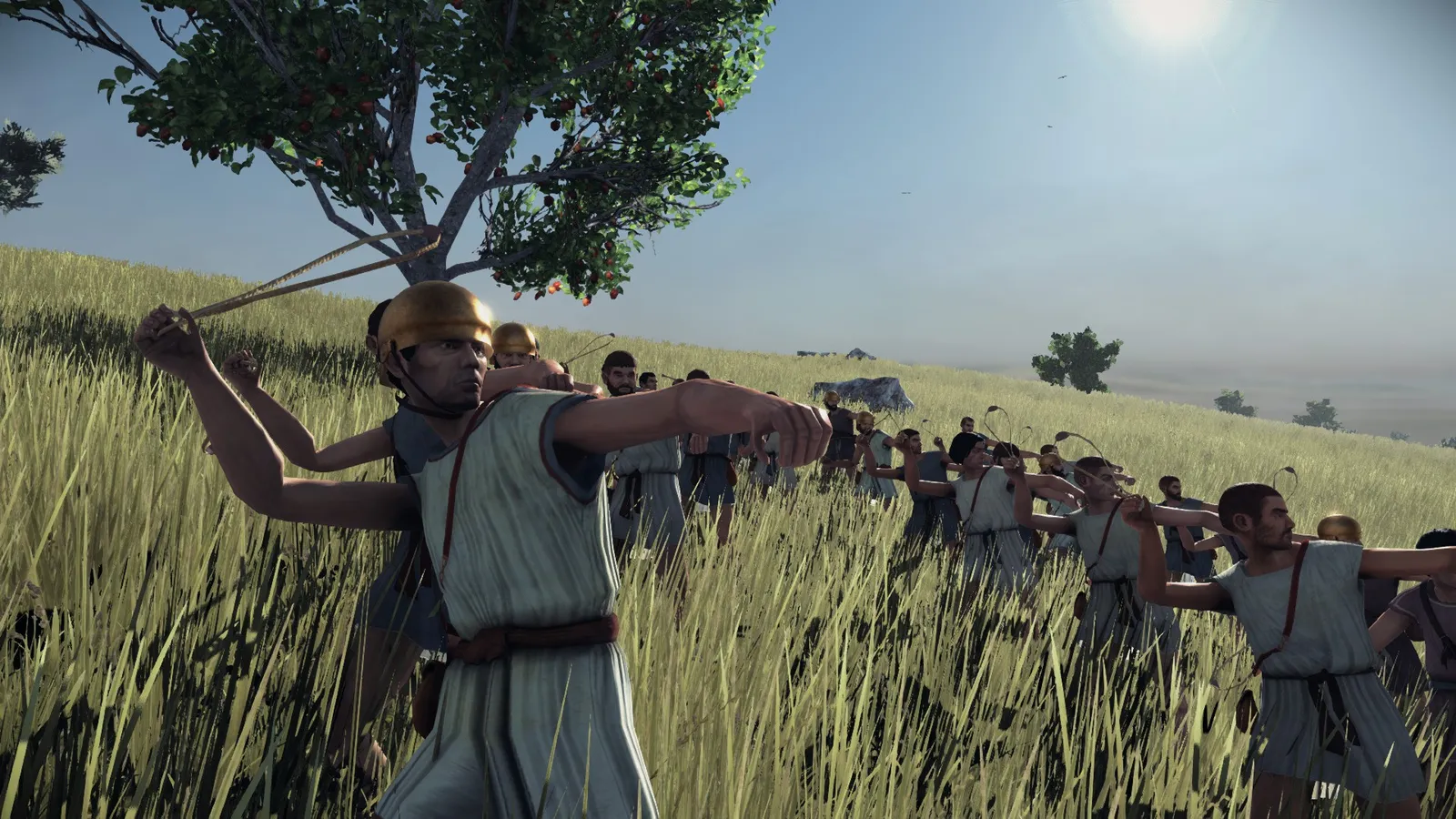
On the lowest tiers we can of course see the usual arrangement of skirmishers, including *Etruscan slingers* and *Etruscan Javelinmen*.
Next up, we have *Etruscan light swordsmen*, based on a bronze figurine from Telamon (now in the Florence Archaeological Museum no. 10646).
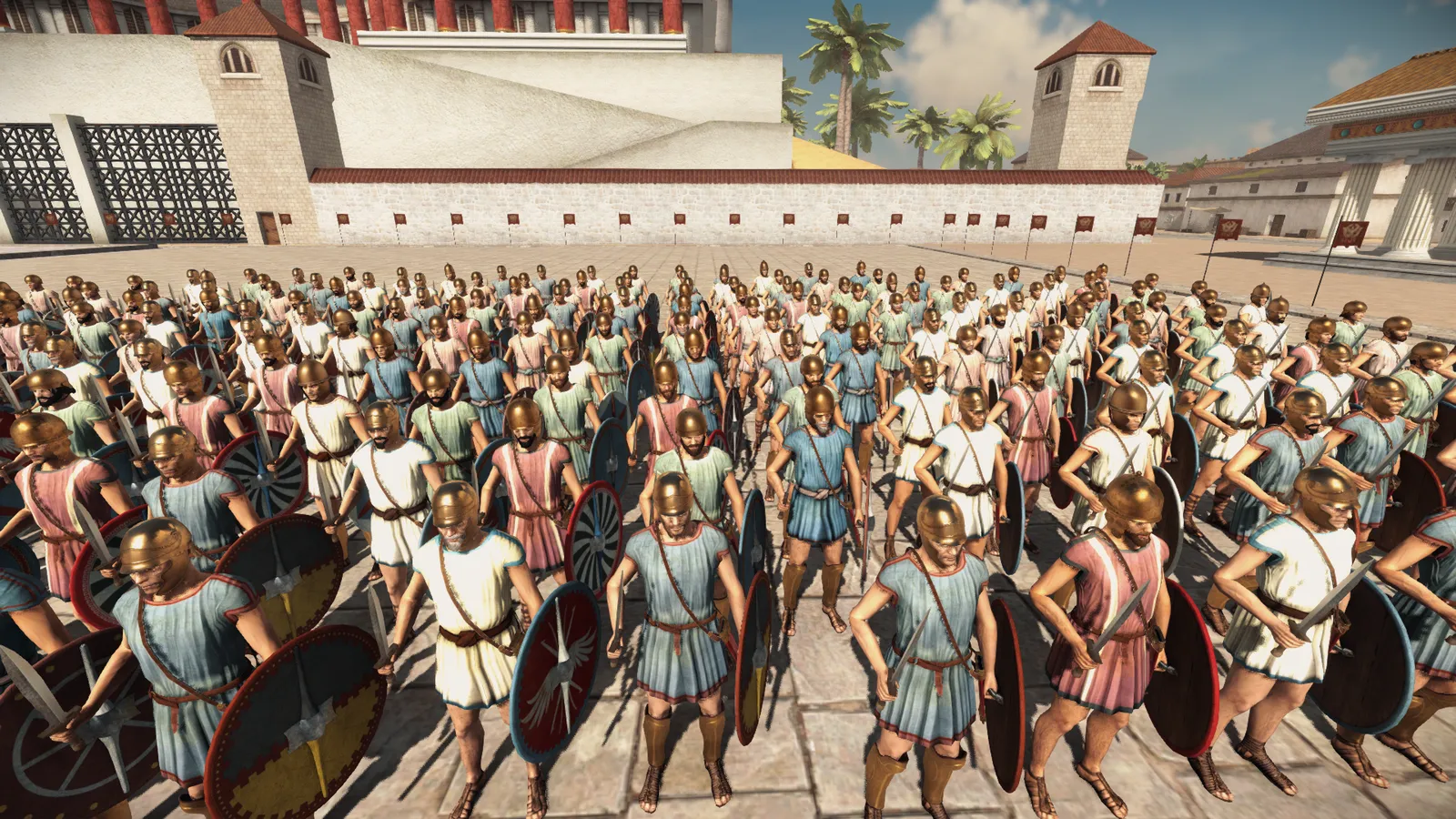
*Etruscan Spearmen* represent the mass levy of the Etruscans, equipped with the most basic panoply, consisting of thureoi, spears and Montefortinos or the similarly cheap “Etrusco-Thracian” helmets.
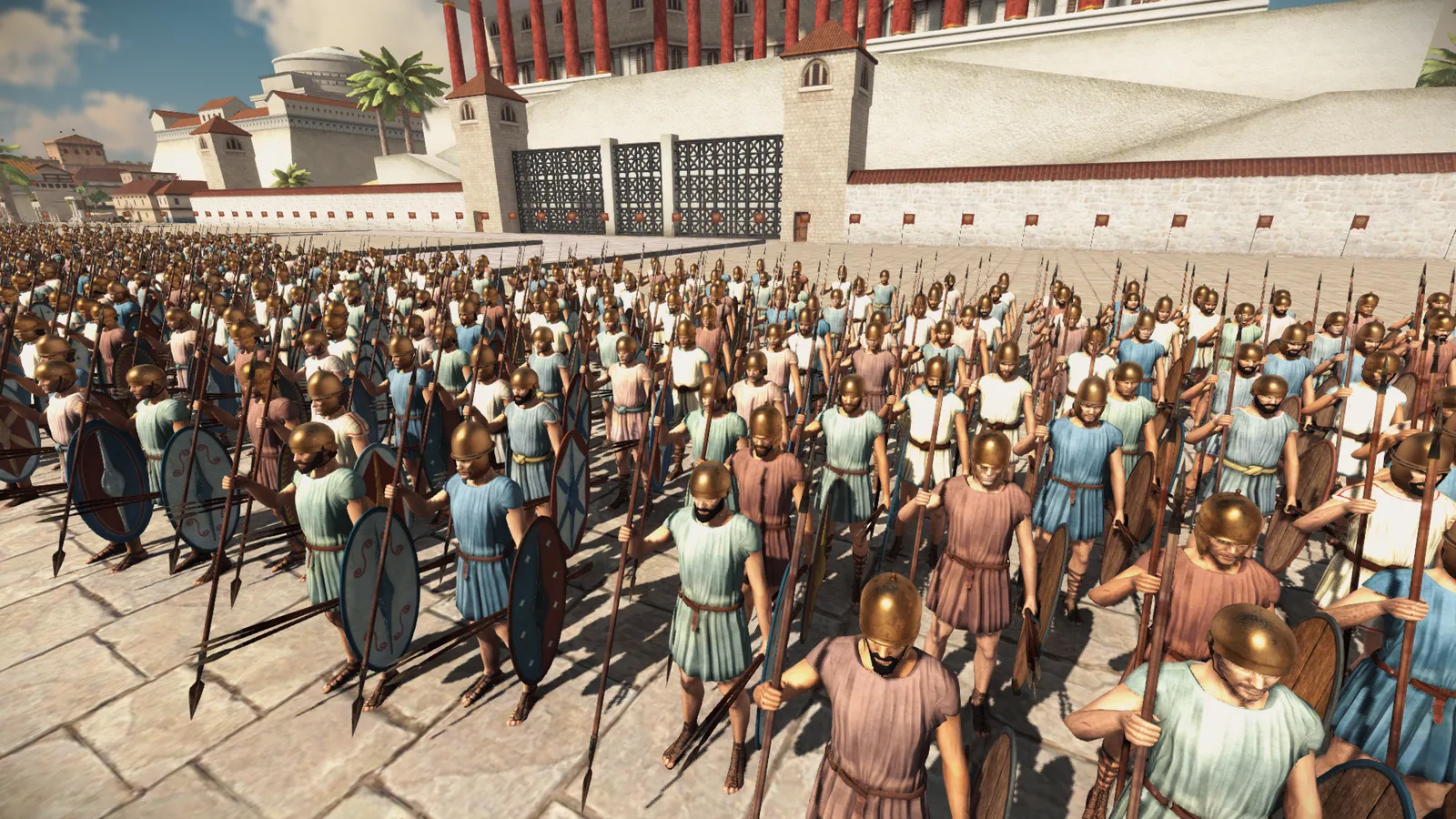
Slightly better than these are the *Etruscan thureophoroi*, the equivalent to the Roman 2nd class in the old Servian centuria system. Their armour and greaves afford them better protection overall and they can certainly take on the younger classes of the Romans and Celts.
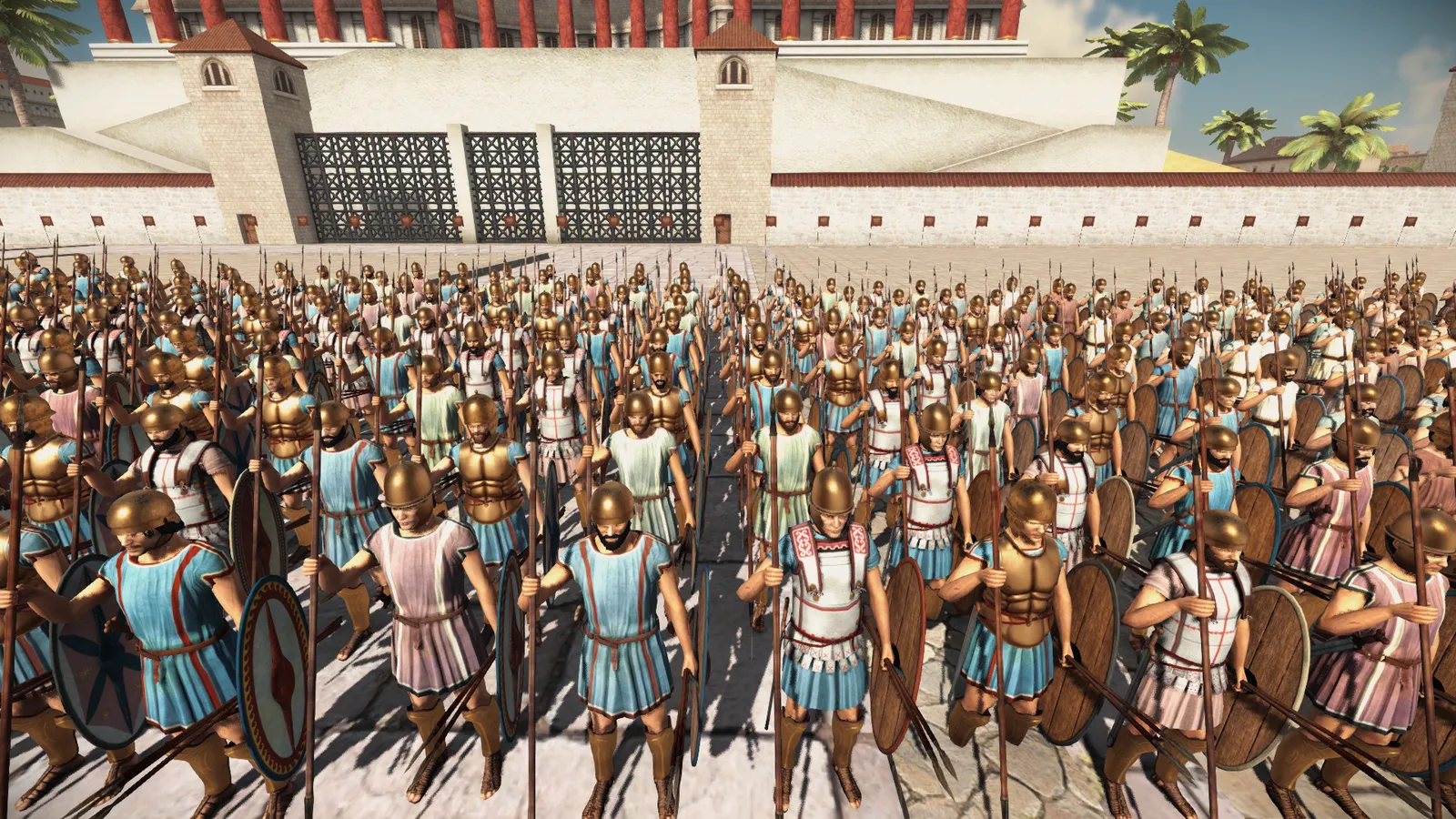
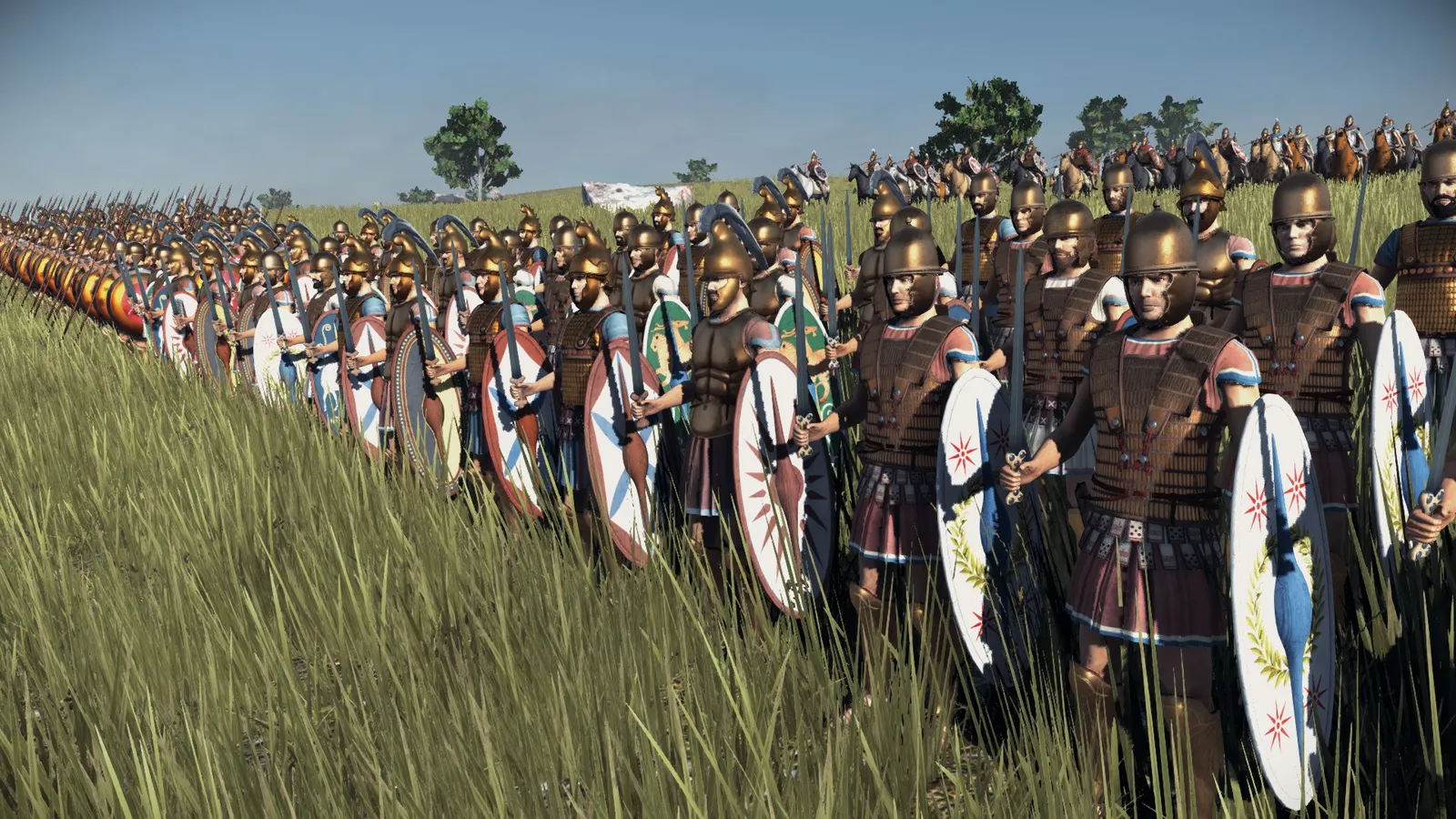
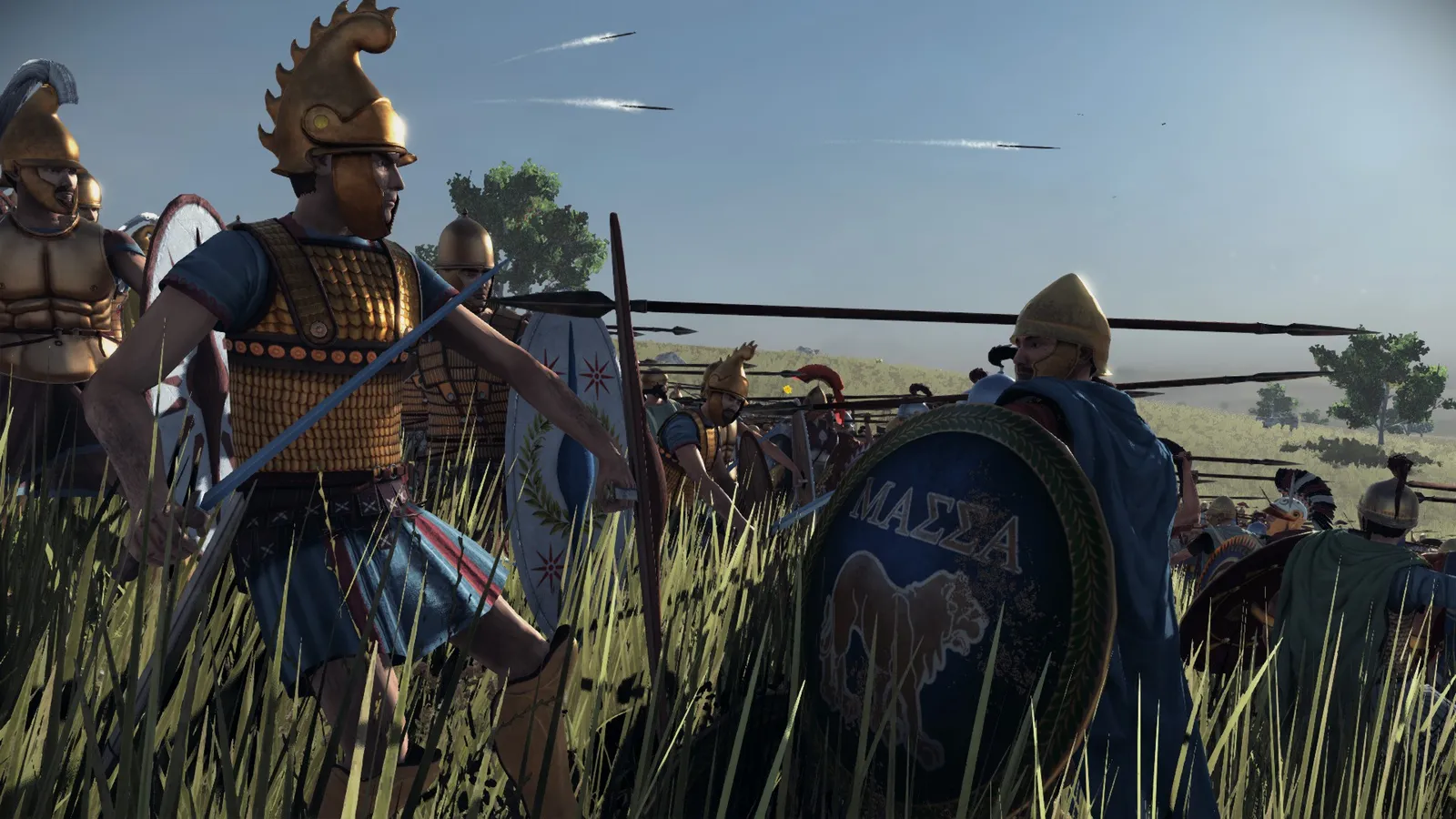
At the top are the *Etruscan elite swordsmen*. These are the strongest and most versatile soldiers you can field, well armed and armoured, they can take on any enemy infantry unit that is thrown at them.
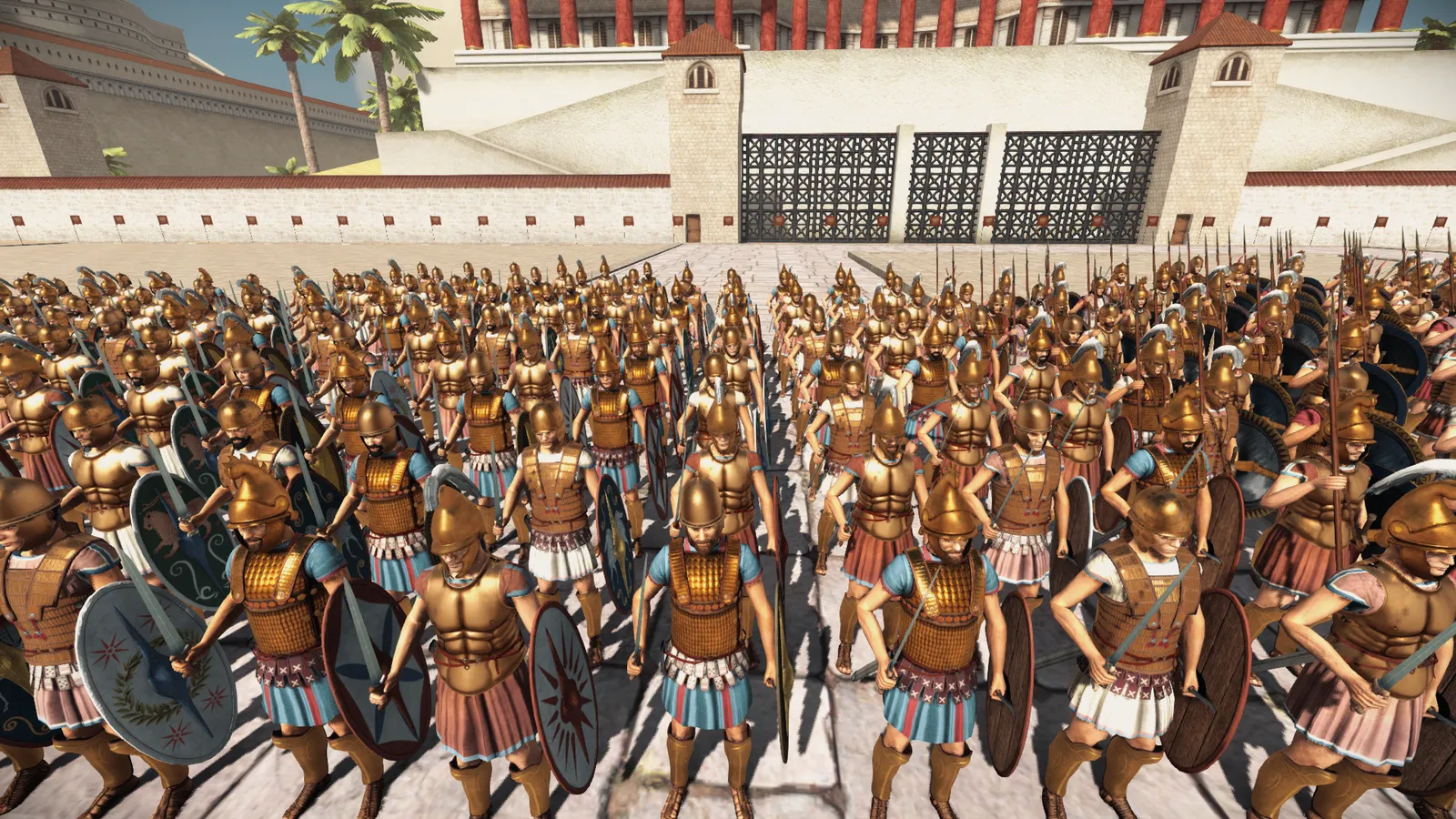
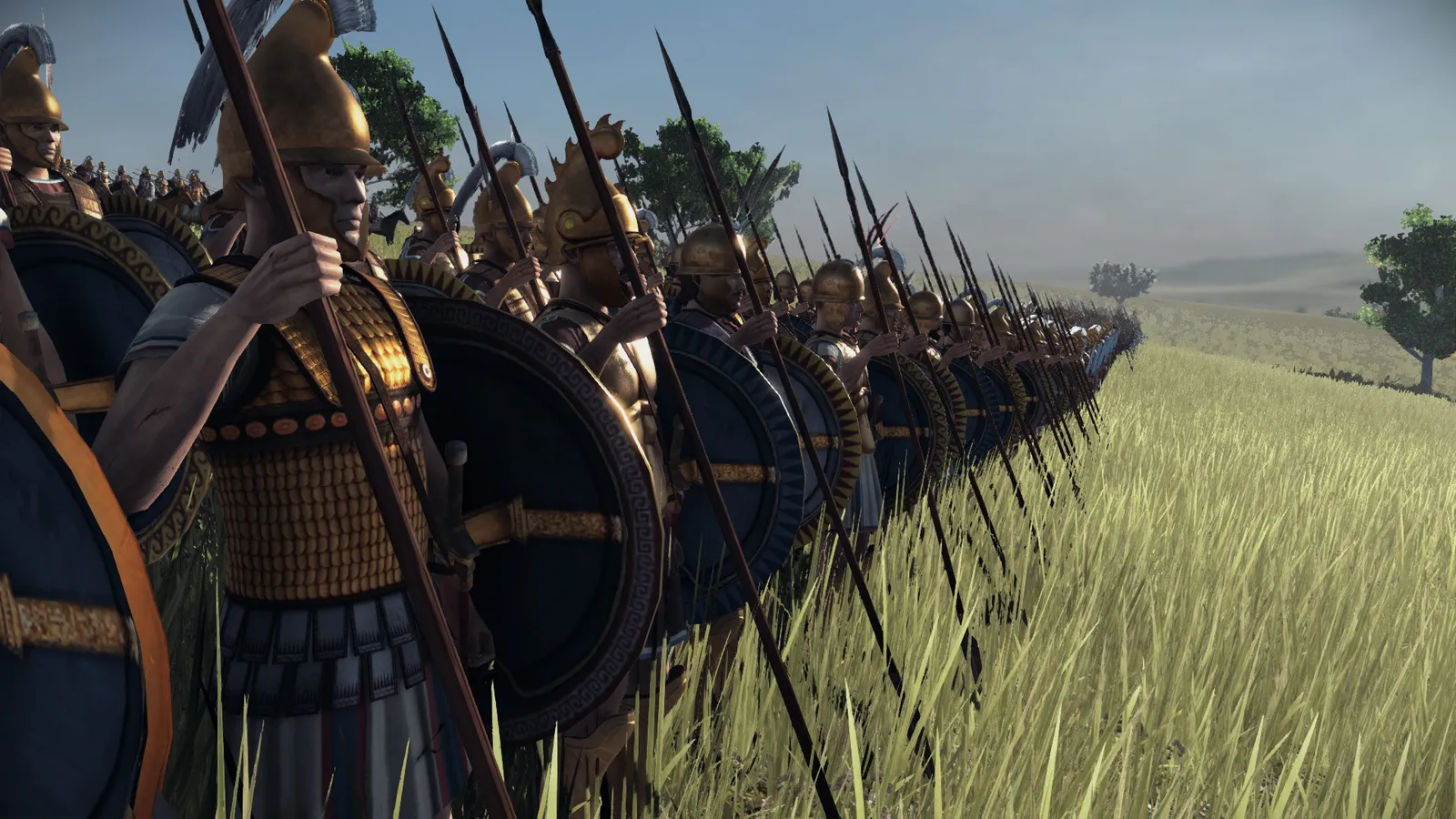
Last but not certainly not least, among the infantry are the Etruscan hoplites, wearing somewhat conservative equipment of a better past. Though probably not entirely abandoned in the Hellenistic period, under Roman influence the Etruscan hoplite panoply has become a rare sight on the battlefield. Their equipment consists of a lot of bronze – not just in their armour but also in their large aspis shields, showing off their immense wealth with those expenses. If you manage to regrow Volsinii’s power and influence, who knows if this fighting style sees a well-deserved return.
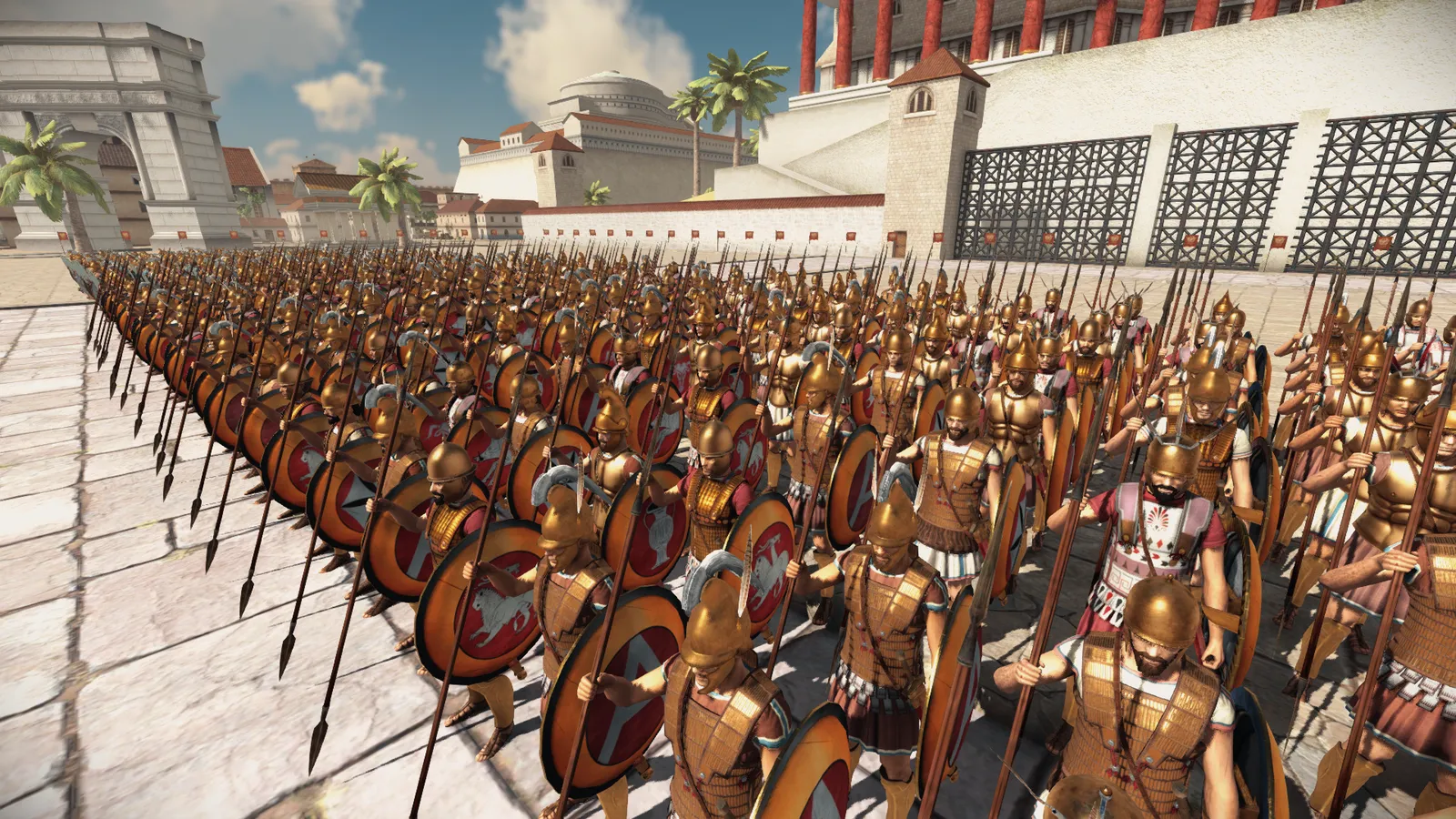
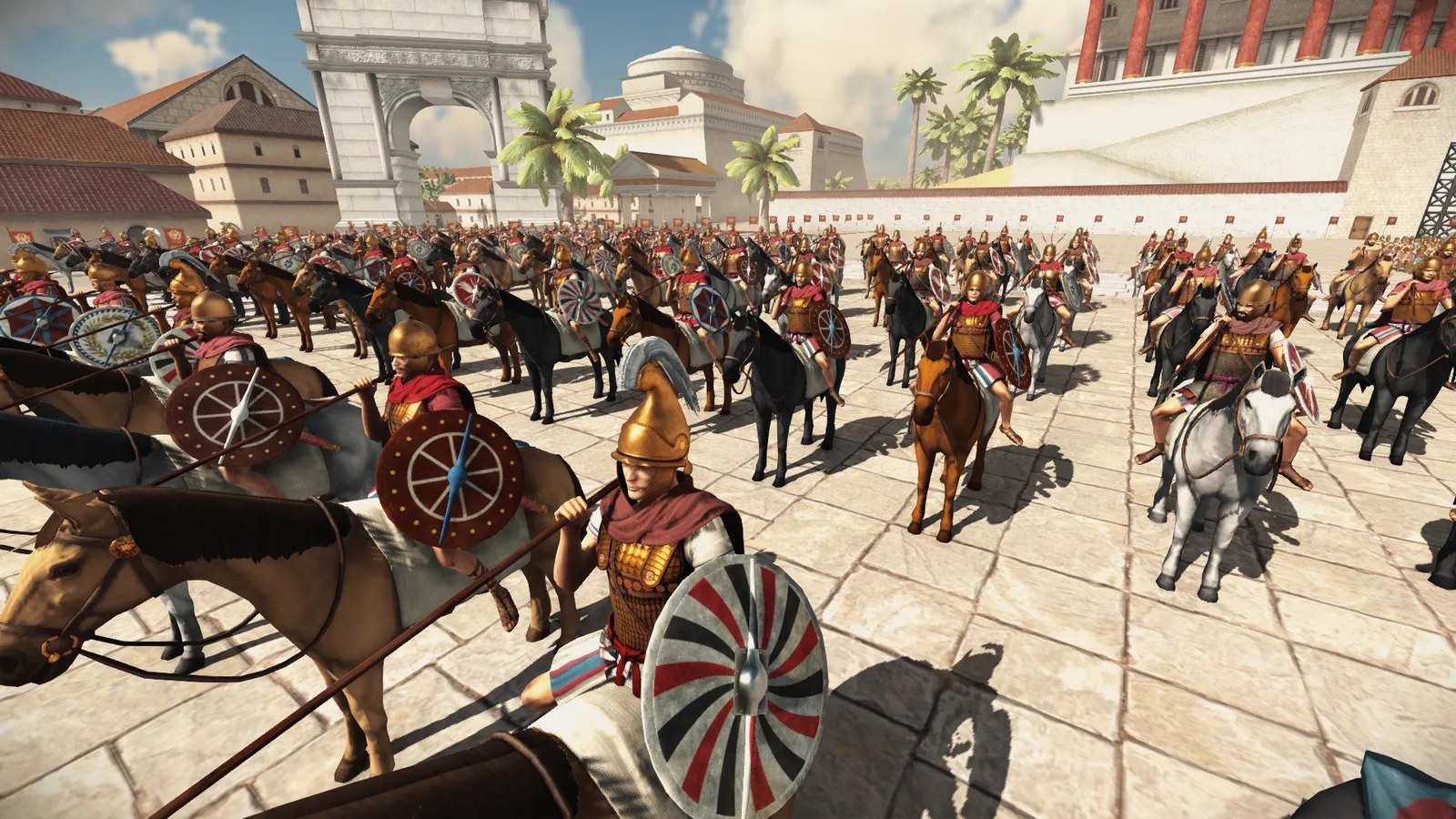
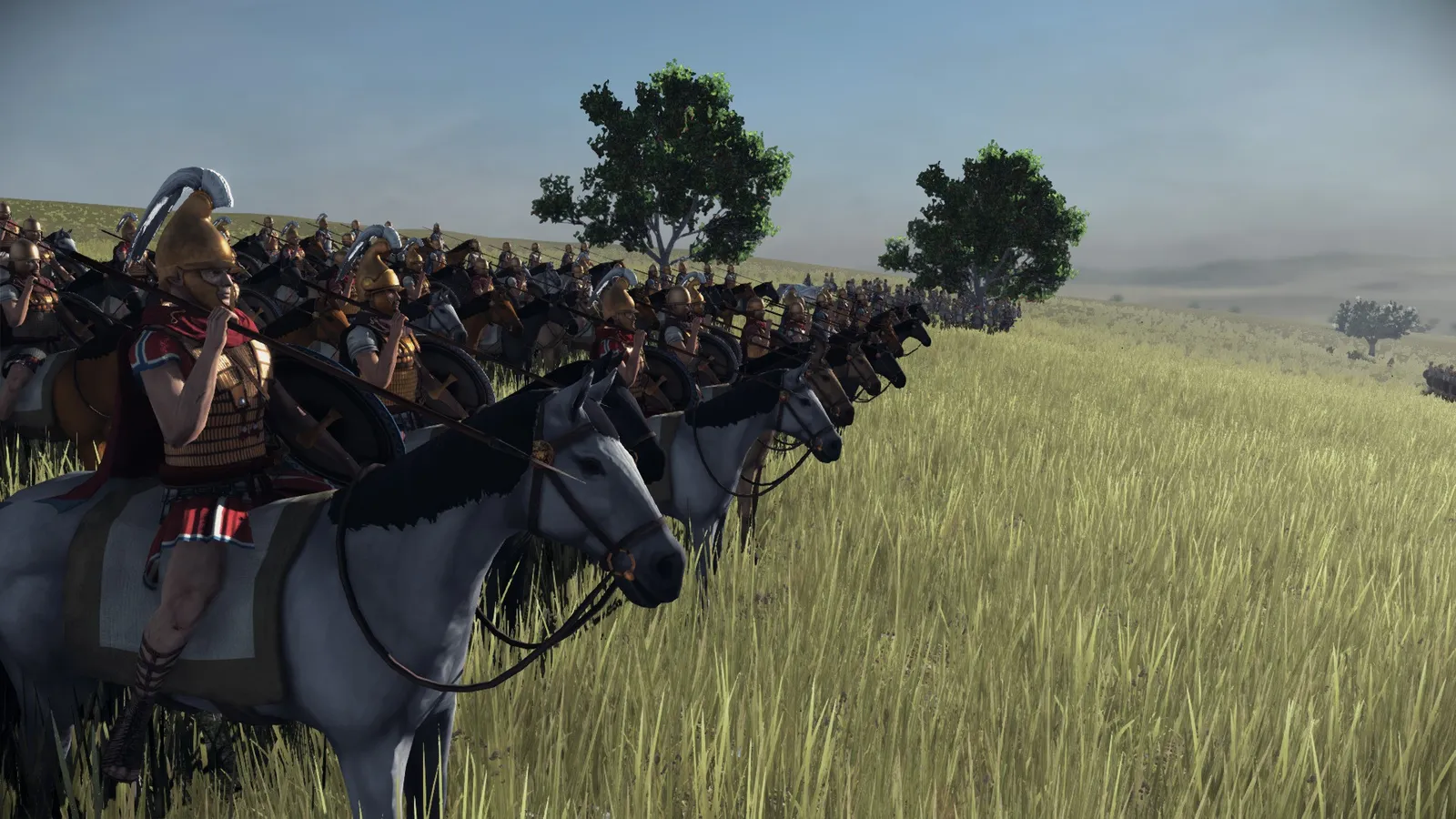
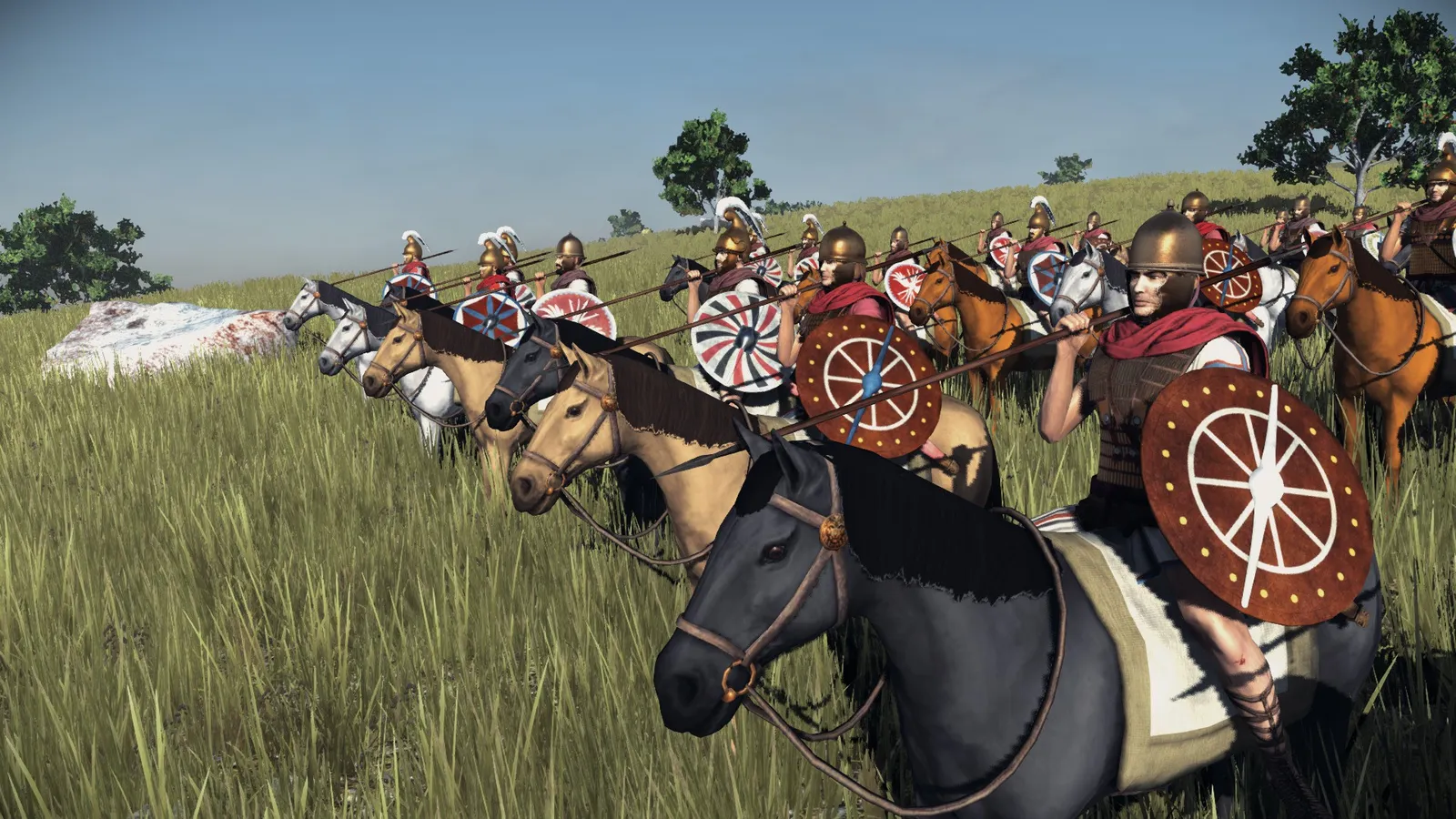
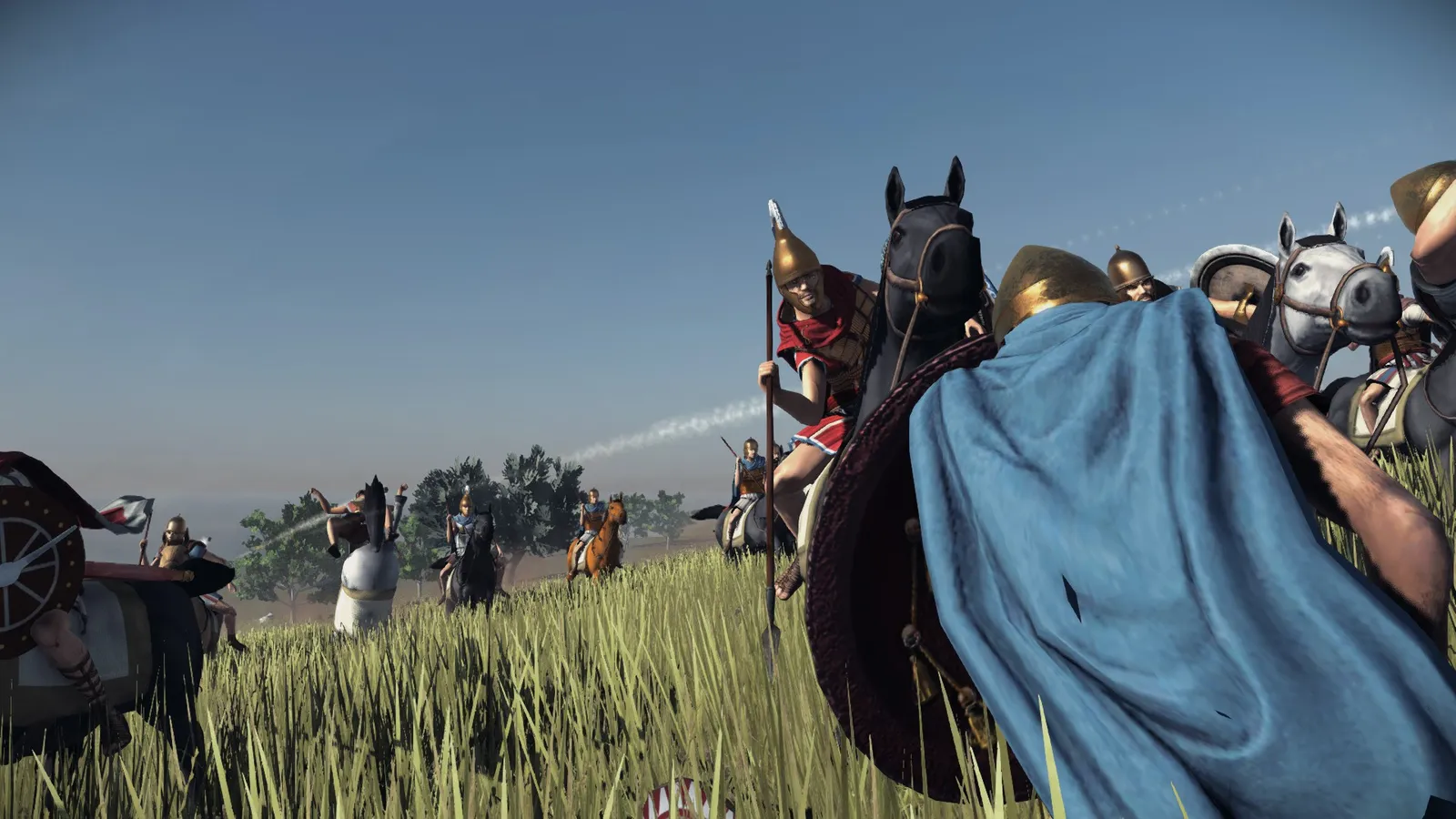
Of course, we shall not forget Etruscan cavalry. Though our written sources show that cavalry was as unpopular in Etruscan city-states as it was in Greek ones, Etruscan sarcophagus and urn reliefs tell different stories. *Etruscan lancers* derive from these depictions, showing individual Etruscan nobles clinging to the idea of a heroic rider trampling his enemies under the hoofs of his trusty horse or piercing them with a lance. They are equipped in the basic cavalry panoply comparable to the average Greek Xystophoros and tend to be shown in the process of driving out naked Celtic foes.
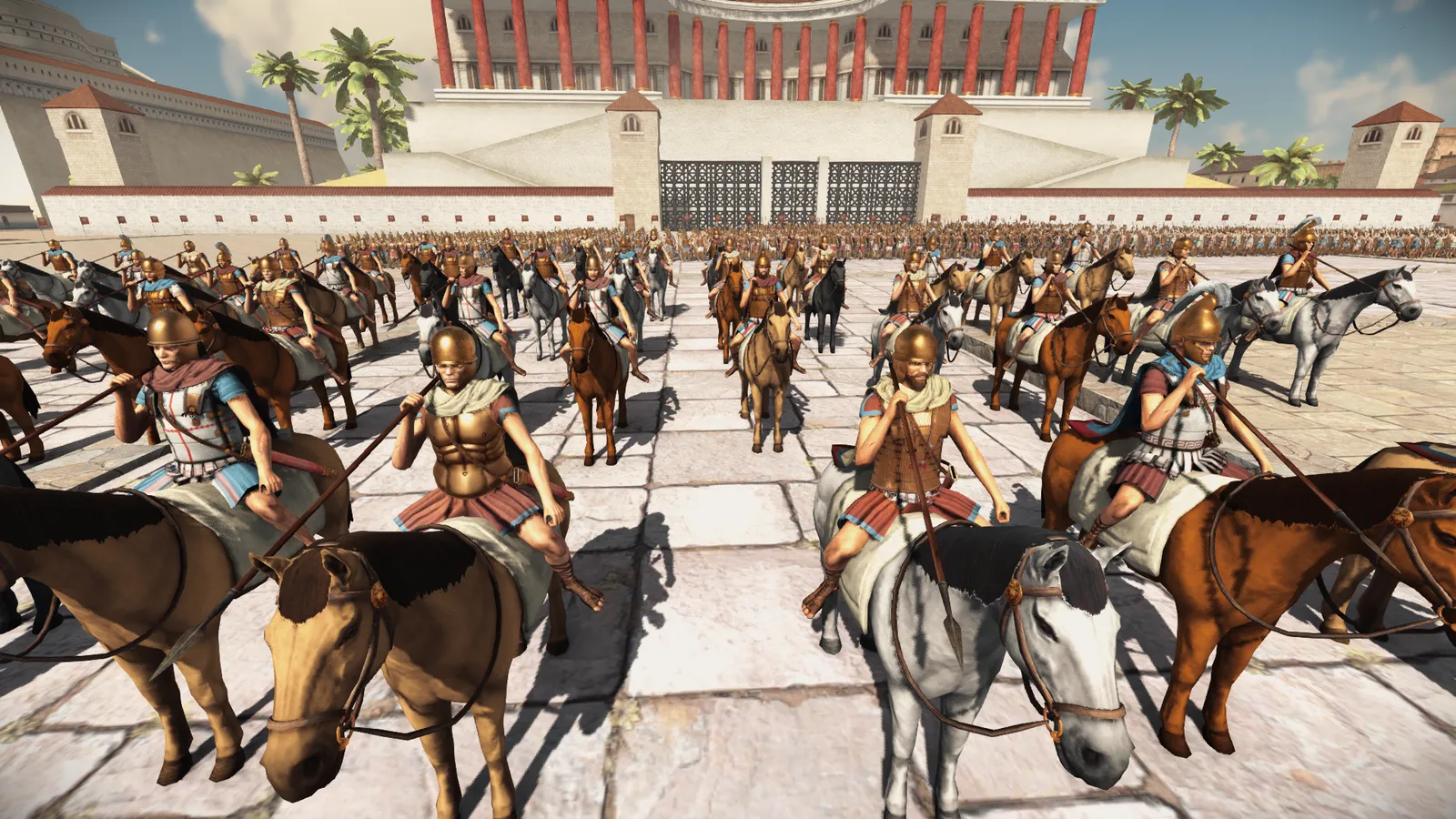
Alternatively, the *Etruscan heavy cavalry* they may trade their long lance and deadly charge for the extra protection of a shield to engage in close combat for an extended period of time.
We hope that you use this roster to drive Rome out of your homeland and win back former Etruscan glory. Build an empire to rival the greatest powers in the Greek world.
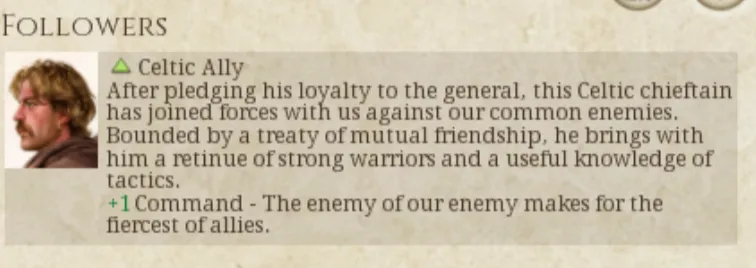
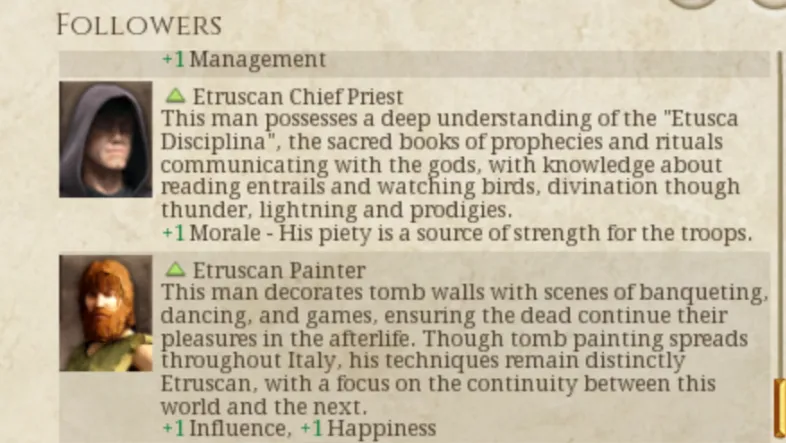
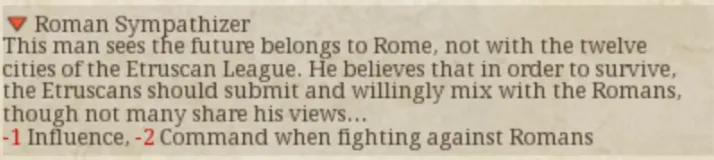
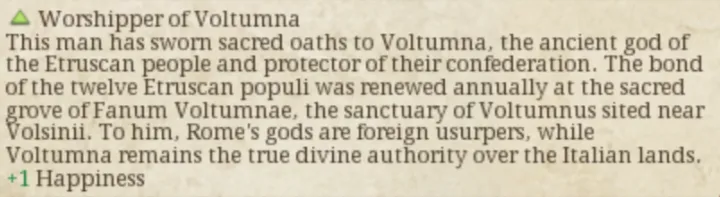
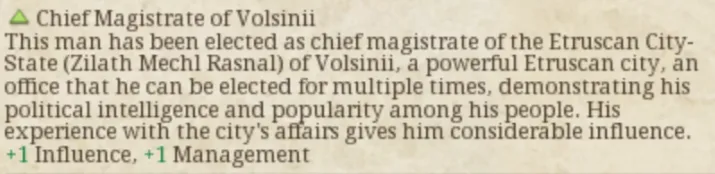
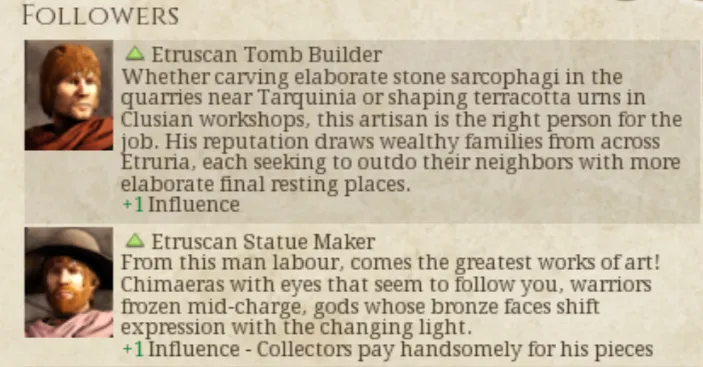
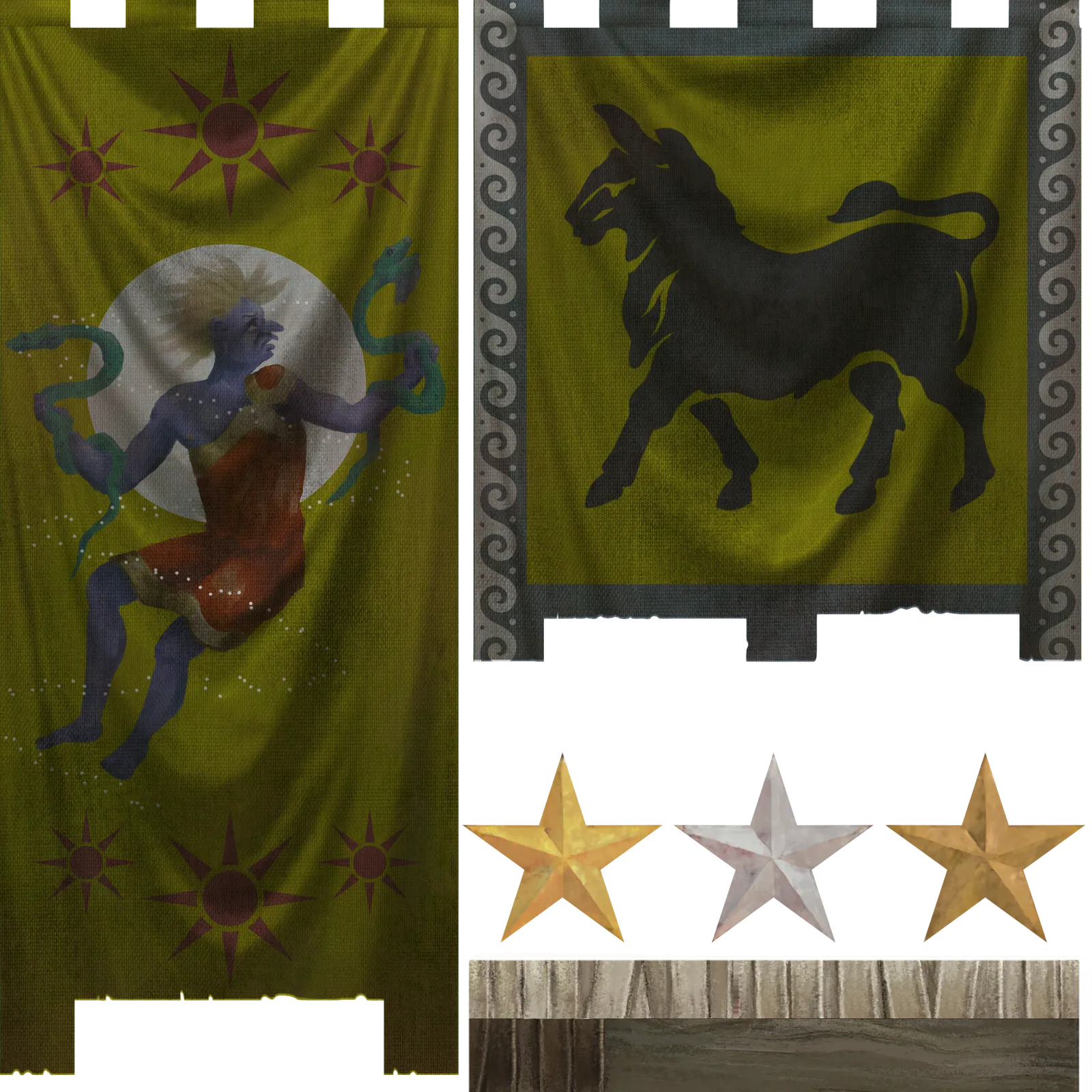
Now, at the end, we will show you some traits and ancillaries that will add a lot of flavour to your game:
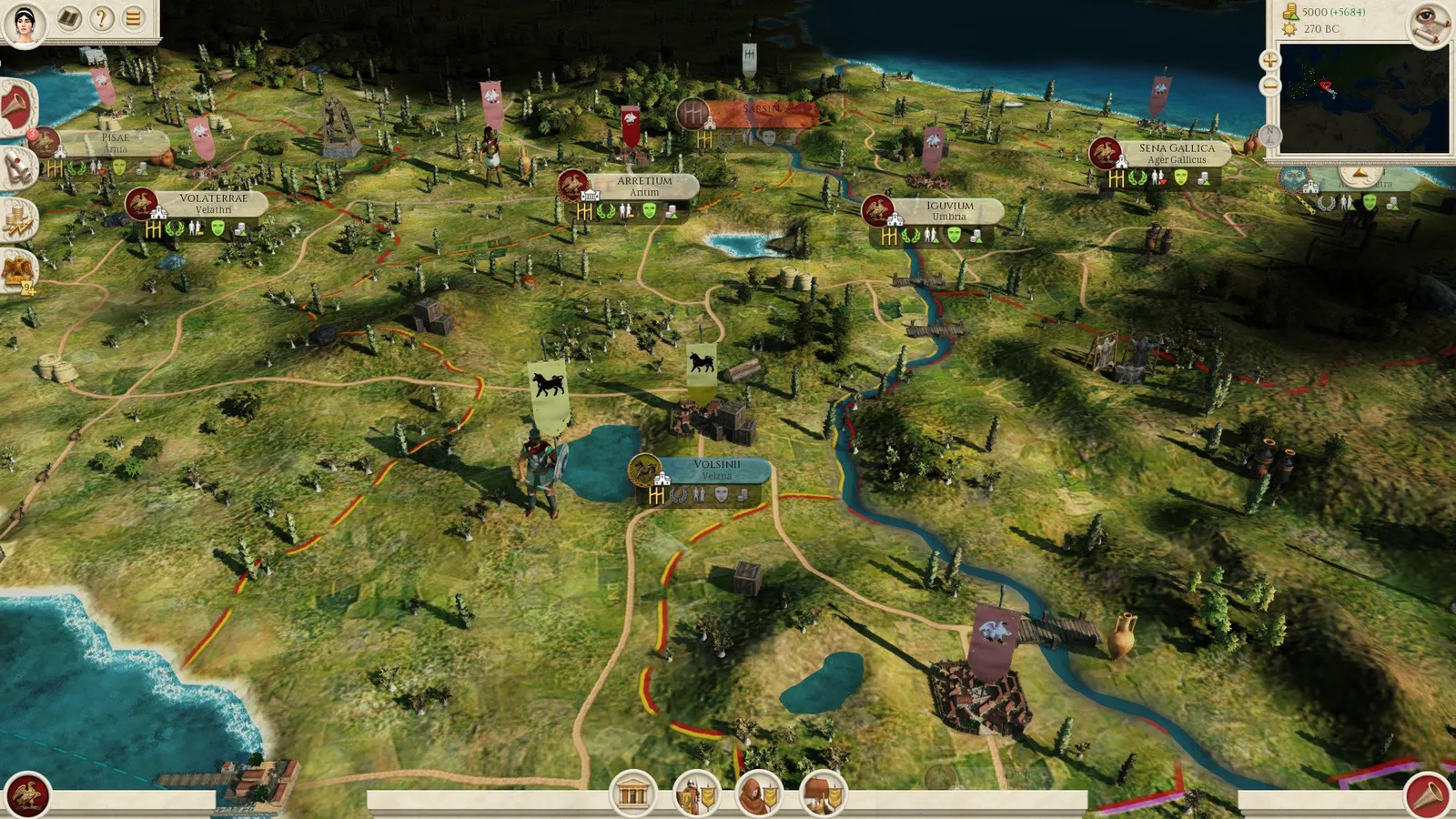
Volsinii starting situation:
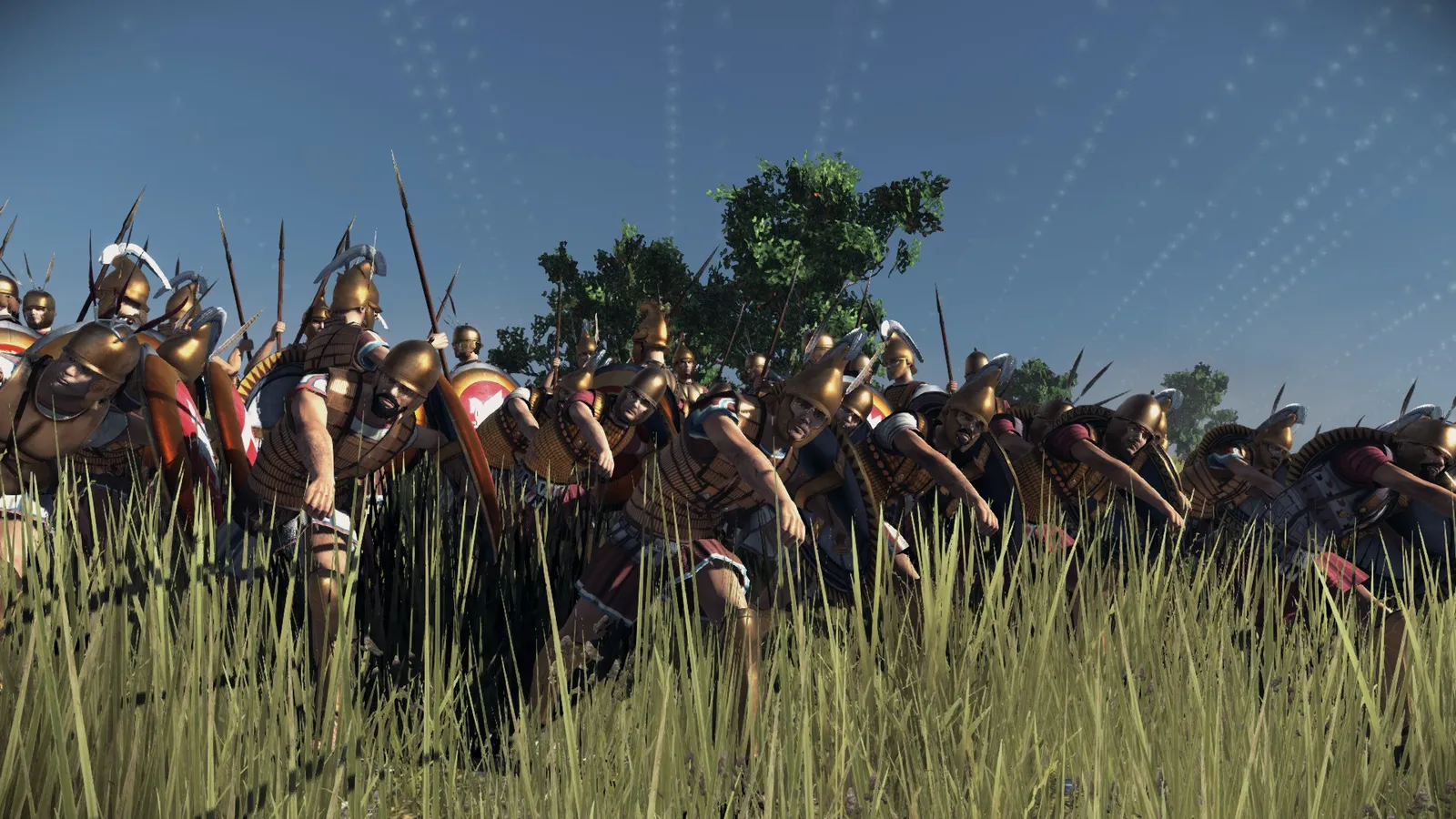
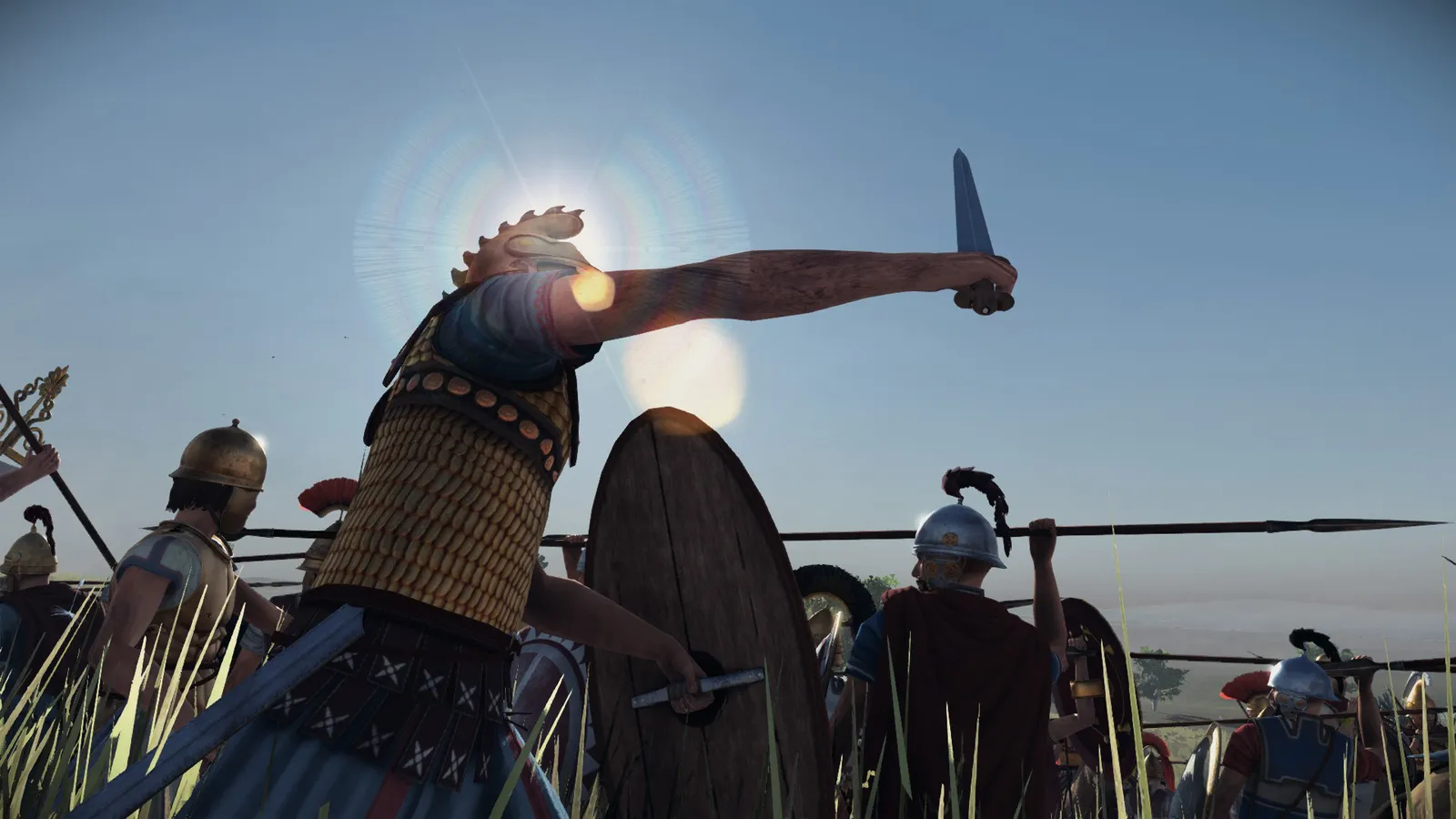
And finally, some action shots 😉
This concludes our Volsinii dev diary. Feel free to discuss it in our a channel as always and see you for the next one!