Picenum
2025-12-15 · jottel

Hello everyone, and welcome to our second Developer Diary about Italy. Today we present to you the faction of Picenum. Picenum lies in the territory of the modern Marche and northern Abruzzo area, wedged between the Apennine mountain range in the west and the Adriatic Sea in the east. Rivers flowing from the foothills of the mountains into the sea made Picenum into a particularly fertile region, especially for the cultivation of fruits like apples, pears, grapes and olives. These rivers also connected the Etruscan and Umbrian inland with the trade networks of the Greeks, Liburnians and Illyrians on the Adriatic Sea, and from an early time, Picenum enjoyed the benefits of inhabiting this entry point into Italy. Archaeology has revealed Phoenician pendants of glass or ivory, Greek pottery, Etruscan bronze vessels, amber and many more items of trade. In turn, the Picentes probably exported local produce of agriculture and pastoralism, like olives, oil, grain, animals, milk, wool or leather.
Picene material culture is generally divided into 6 phases (called Picene I – VI), whereby Picene II (8th century BC) and Picene III (7th century BC) showed a relatively homogenous culture. In Picene IV (6h – 5th century BC), however, differences start to emerge between north (where the language is largely unknown to us) and south, where we can tell from around 23 inscriptions that the inhabitants spoke a kind of Sabellic dialect. Thus, they would have belonged to the broad language family that Oscan-speaking peoples, like the Samnites, were also part of; and like the Samnites, the Picentes sent out their youth on expeditions in the so-called “Holy Spring” – the ver sacrum – to search for lands to conquer (Plin. NH. III.110). The myths tell us that this is how the Picentes came to inhabit this region in the first place, following the woodpecker, an animal sacred to Mars (the picus – hence the name “Picentes”), on their journey (Strab. V.4.2). Inside their territory, the Picentes had a sanctuary which was dedicated to Juno, called Cupra. It was erected by the Etruscans, and used by them, the Picentes, Umbrians, Daunians and from the end of the 6h century BC also Greeks for the religious, cultural and commercial purposes.
Picene V (475 BC – early 4th century BC) then shows new cultural developments, with the arrival of the Gallic Senones in the north and the Syracusan colonisation of Ankon on the coast. As trade relations with Greeks, Etruscans, Umbrians and others flourished through the port cities of Ankon and Numana, a sort of trading “middle-class” was growing, while wealthier burials of the elite became fewer and fewer. Picene VI (4th century BC – 268 BC) finally shows the decline of a unique Picene culture. Few Picene cemeteries are attested from that period, and their native graves lay side by side with Gallic graves, both containing the same kind of weaponry, even though some burial traditions remained different. In the latter phase of this period, Rome started to take an interest in the region of Picenum. In 299 BC, an alliance was concluded between them and the Picentes, who also warned the Romans of Samnite and Etruscan war preparations. After the Gallic-Etruscan-Samnite alliance had been destroyed at the Battle of Sentinum in 295 BC, the Sabines, Picentes and Praetutti were put under Roman protection and the colonies of Hatria (289 BC) and Sena (283 BC) were founded, boxing in the Picentes. In 269 BC then, the latter revolted against Rome but were quickly defeated in the following year, immediately followed by the construction of the colony of Ariminum north of Sena in 268 BC. As a result of that revolt, some Picentes were deported to the hilly countryside behind Salernum and Paestum (ager Picentinus), the rest half-enfranchised into Roman citizenship, with just Asculum and Ankon retaining their treaties of friendship. A new colony called Firmum was founded 4 years later (264 BC), this time firmly inside Picene territory, presumably to oversee their actions.
In 241 BC, the Roman tribes Quirina and Velina were founded on Sabine and Picene territory, thus integrating these tribes further into Roman rule. In 232 BC, tribune Gaius Flaminius (the one who died 217 BC at the Battle of Lake Trasimene) passed the lex Flaminia de agro Gallico and Piceno viritim dividundo (the law of Flaminius about the division of men on the ager Gallicus and Piceno), which distributed the land of the Senones and Picentes to Roman citizens. During the Second Punic War (218 – 201 BC) Rome relied heavily on Picenum to provide additional troops after suffering heavy losses against Hannibal. This was especially needed after Cannae (216 BC) and Rome levied 25.000 new soldiers, including cohorts from the ager Picenus et Gallicus, from slaves and from criminals who were promised their freedom (XXIII.14). Later still, Terentius Varro, one of the consuls who was responsible for the Roman defeat at Cannae, was tasked to continue levying troops from the Picentes (XXIII.32). He remained in that province until 212 BC to protect it, though probably also to prevent it from revolting. Though Picenum continued to play a minor role in further Roman history, its relevance flared up one final time during the Social War (91 – 89 BC), which started with the assassination of Praetor Quintus Servilius and his legate Fonteius at the Picentine city of Asculum. With the successful siege of the latter by Pompeius Strabo, this revolt also saw its end in Picenum. In 27 BC, Asculum was made a colony by Augustus and the region divided between Regio V Picenum and Regio VI Umbria et ager gallicus picenus. The Romanization of Picenum was completed.
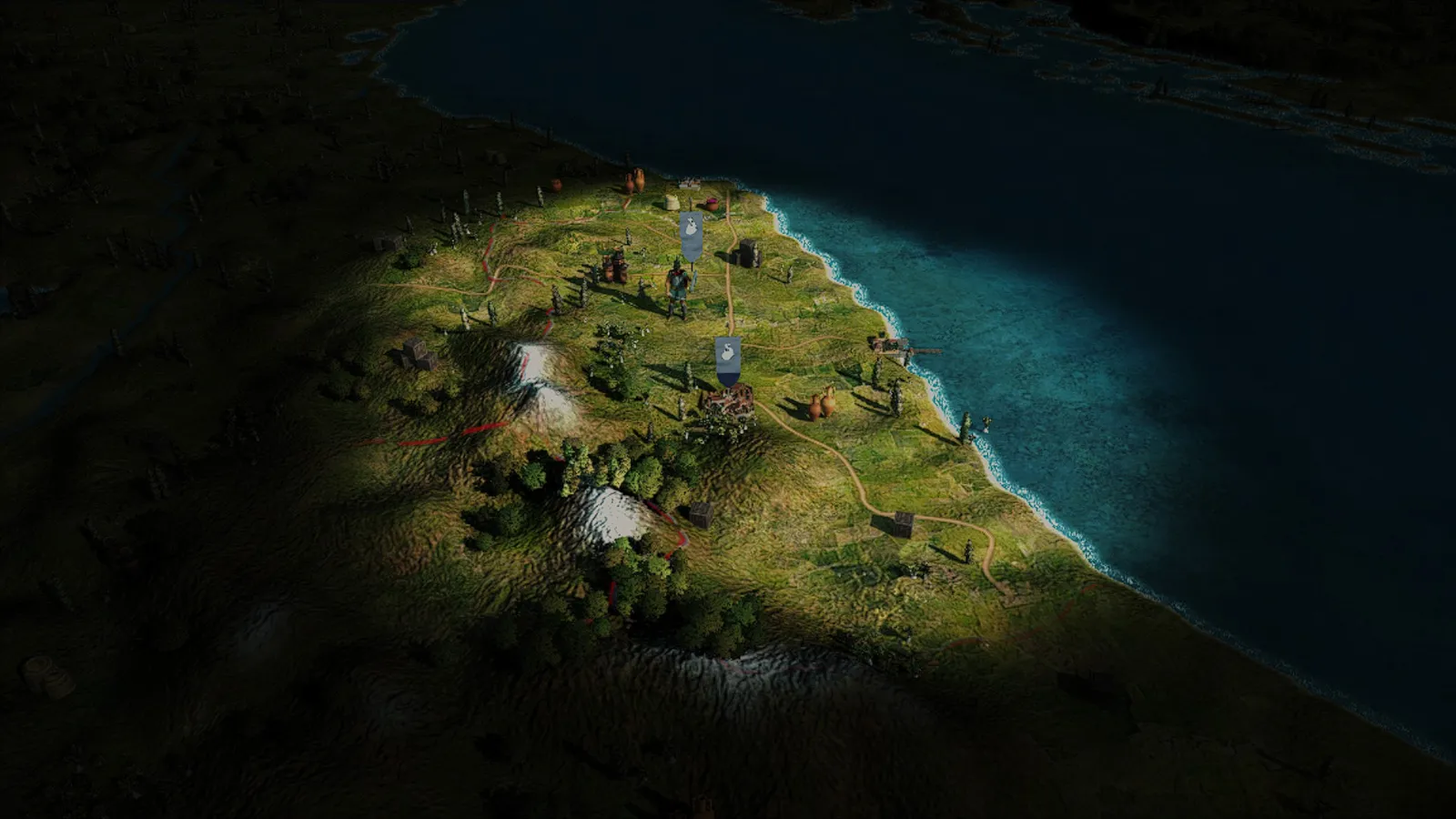
The starting situation of Picenum in 270 BC

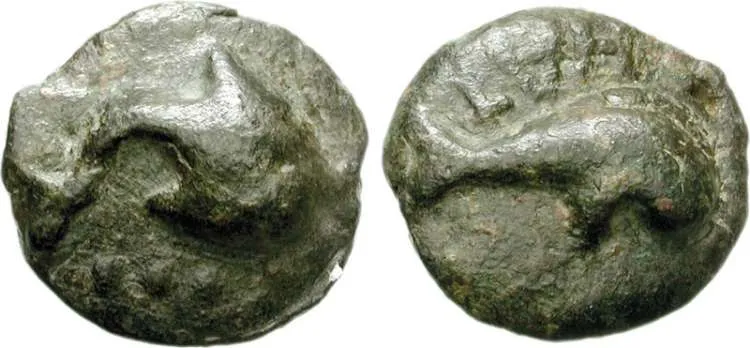
The symbol is inspired by an Aes Grave coin from Hatria, Picenum, dated to ca. 275-225 BC, showing a stingray and a dolphin
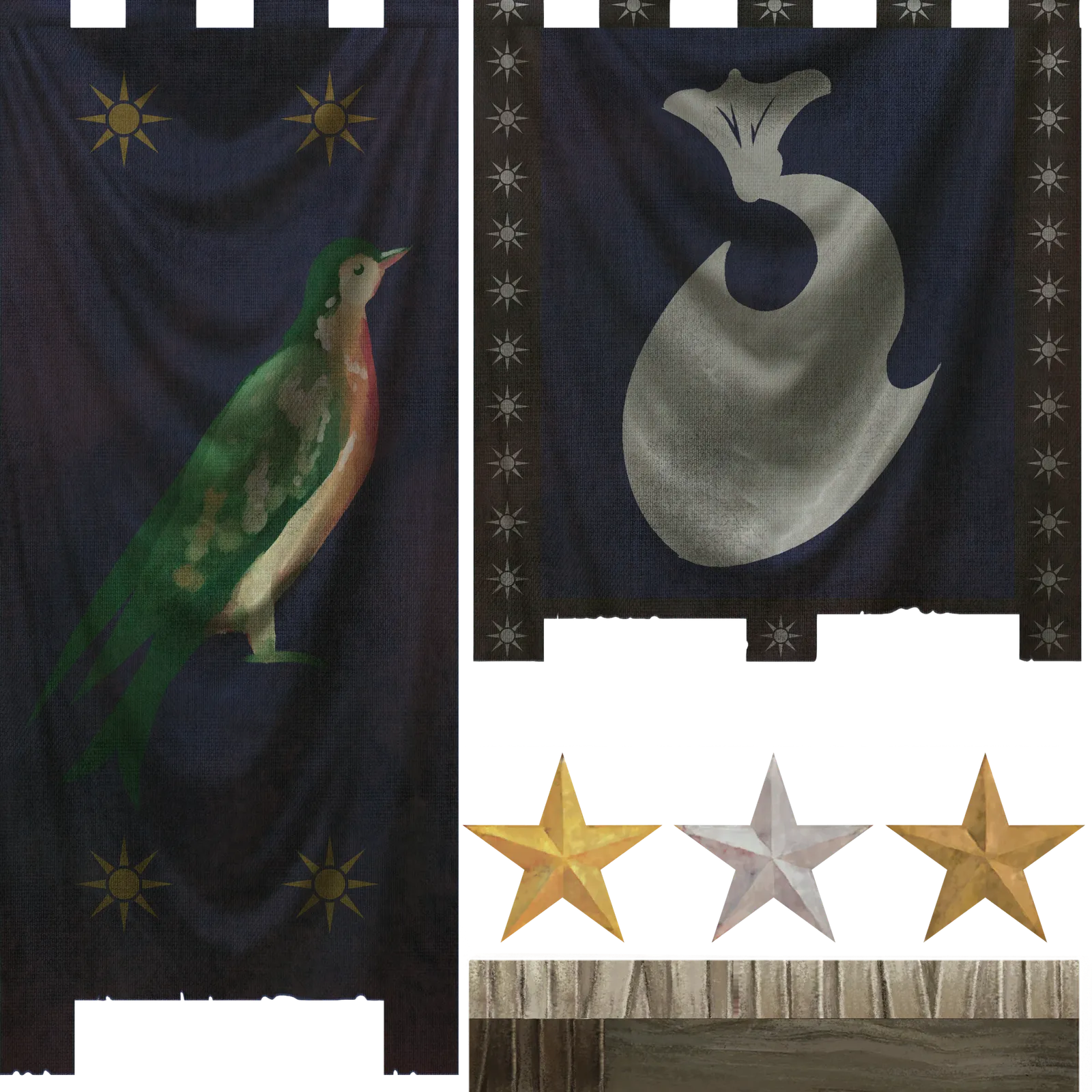
Their banner depicts the *picus*, the woodpecker that is sacred to the Picentes
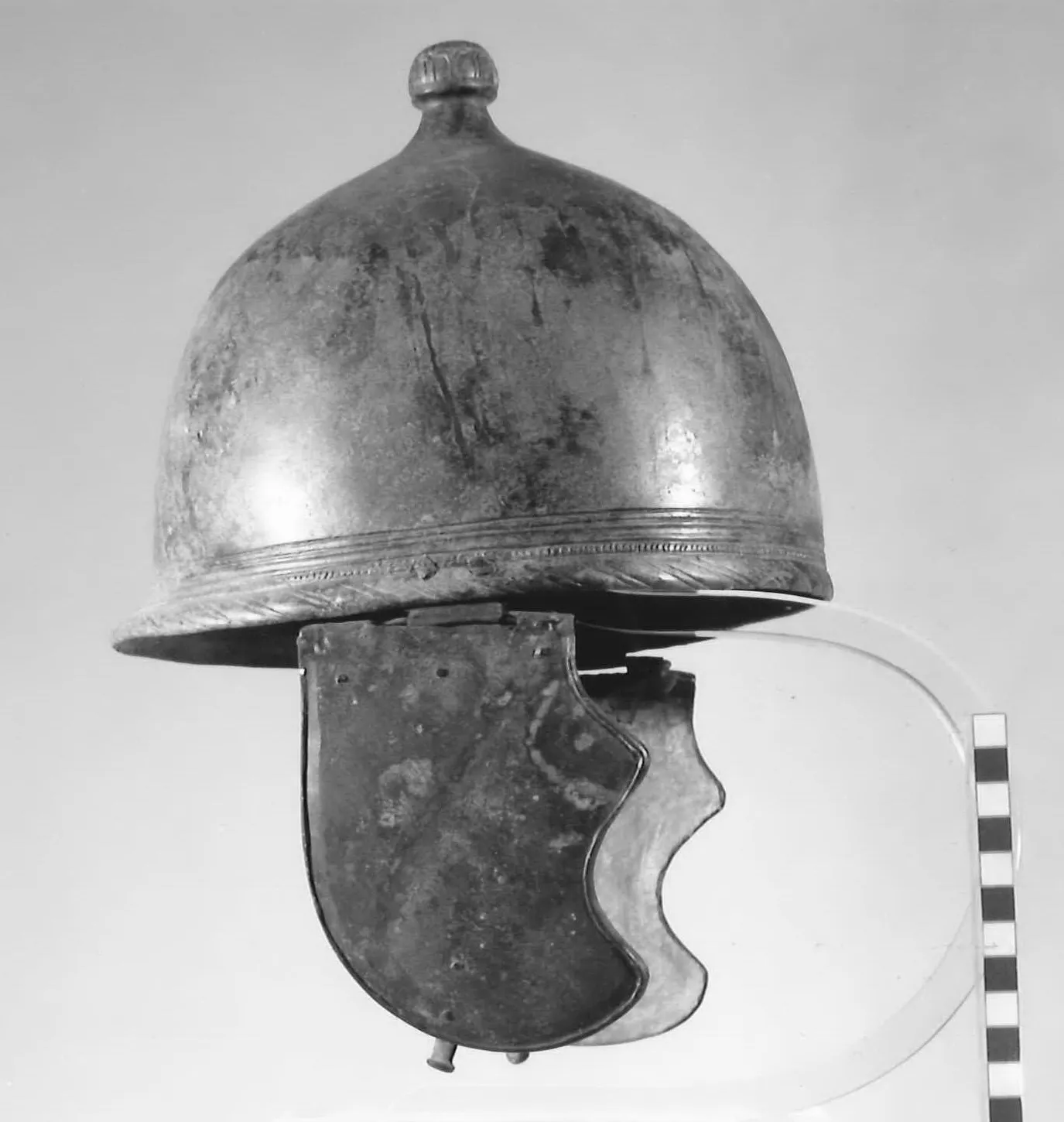
We can’t say much on the structure or organization of the Picentine military. If they kept some Sabine traditions, they may have ordered their youth in the “sacred spring” to swear an oath and go on military expeditions, though we never explicitly hear of them doing so on the rare occasion of our sources talking about the actions of the Picentes at all. Military equipment seems to have developed broadly along North Italic lines, often paralleling items found in Etruria at the same time. In the Archaic Period of the 8th – 6th centuries BC, this would have included round and ornate discs strapped in front of the torso, javelins, spears, axes and Greek-style swords, as well as double-crested and decorated brimmed pot helmets. And though, this may be the look they were famous for, as stated above, however, the 4th – 3rd century saw the Picentes adopt Gallic weaponry from the Senones, including Montefortino-type helmets (which are actually named after a site in Picenum near Ancona, where 12 helmets of this type were found in 1899), La Téne swords and oval thureos shields. Their style of clothing as well as their bronze belts, however, are based on the style of Sabellic peoples and are inspired by Samnite art from tomb paintings in Campania or Paestum, as well as Campanian pottery.
Examples of findings shown here include: A Montefortino-type helmet from the National Archaeological Museum of the Marche, Ferretti Palace floor 1: room 21: display case 1 A: shelf I Found in: Serra San Quirico (MC); Venanzoni area/ tomb 4
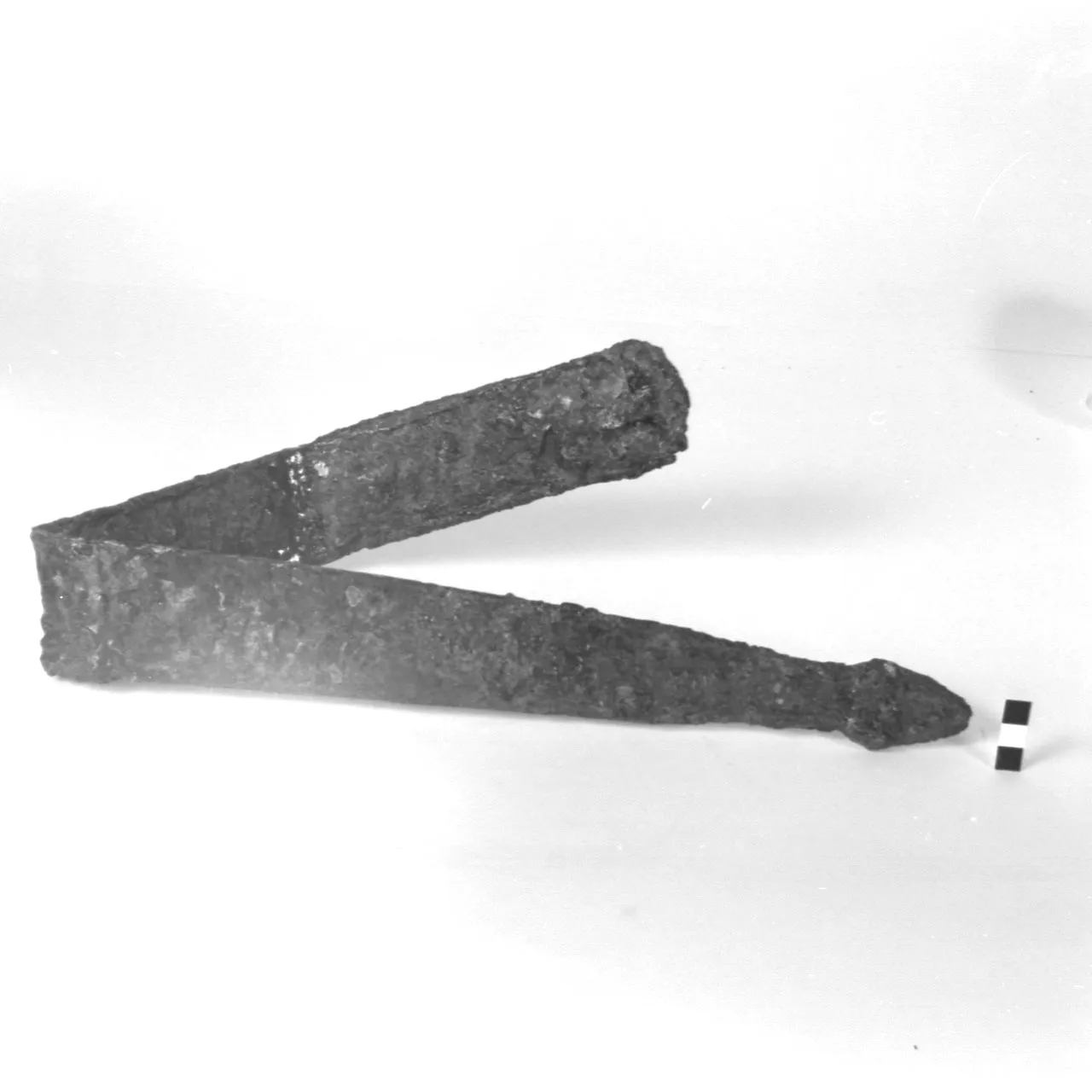
and a La Téne sword scabbard from the State Antiquarium of Numana, [Building in Via la Fenice, 4] floor 1, room 1, display case 9, shelf 4, right Found in: Sirolo (AN), Window Sill Area/ t. 199
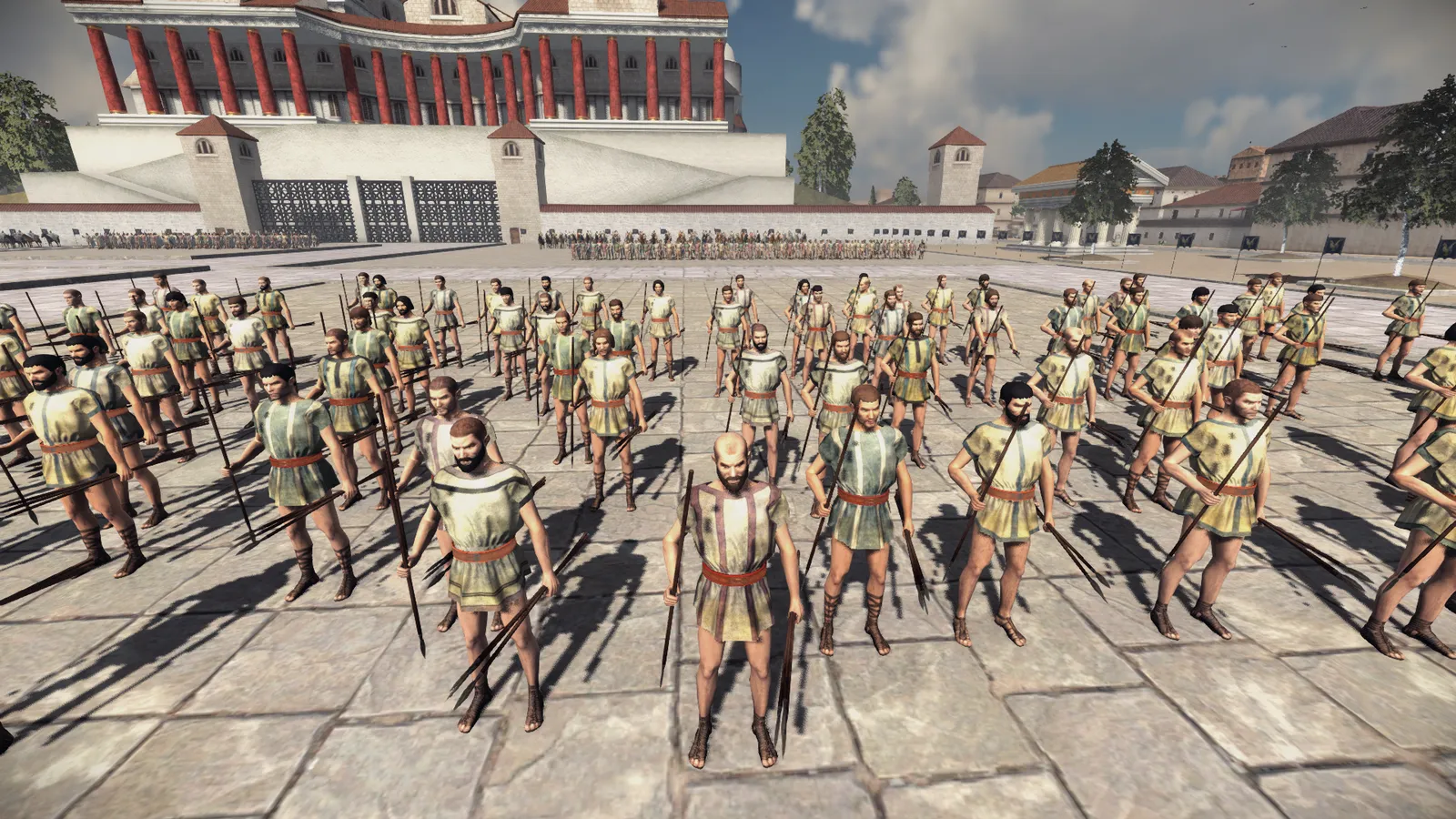
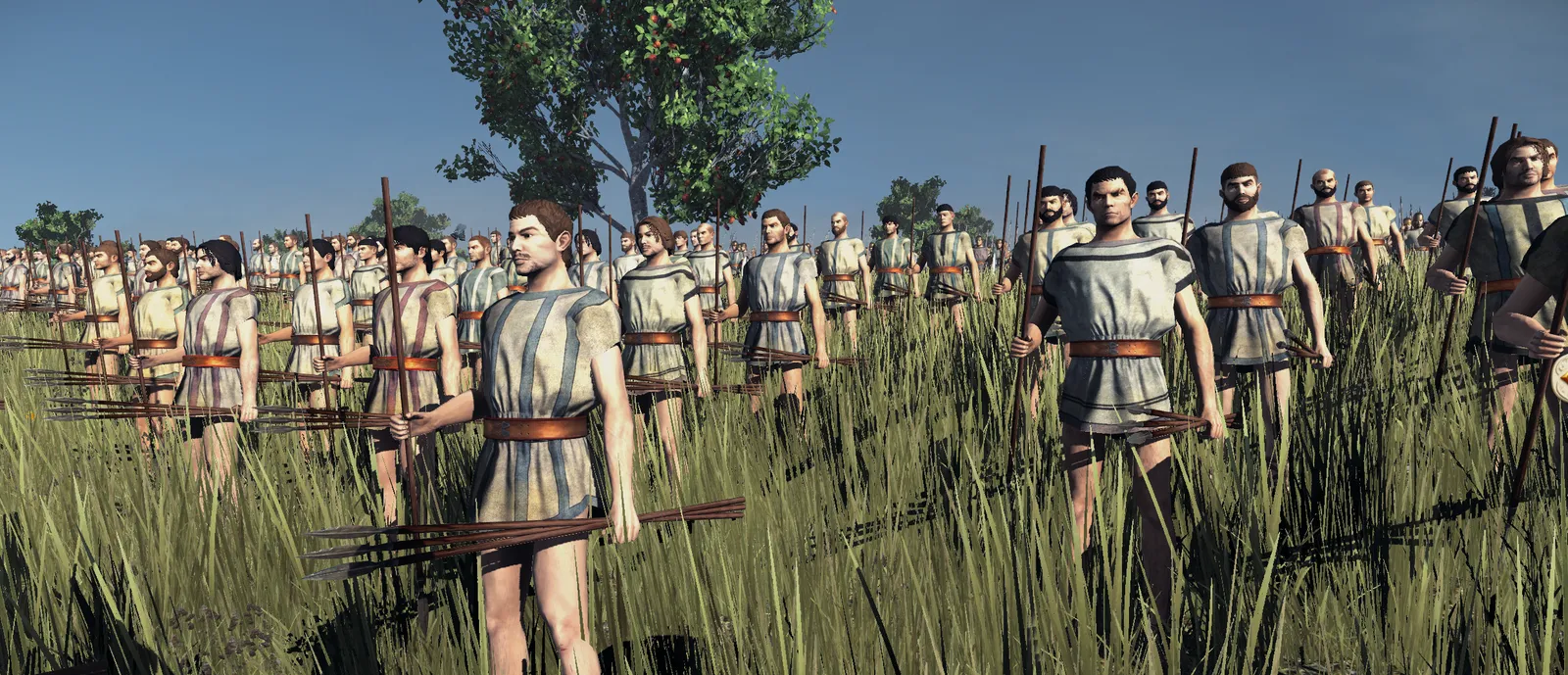
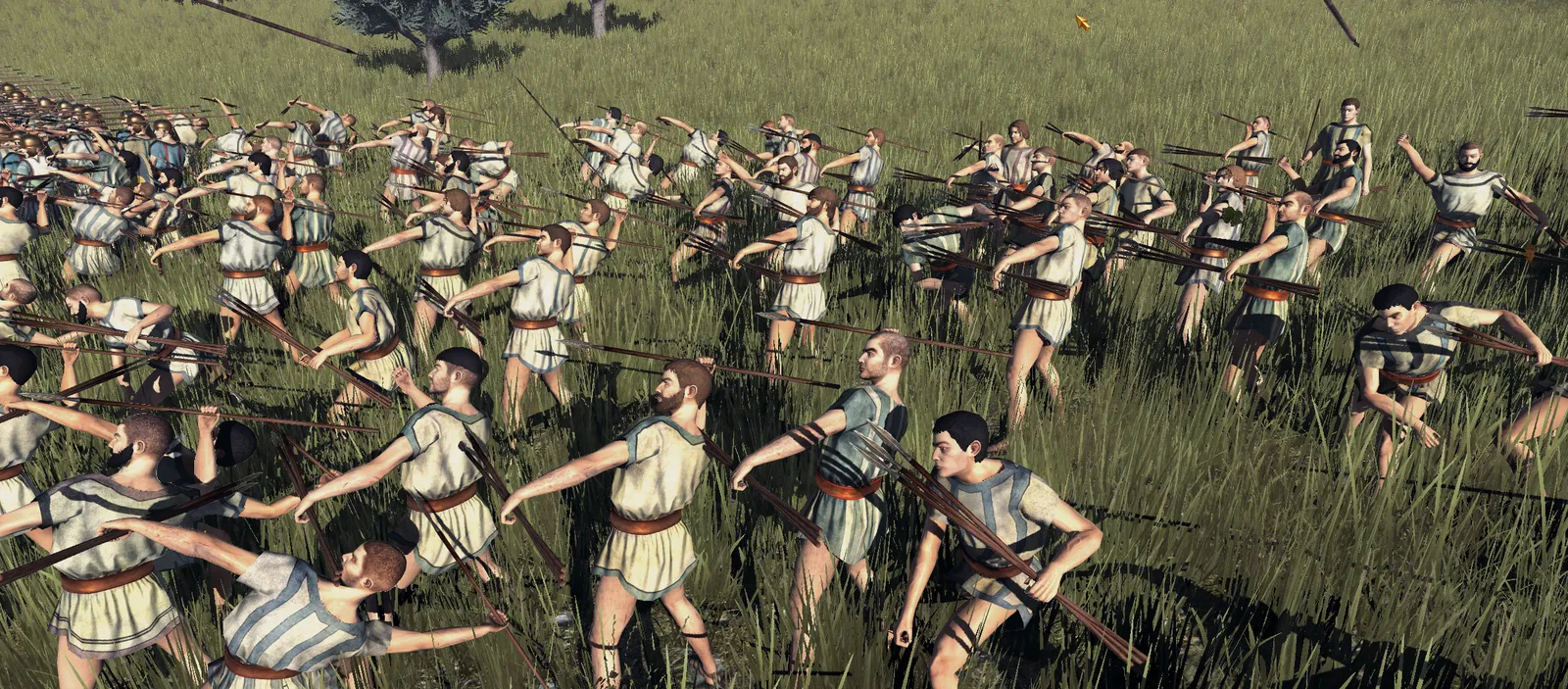
Their roster includes the following units: Picentine Skirmishers, a missile unit which, like Greek akontistai, is just armed with javelins.
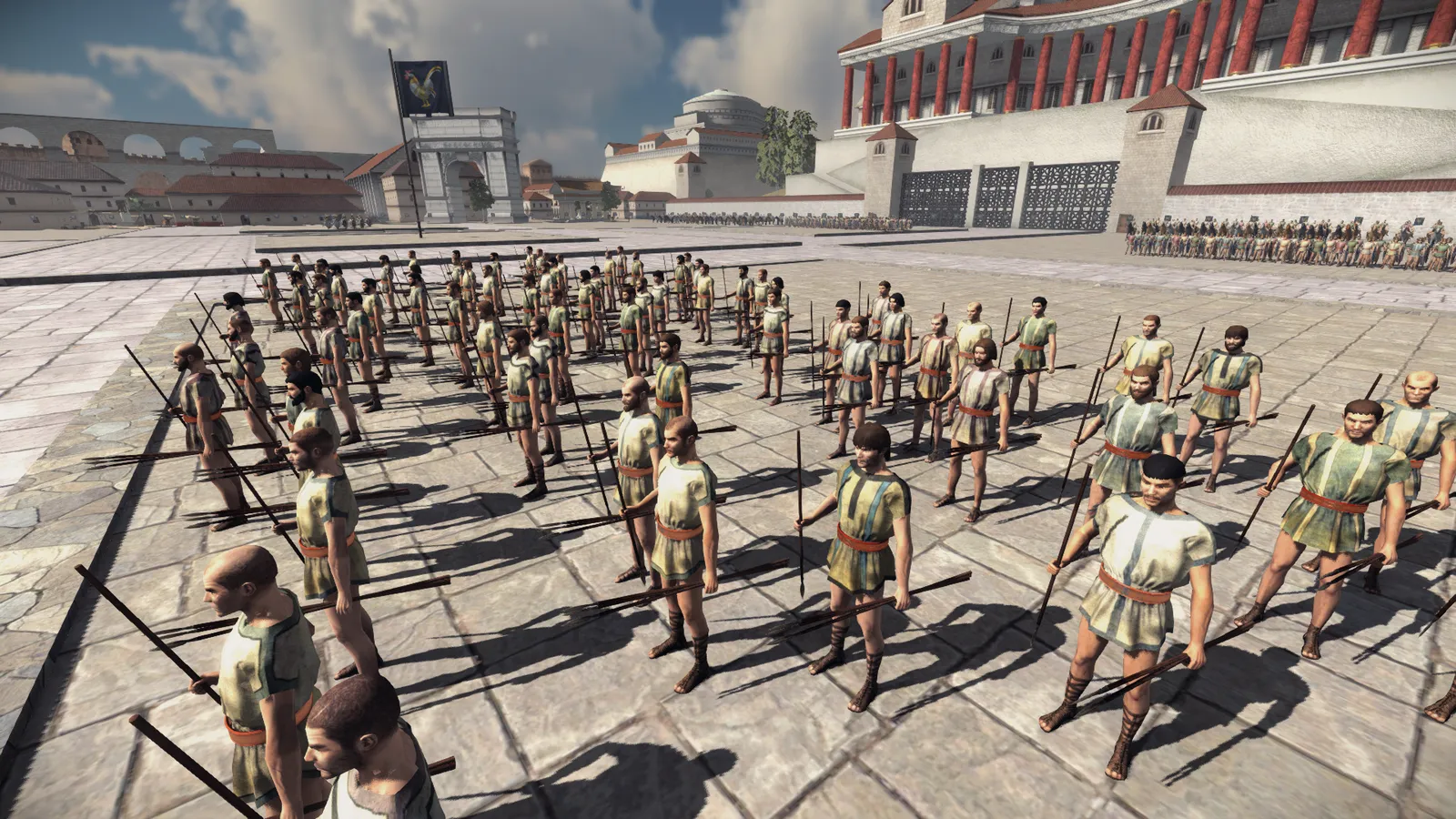
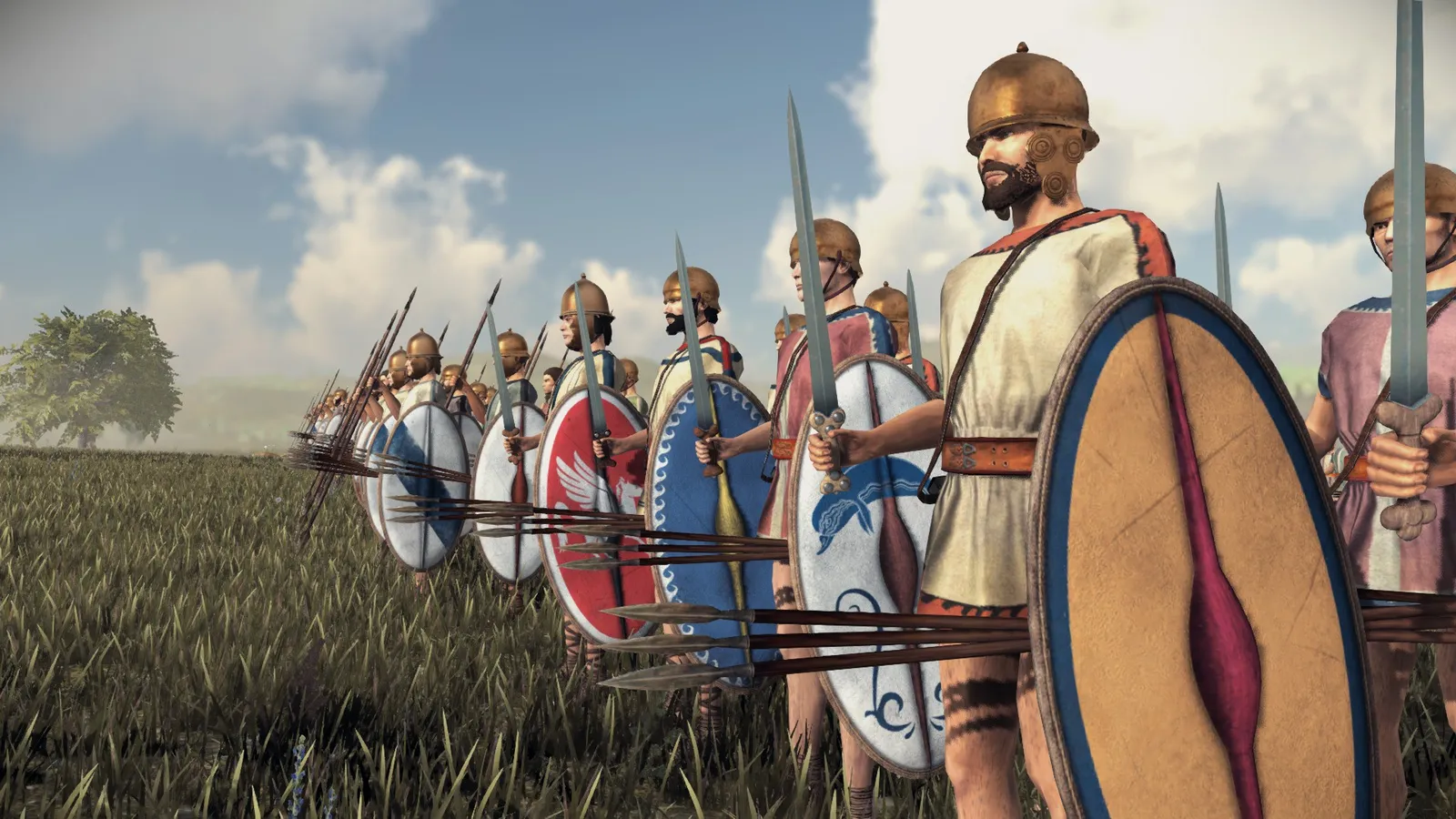
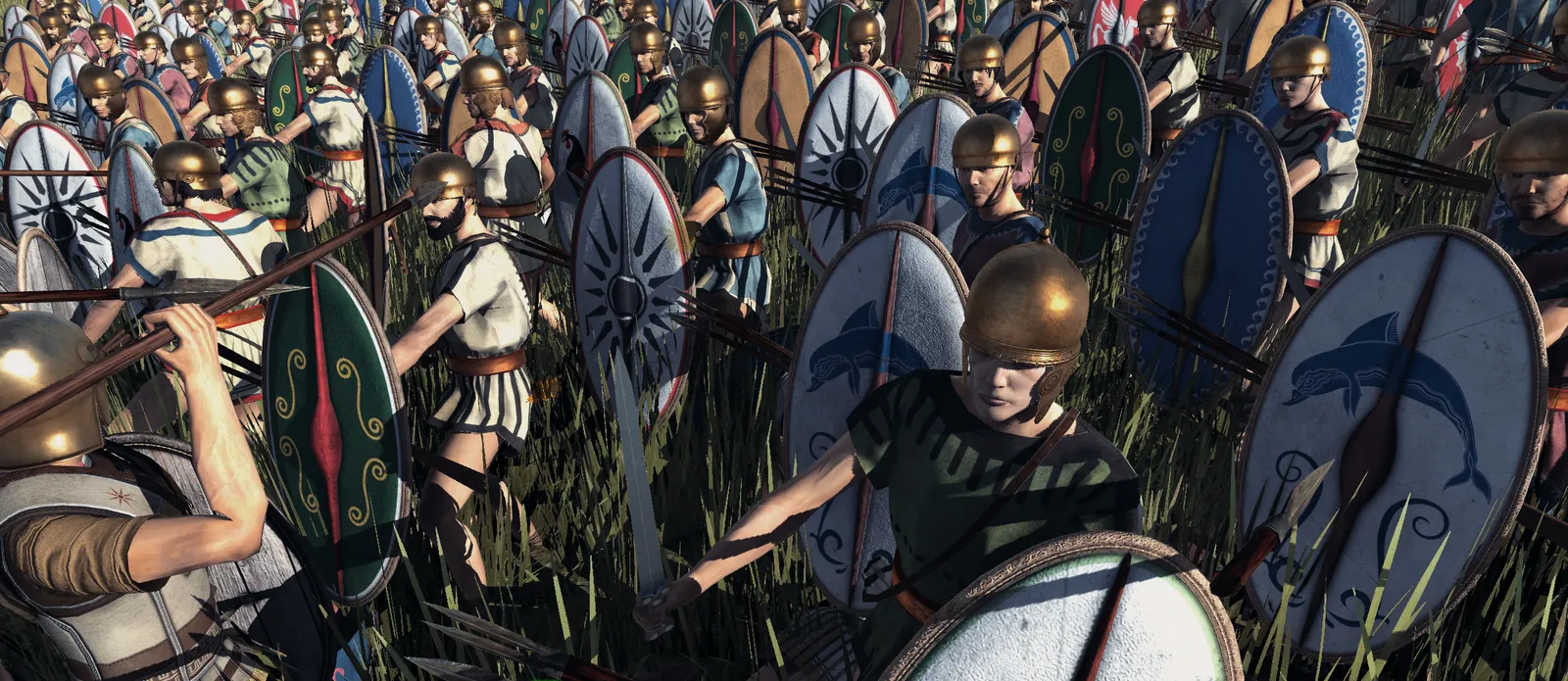
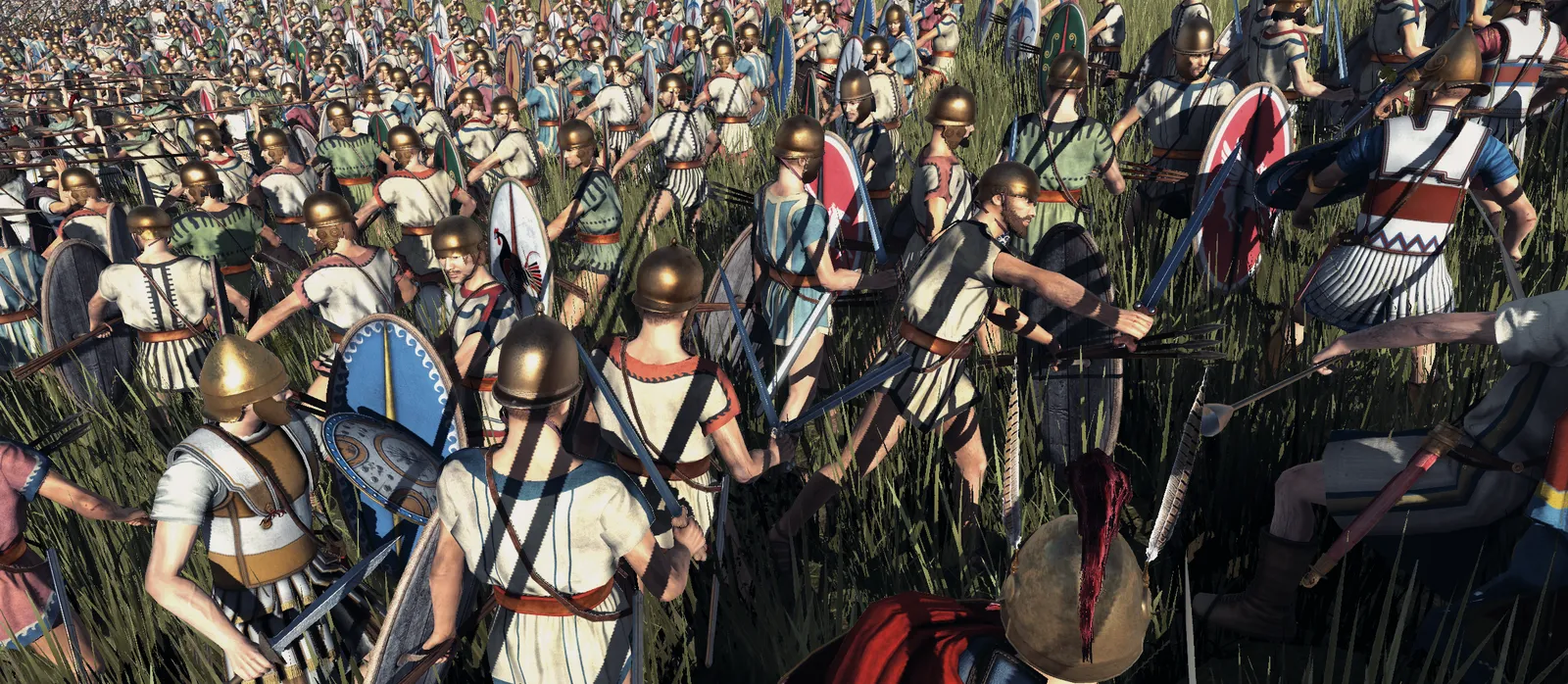
Next, there are Picentine Swordsmen, based on findings of La Tène swords and scabbards in Picenum.
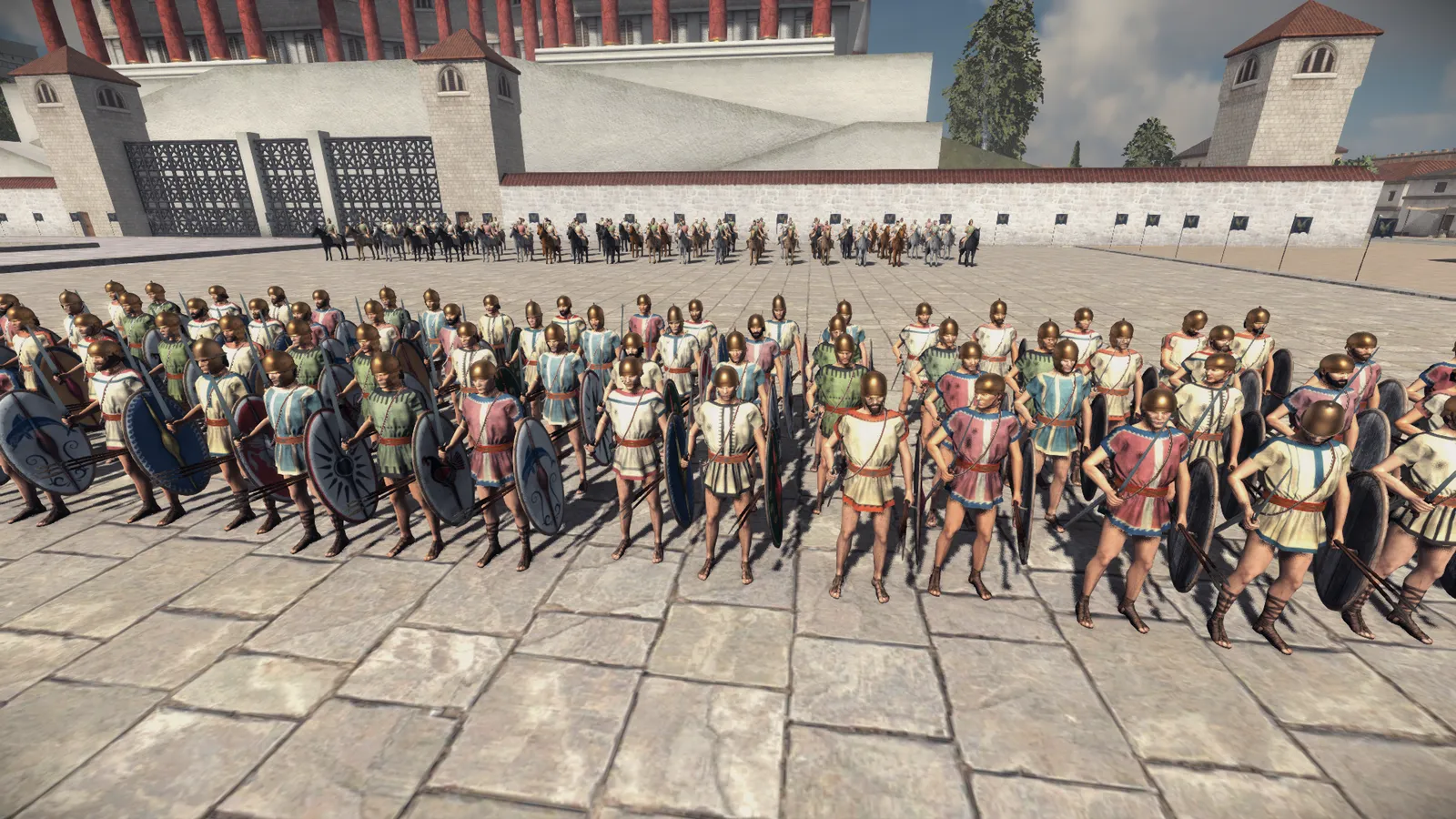
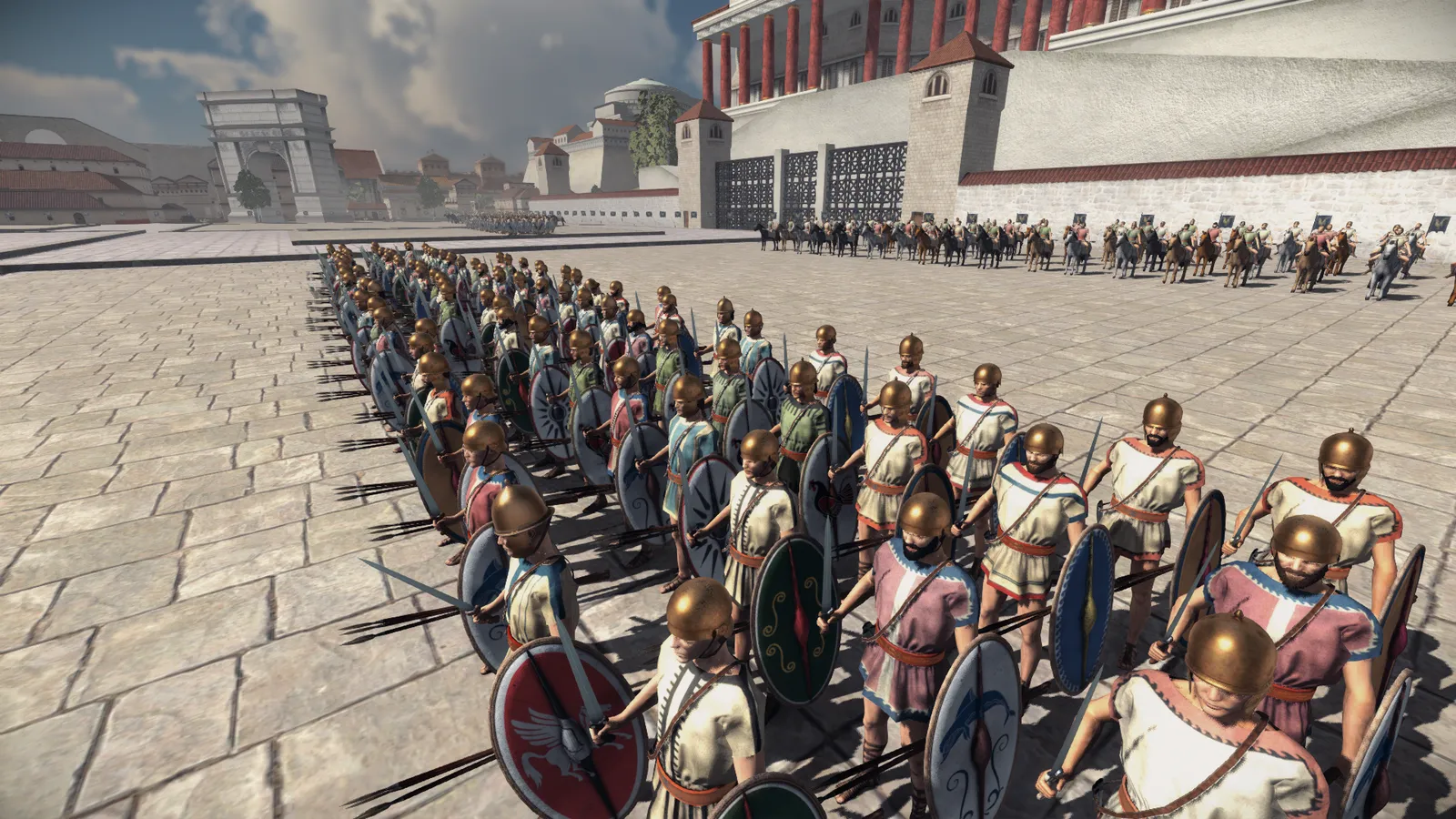
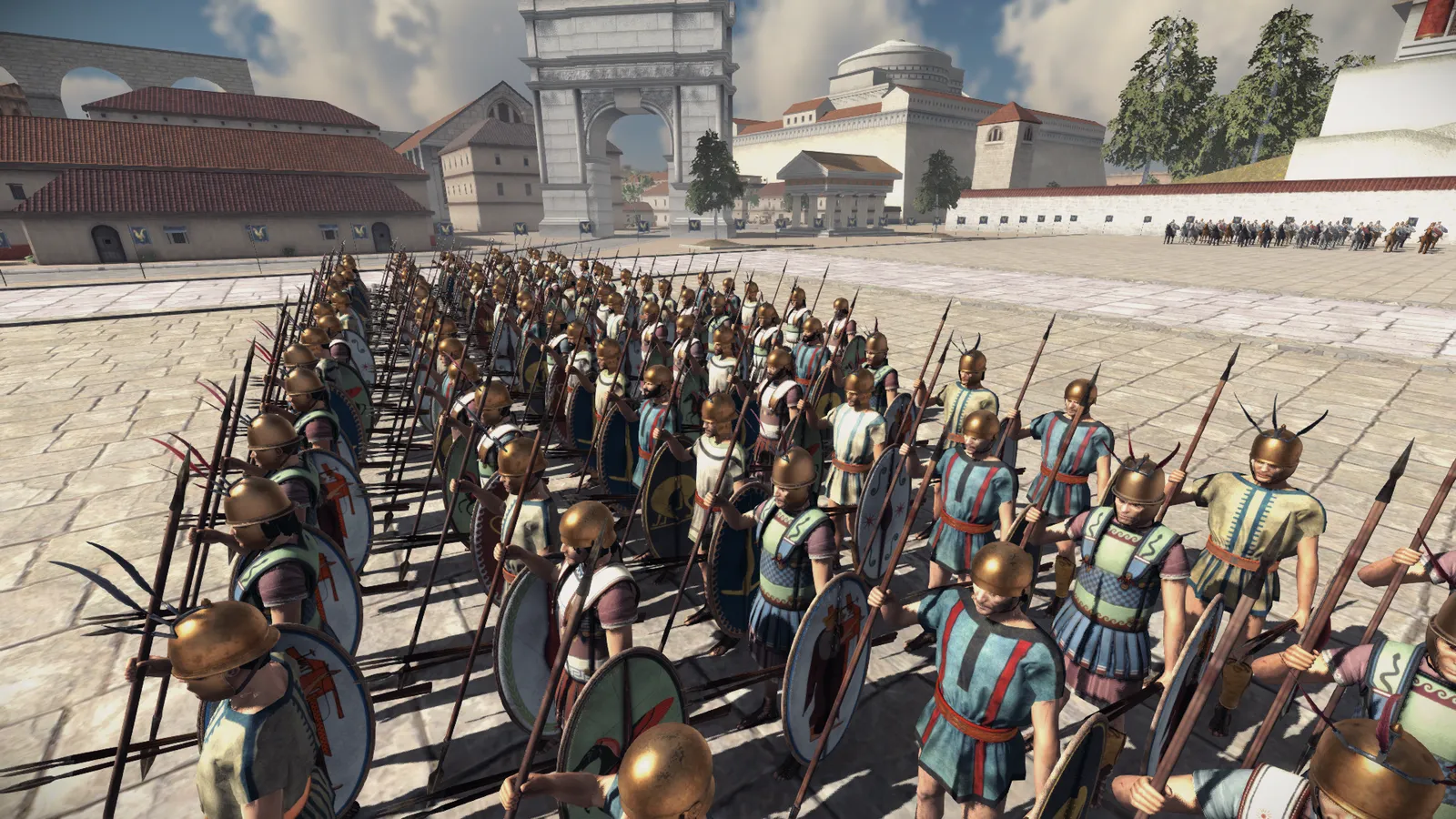
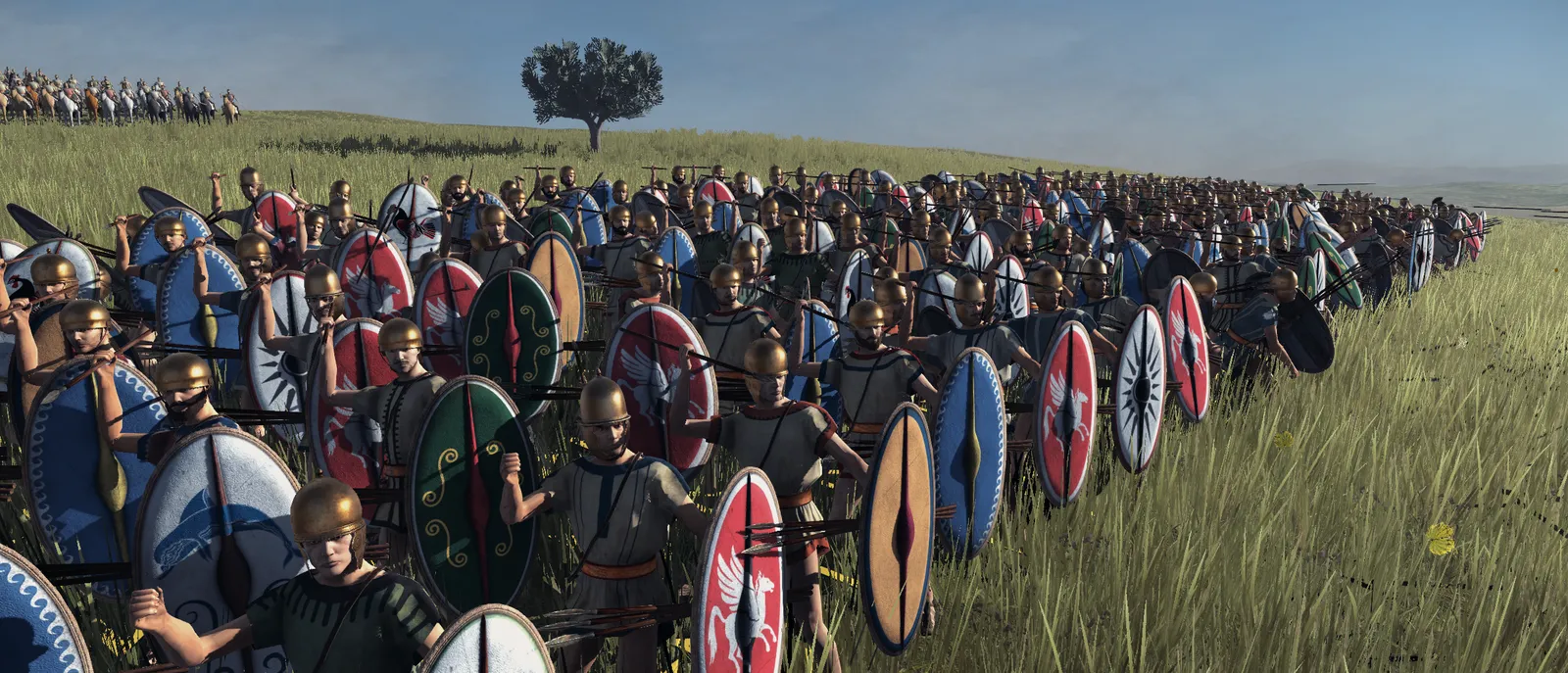
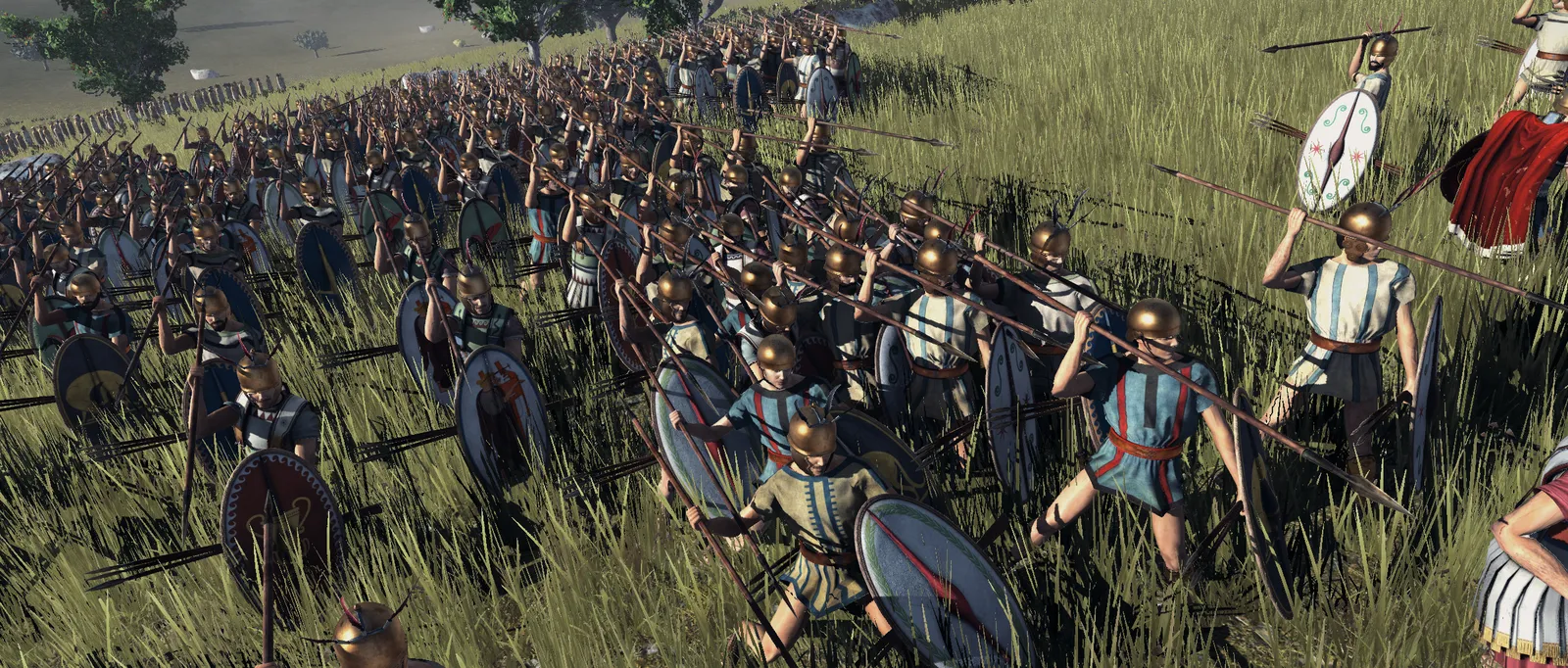
The Picentine Spearmen are a basic low-tier infantry that may be used to fill the ranks.
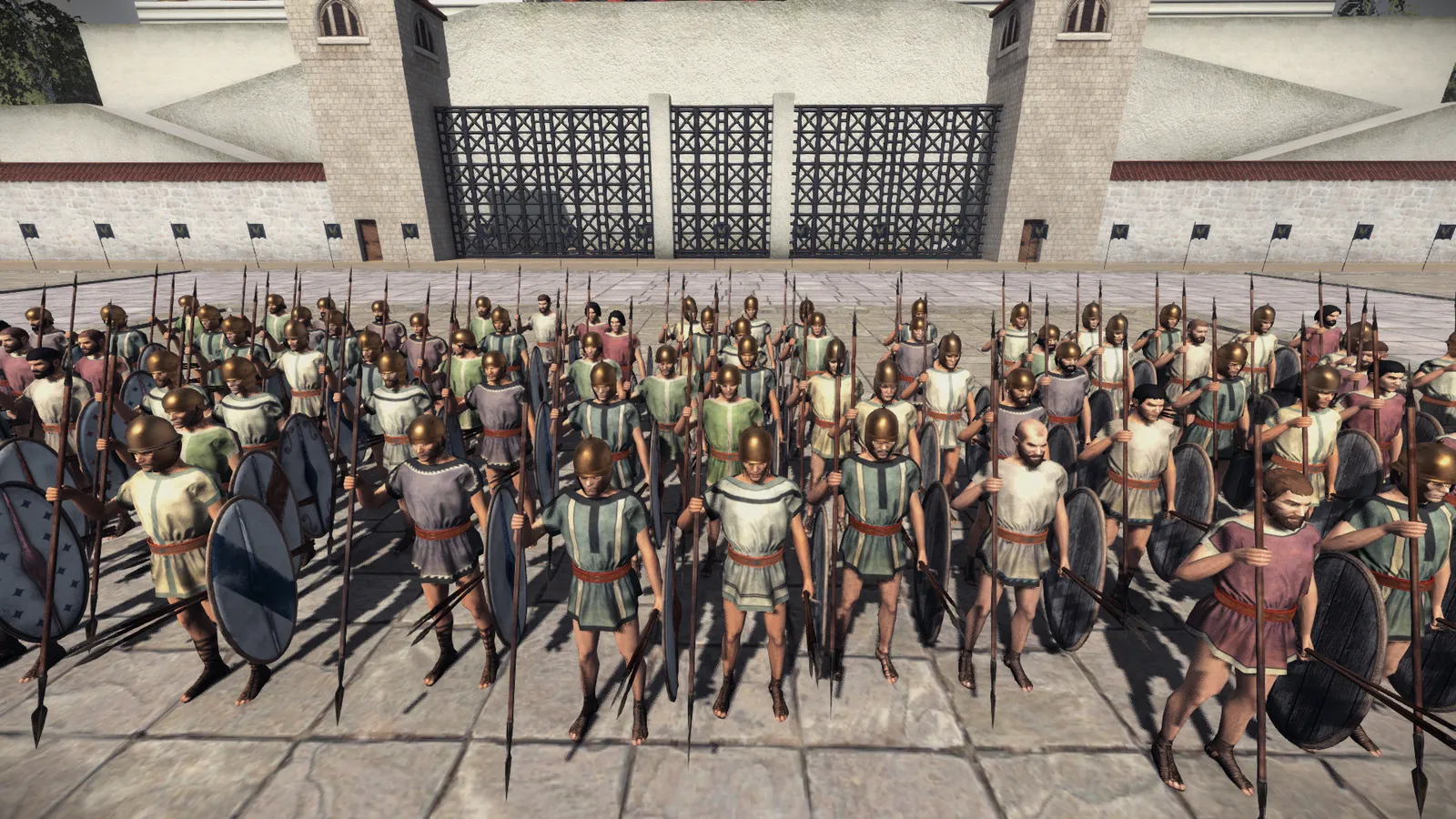
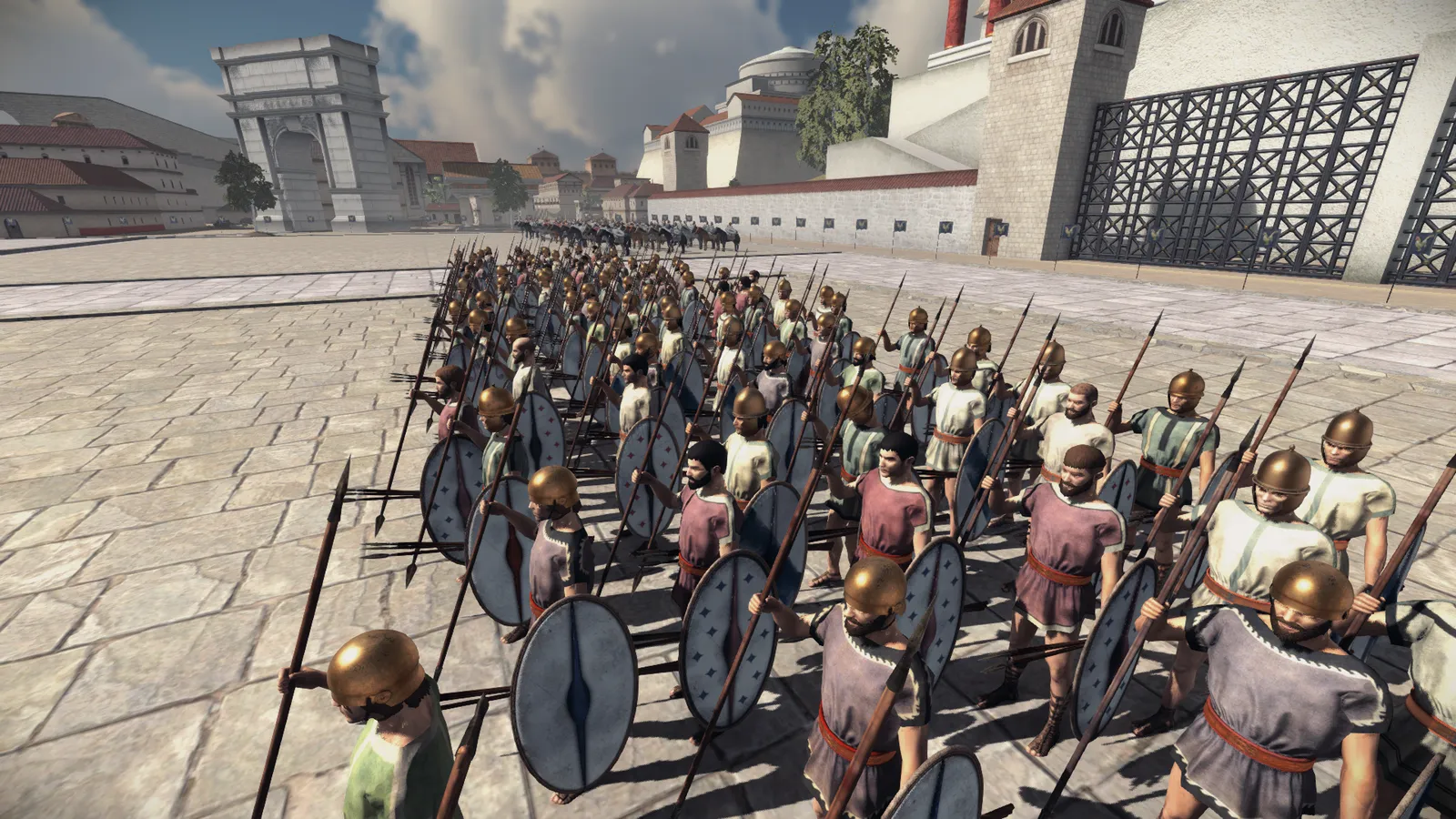
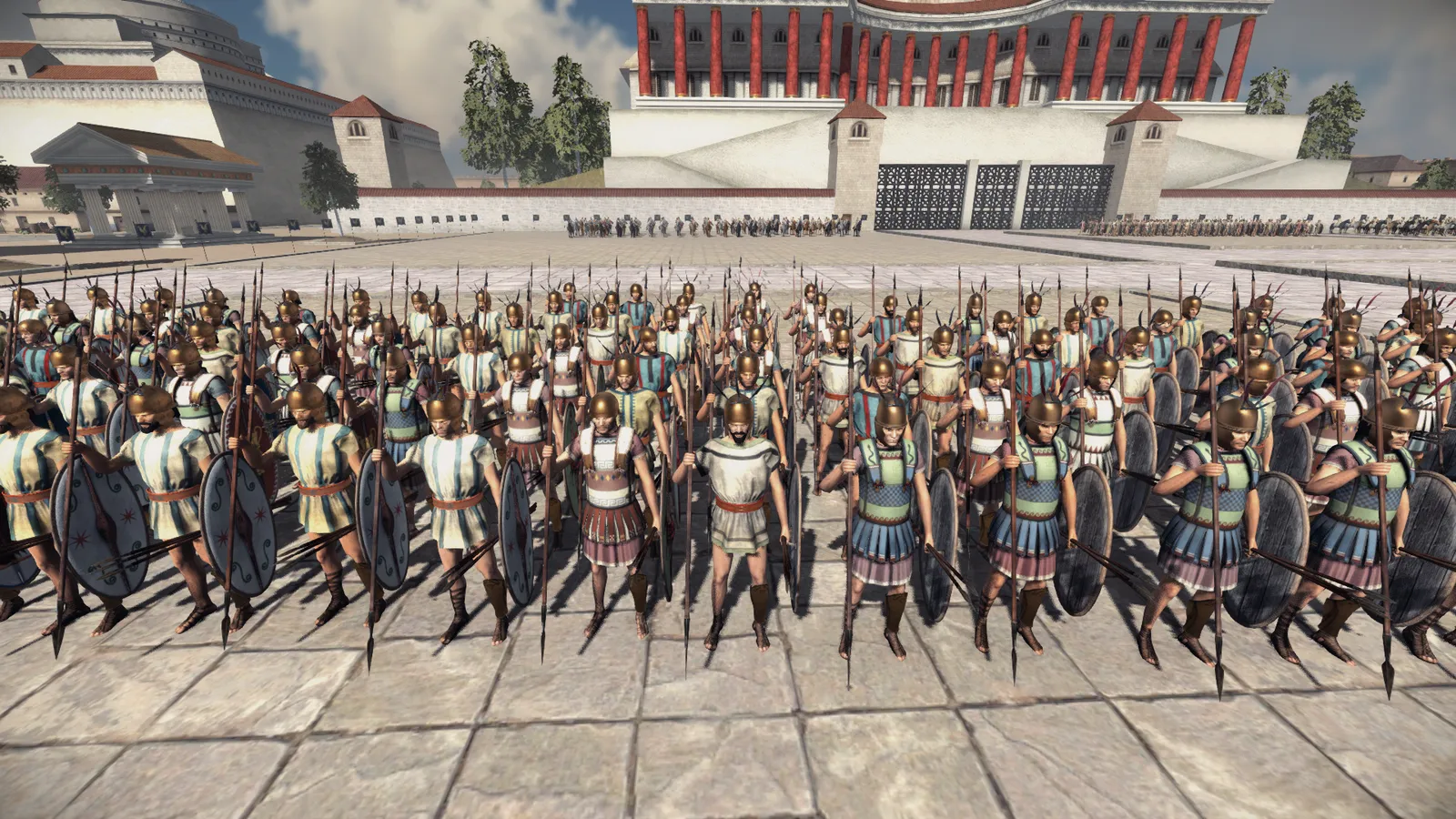
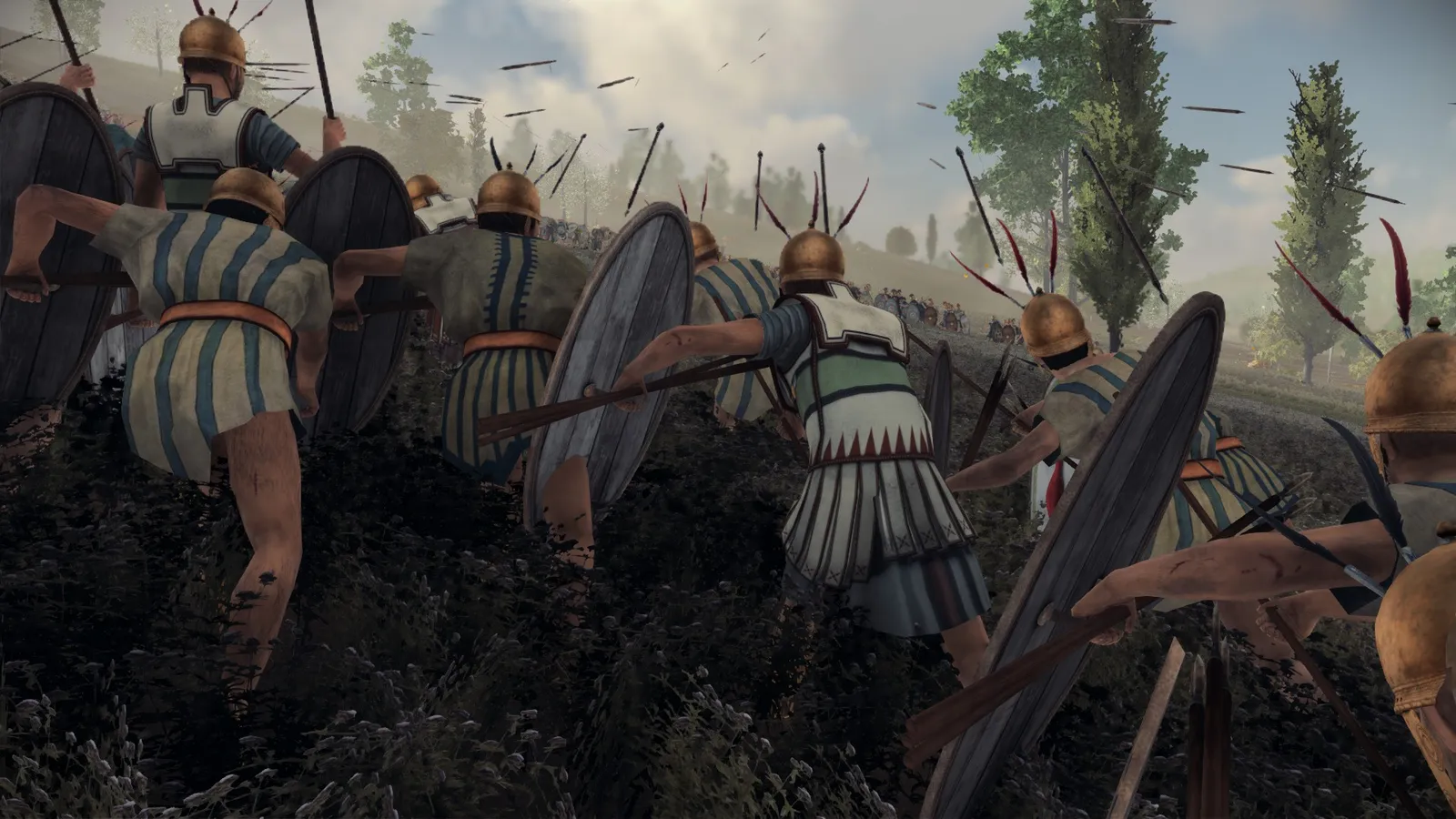
The Picentine Heavy Spearmen are a high-tier spear infantry unit that can more reliably serve as main line soldiers; the feather decoration on their helmets shows Roman influence.
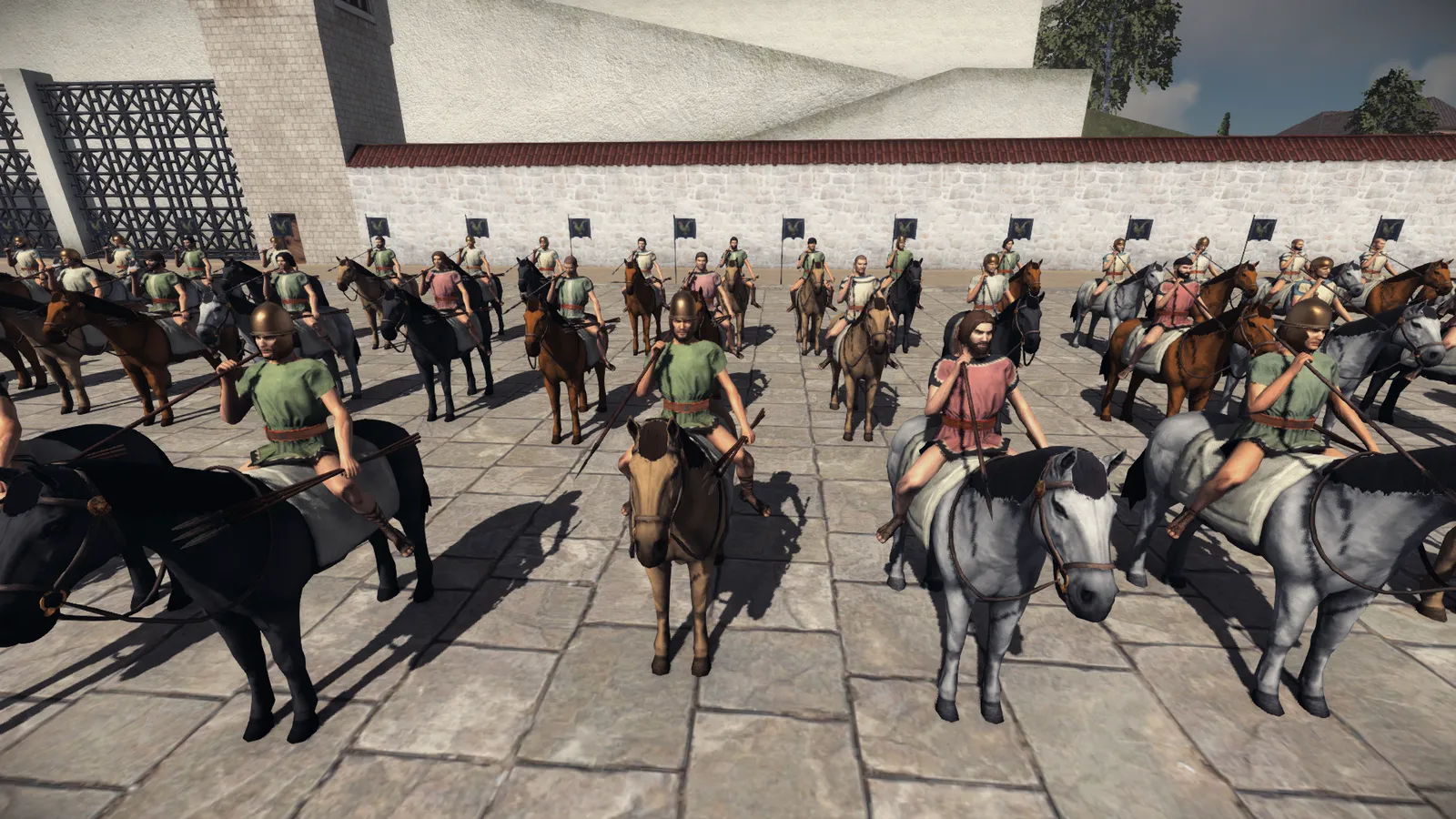
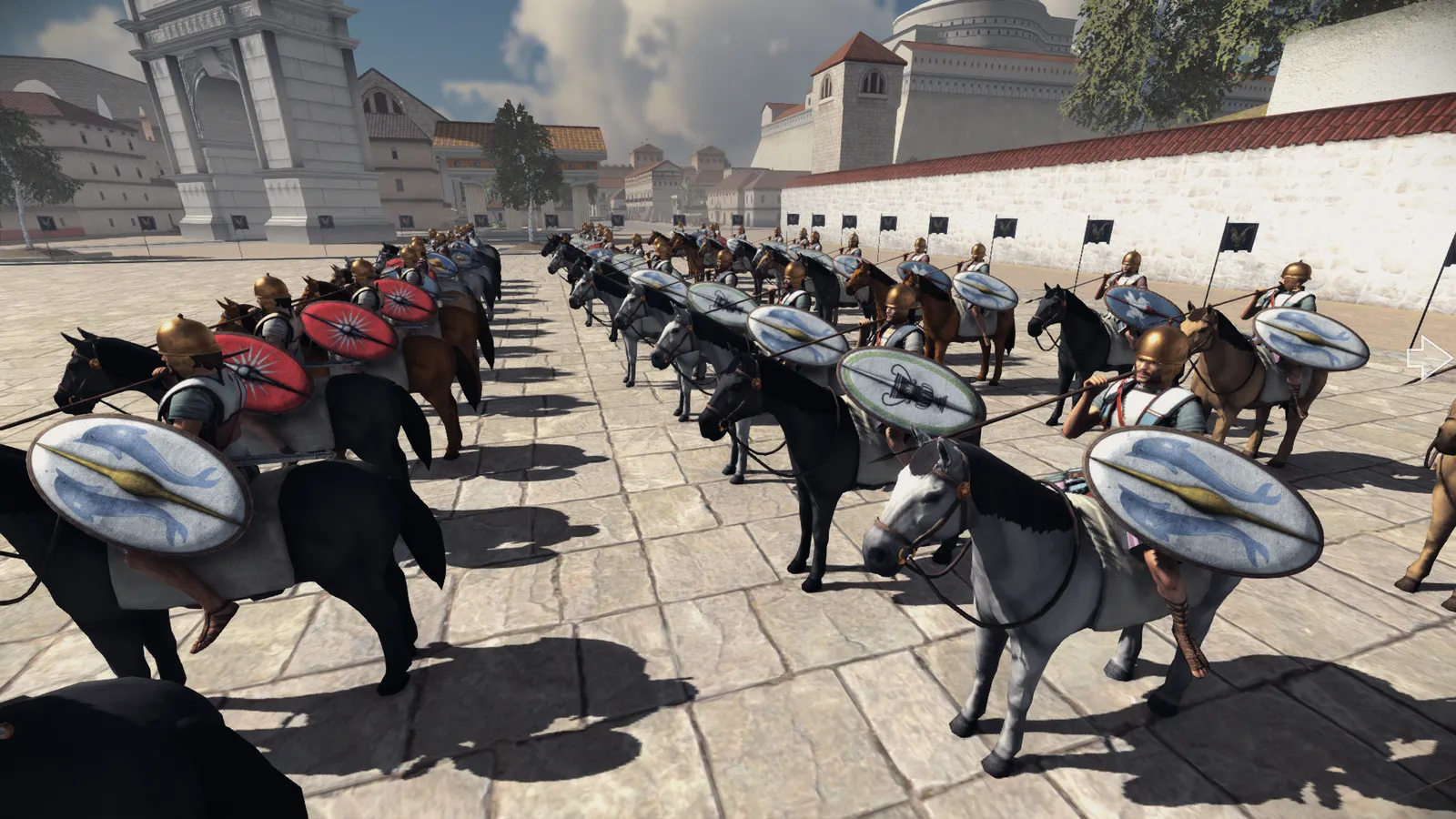
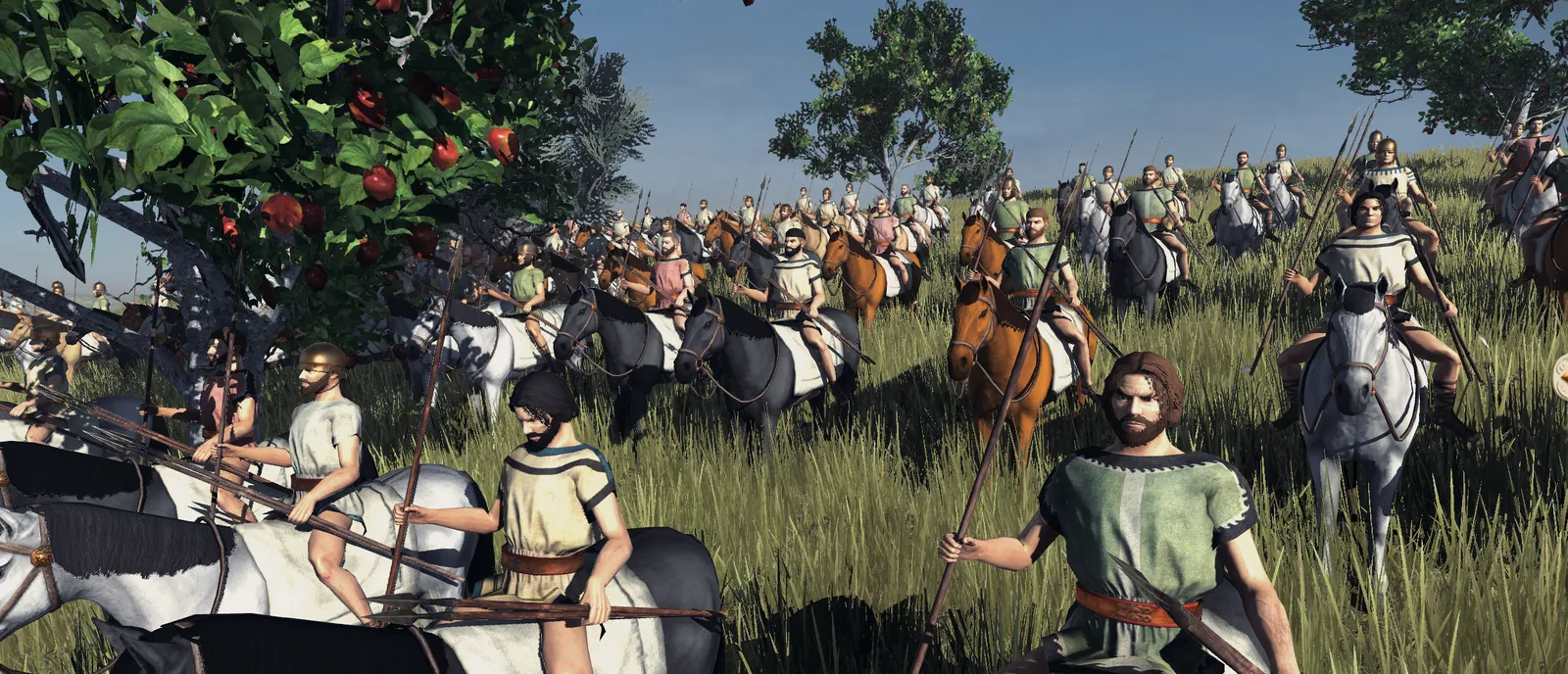
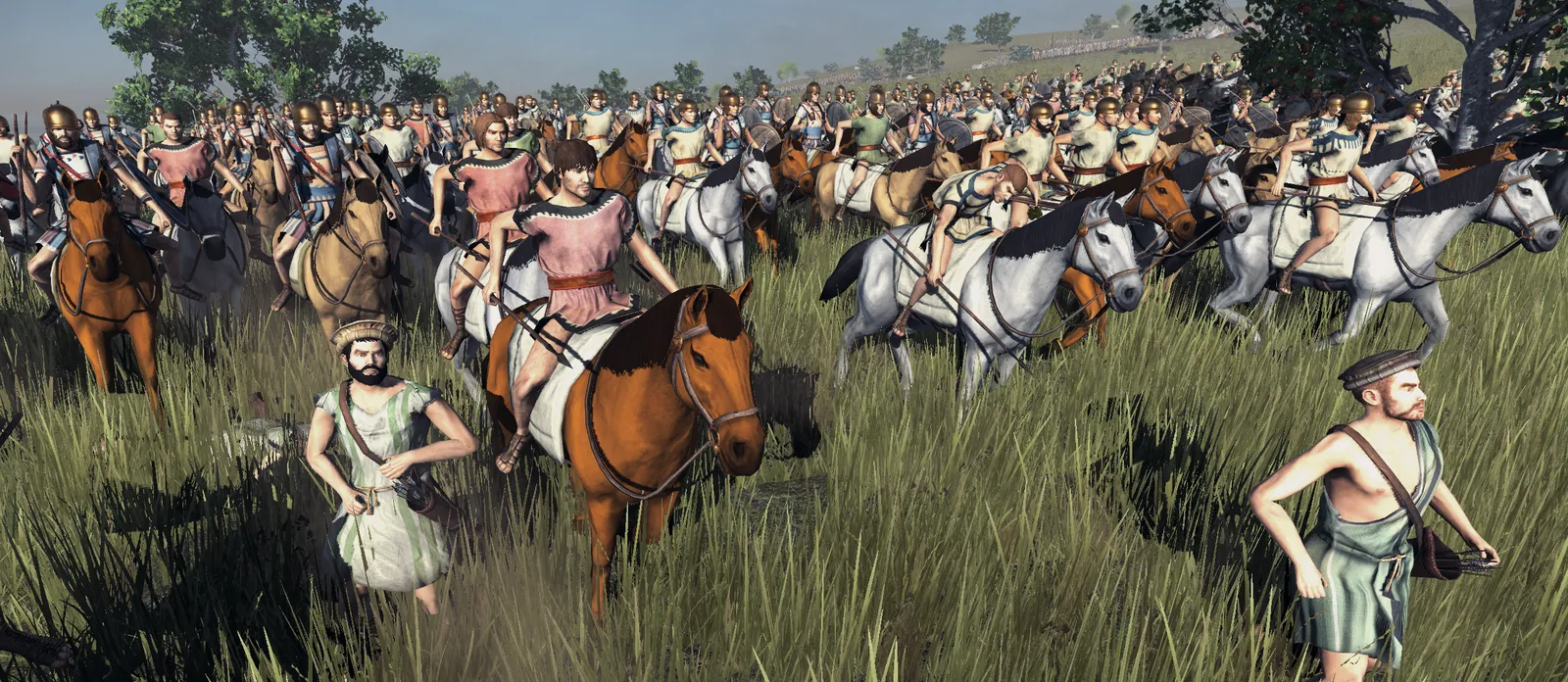
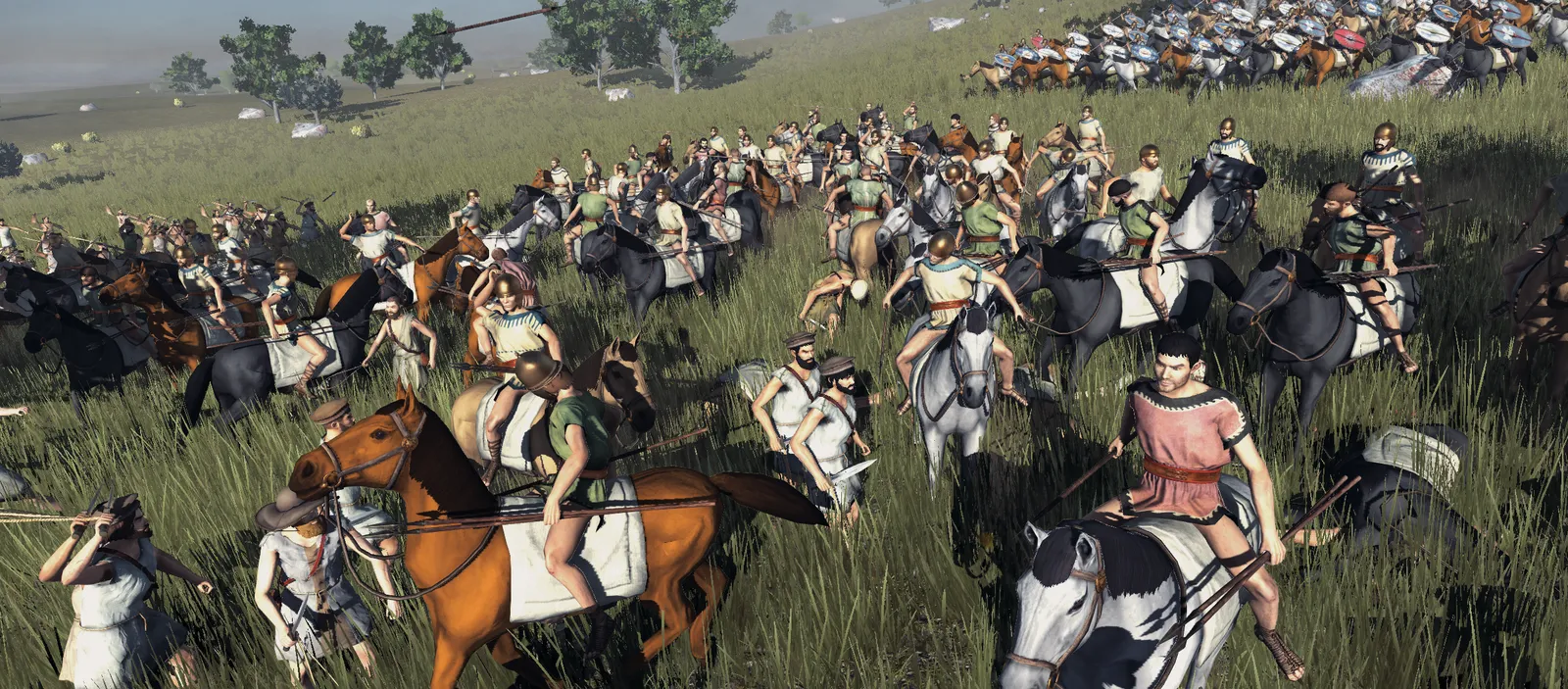
Though we don’t have much evidence on Picentine Cavalry, we gave them at least two unit to round off their roster, which includes a light cavalry unit for scouting.
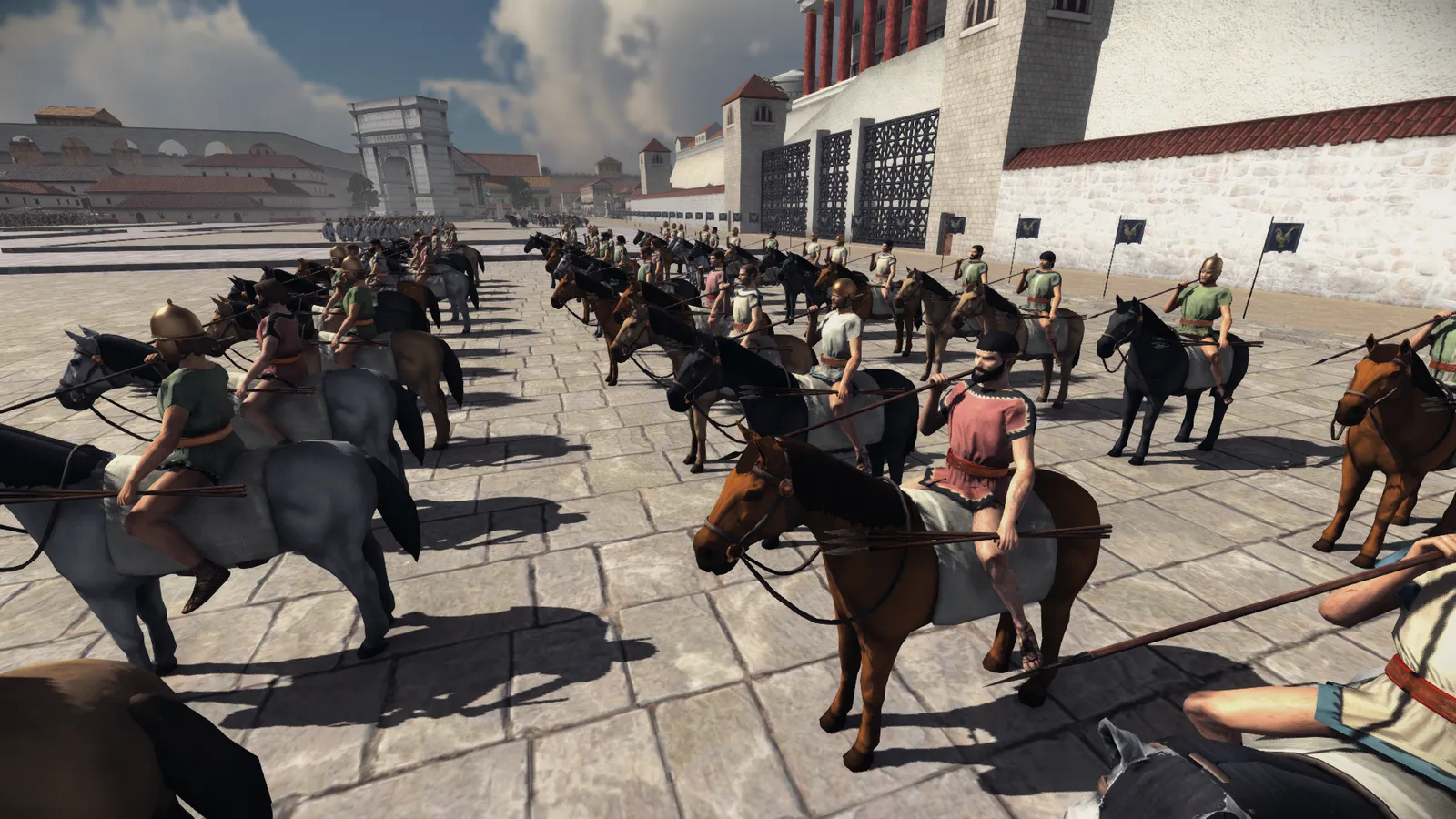
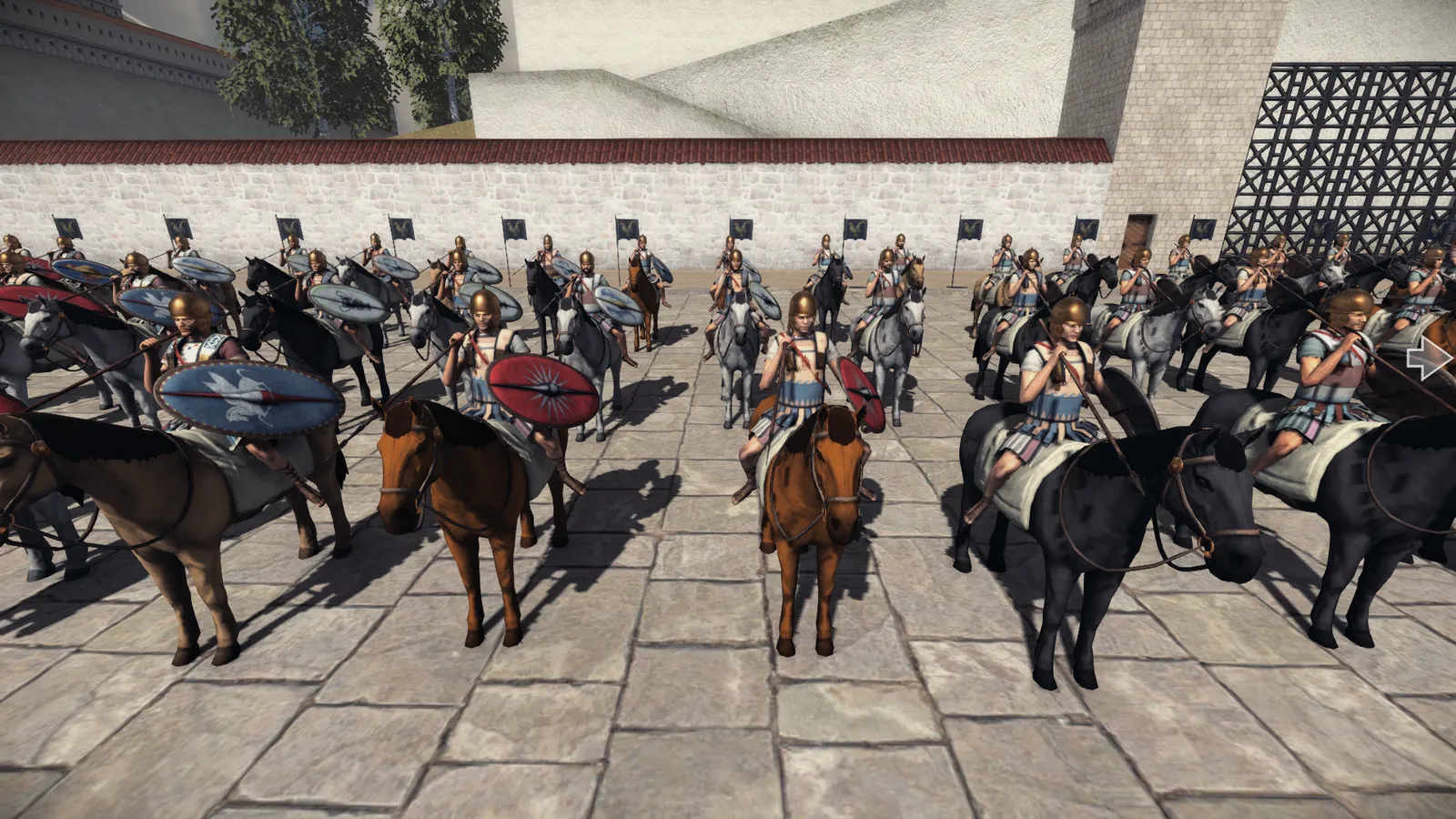
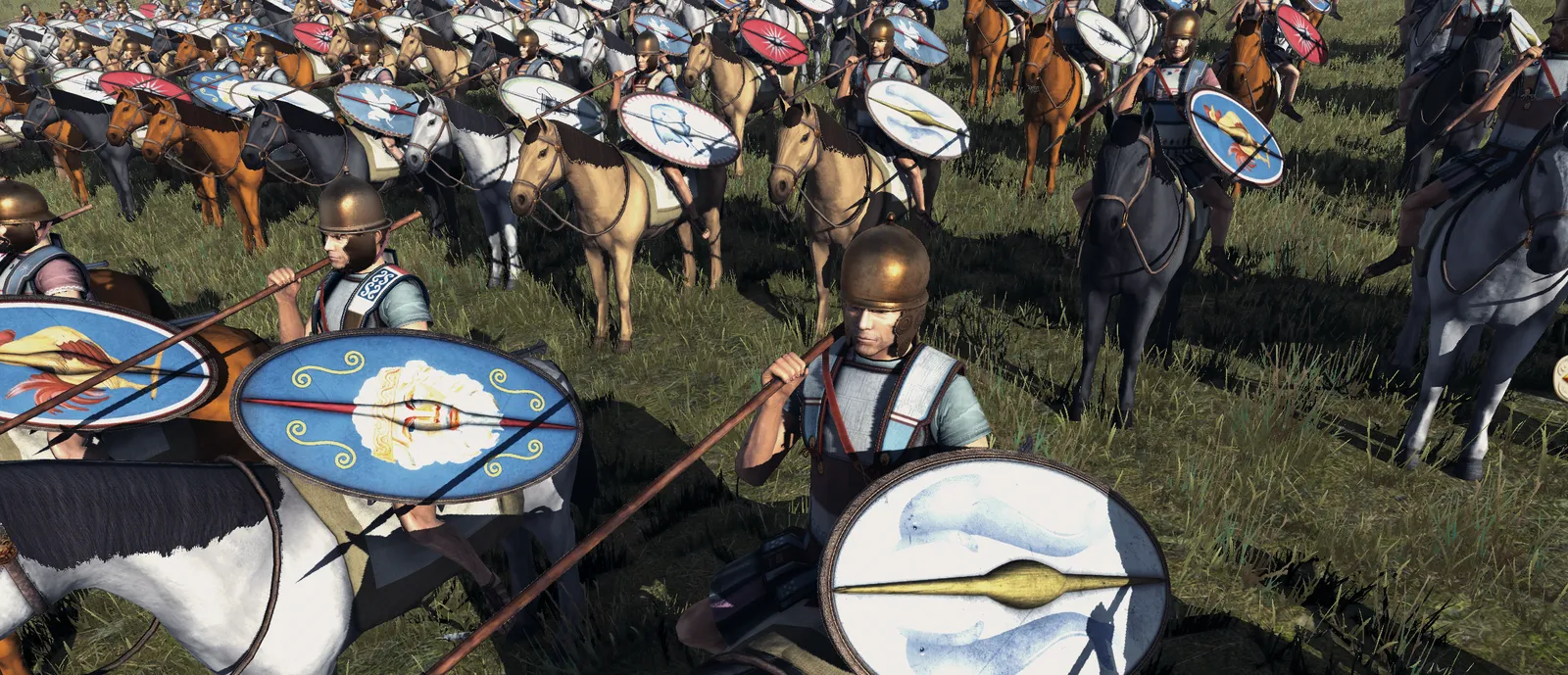
As well as Picentine Heavy Cavalry that are more dependable in battle.
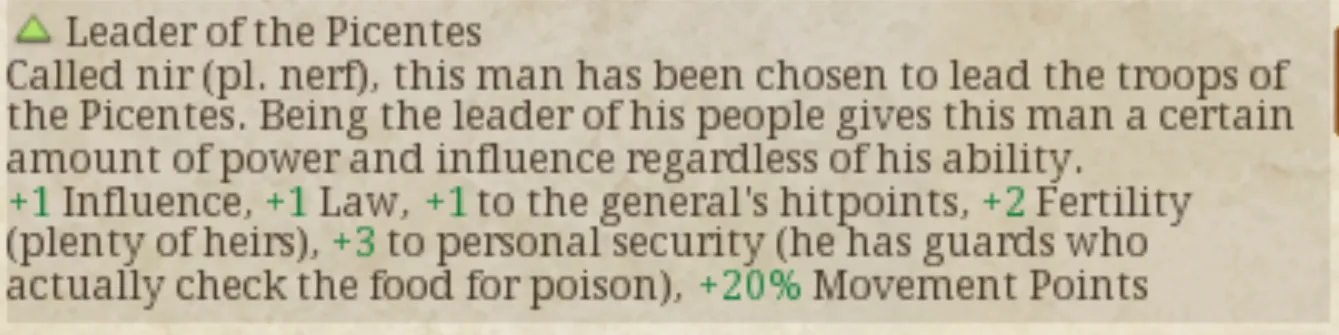
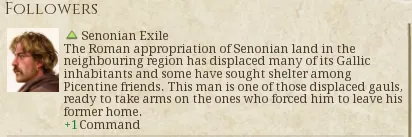
Of course, some new traits, as well as some unique ancillaries await you, when playing this faction:



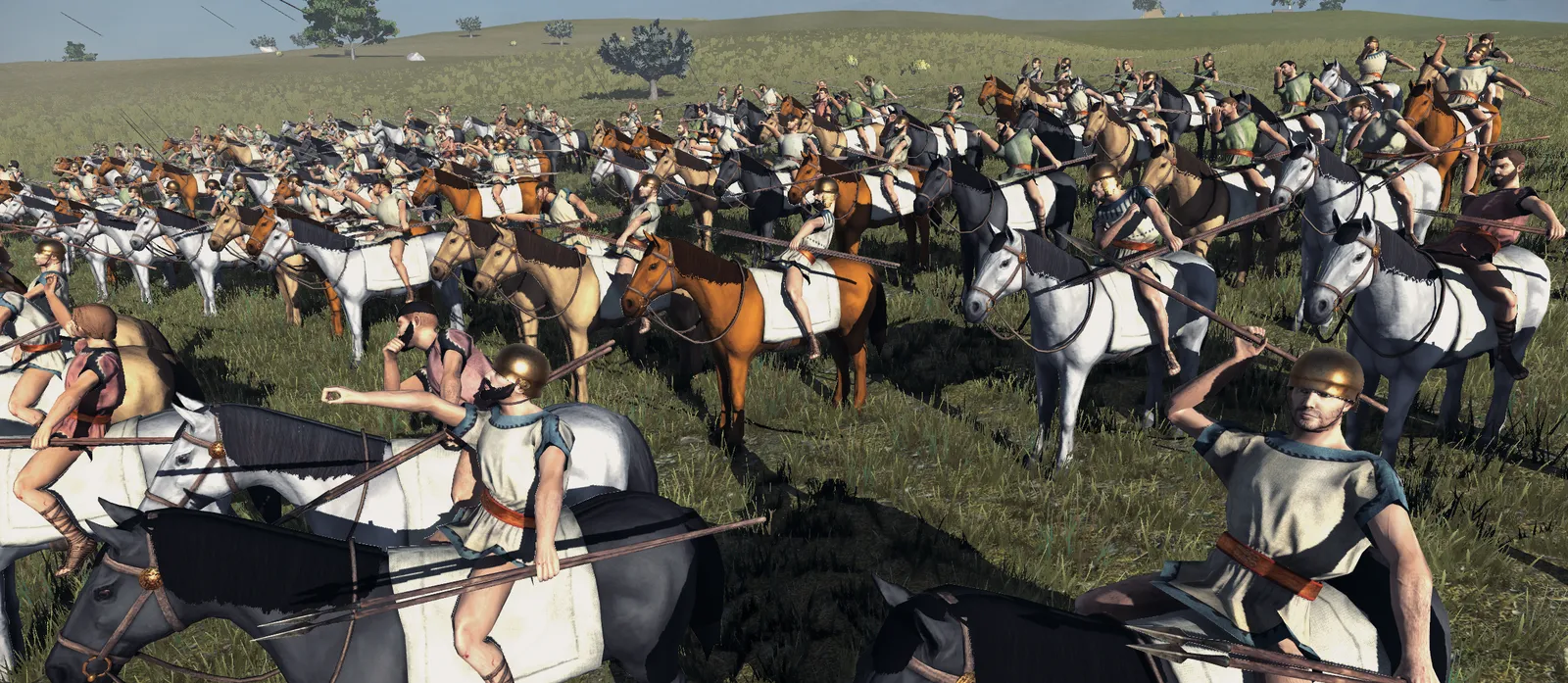
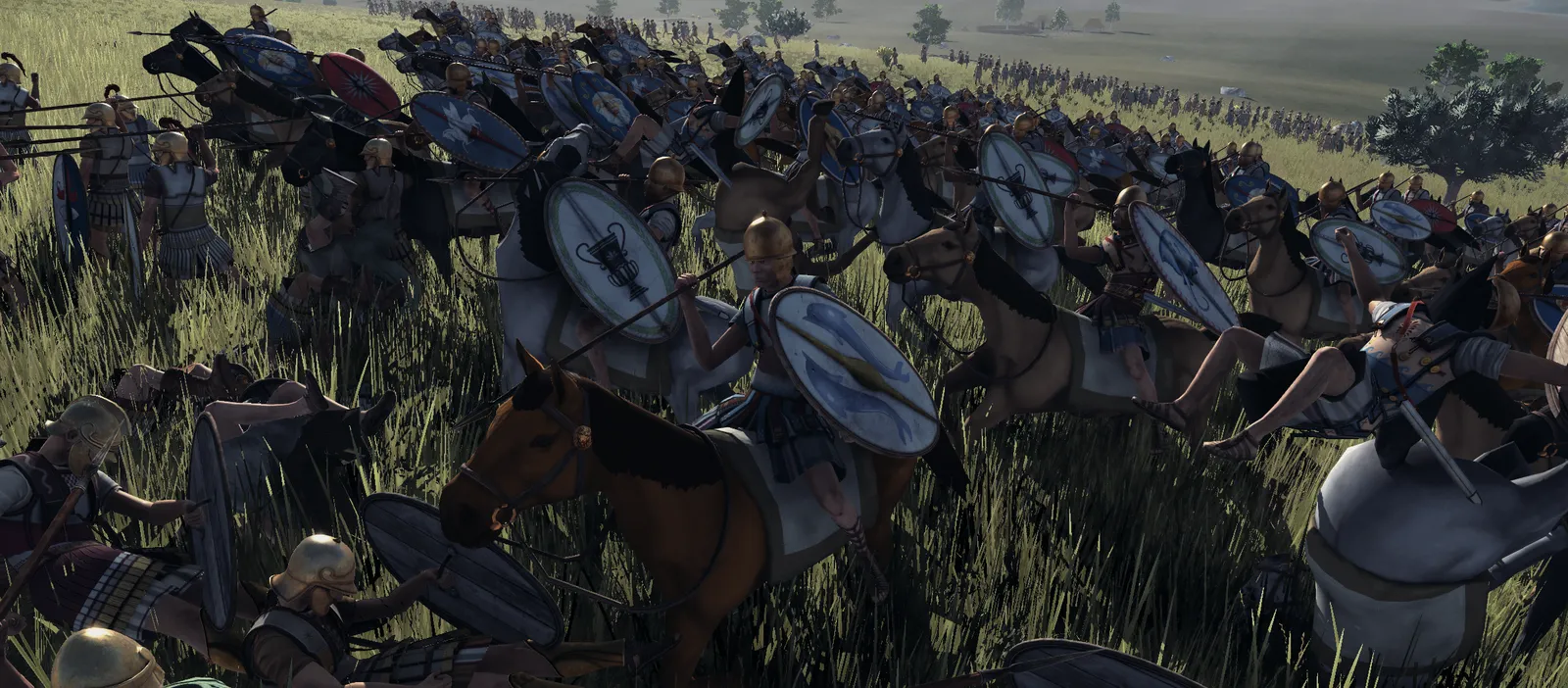
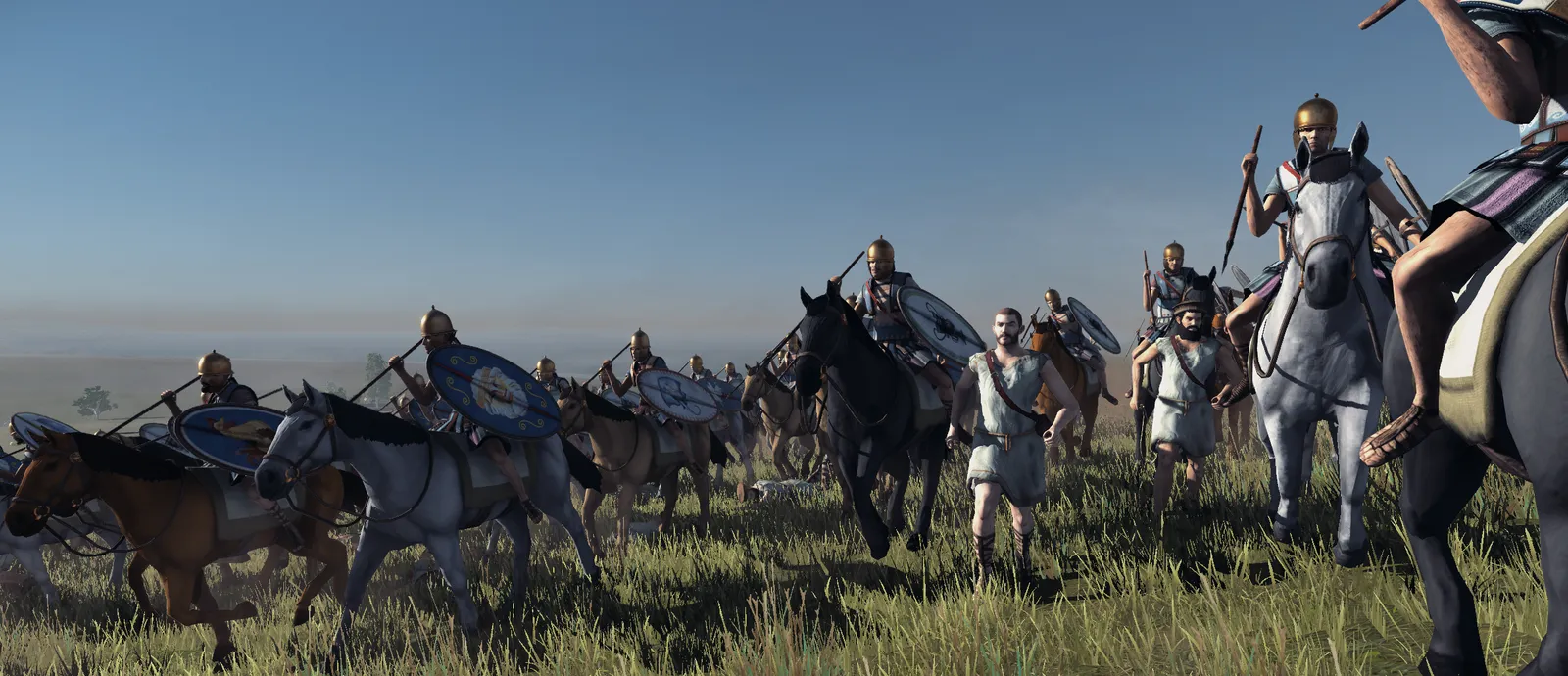
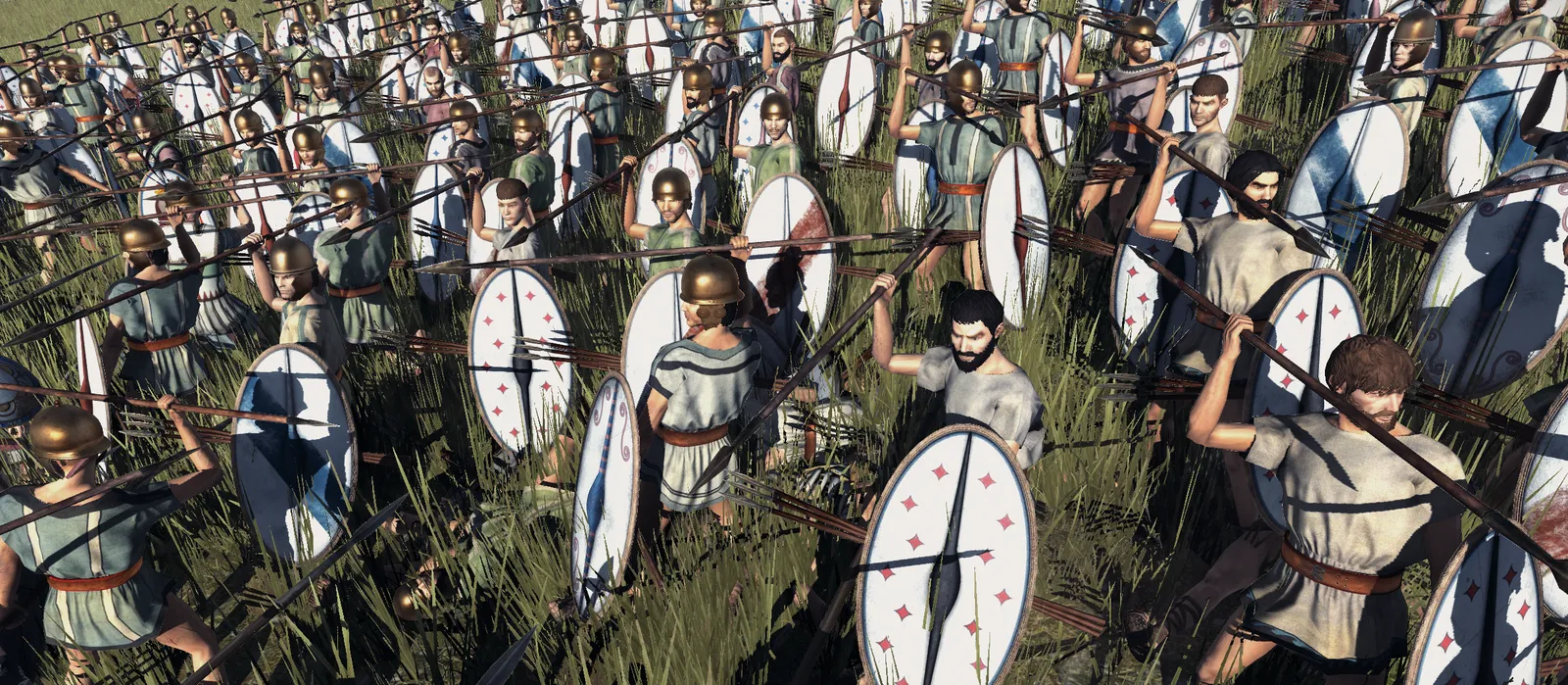
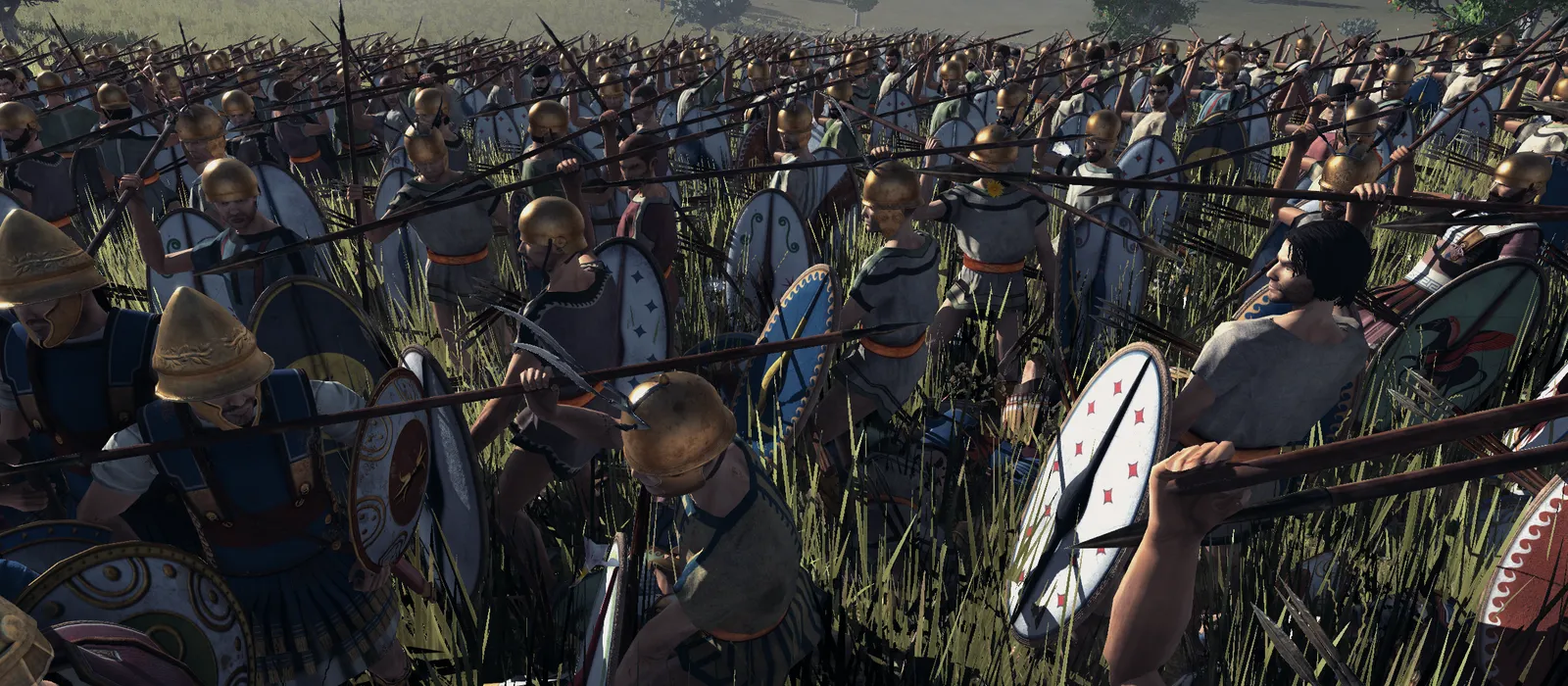
Last but not least, here are some amazing new action shots of the new units!
This concludes our Picenum Dev Diary. Feel free to discuss it in out a channel as always and see you for the next one!