
The Lycian Revolt
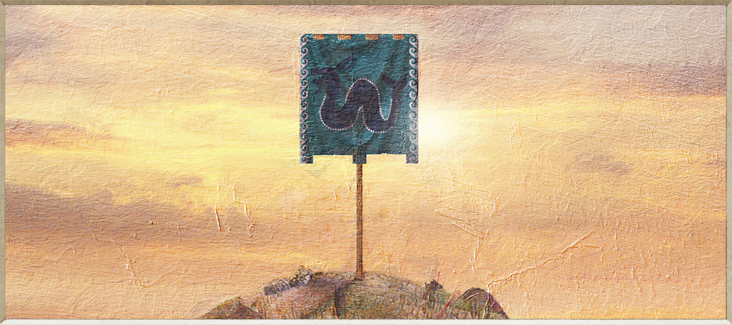
Breaks away: Lycian League from The Ptolemaic Empire, or whoever holds the Lycian cities at the time
The six Lycian cities of Patara, Xanthos, Tlos, Limyra, Myra and Telmessos break away from whoever holds them, at the start of the campaign the Ptolemaic Empire, and form the Lycian League. It can happen early when one of the cities rebels while Lycia is under Rhodian or foreign rule, and it happens anyway at turn 102 (245 BC).
Every campaign, whoever holds the Lycian cities, human or AI.
What sets it off
- If one of the six Lycian cities rebels by itself through unrest, and Rhodes has held 3 or more of the six cities for more than 10 rounds in total (not necessarily in a row), the whole of Lycia revolts.
- From turn 72 (253 BC), if one of the six Lycian cities rebels by itself through unrest while 4 or more of the six are held by factions other than the Ptolemaic Empire, the Seleucid Empire and Rhodes, the whole of Lycia revolts.
- If neither of these has happened, the revolt happens at turn 102 (245 BC), no matter who holds the cities.
What happens
- At the start of the next turn Patara, Xanthos, Tlos, Limyra, Myra and Telmessos all rebel against whoever holds them.
- All six cities pass to the Lycian League, which did not exist until now.
- Each city gets a strong garrison, 3.5 times normal strength, drawn from Akontistai, Greek Slingers, Lycian Archers, Lycian Marines, Lycian Hoplites, Lycian Drepanophoroi, Prodromoi and Xystophoroi.
- When Patara revolts, the Lycian League receives 10,000 denarii.
- The revolt happens only once per campaign.
The settlements that revolt (6):
| Settlement | Held at the campaign start by | Settlement | Held at the campaign start by | Settlement | Held at the campaign start by |
|---|---|---|---|---|---|
| Patara | Ptolemaic Empire | Xanthos | Ptolemaic Empire | Tlos | Ptolemaic Empire |
| Limyra | Ptolemaic Empire | Myra | Ptolemaic Empire | Telmessos | Ptolemaic Empire |
Playing as the rebels
If you, the human player, held at least one of the six Lycian cities when the revolt began, a message titled 'The Lycian League declares its independence!' appears a turn or so later and offers to let you play as the Lycian League. If you accept, you switch to playing the Lycian League and a government building is placed in Patara, Xanthos, Tlos, Limyra and Myra. No offer is made if you held none of the six cities.
The in-game message: The Lycian League declares its independence!
Long have the Lycians suffered foreign tyranny, at times being treated no better than slaves, their good names besmirched. No more! They have driven the oppressors out of their cities. Lycia shall enjoy good governance under its own, Lycian League!
HISTORICAL BACKGROUND
In 188 BC, Lycia was made part of the Rhodian Peraia through the peace of Apameia (Plb. 21.45.6). The region had passed through the hands of many great dynasties: Achaemenid, Argead, Antigonid, Lysimachid, Ptolemaic, and Seleucid. Yet, the Rhodians were far crueller than their predecessors. The Lycians turned to Rome to complain, explaining that ‘it was not political oppression only under which they were suffering, but absolute slavery’. The Romans, moved by their plight, freed them from Rhodes in 168-7 BC (Liv. 41.6). The Lycian League seems to have formed sometime in the 180s while still under Rhodian rule. The League was made up of twenty-three cities, including some of the biggest in the region, such as Xanthos and Patara. The Lyciarch, the head magistrate, and other officials were elected from member cities. Members could have up to three votes depending on their size, though more votes demanded more contributions. Strabo spoke highly of their governance (Strab. 14.3.3). They ruled over Lycia for over 200 years until their annexation by Claudius in 43 AD (Cassius Dio, Roman History, 60.17.3–4).
Do you want to discontinue your campaign and play as the newly emerged Lycian faction?