
The Cilician Pirate Revolt
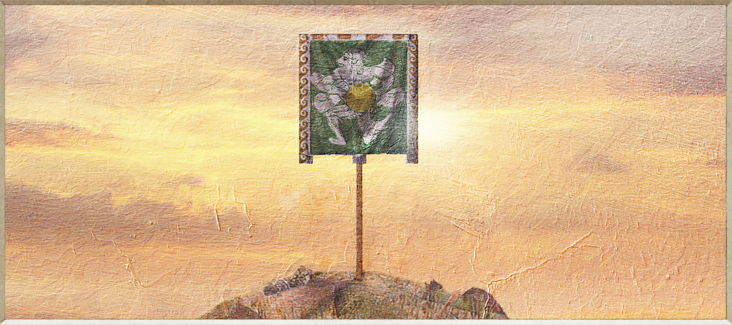
Breaks away: Cilician Pirates from Whoever holds Nagidos and Korakesion (at the start, the Ptolemaic Empire)
The rough coast of Cilicia rises and Nagidos and Korakesion become the Cilician Pirates. Both start the campaign in the hands of the Ptolemaic Empire. The revolt can break out whenever one of the two rebels on its own, and it happens by itself at turn 102 (245 BC) at the latest.
It can happen in any campaign. If you choose the Cilician Pirates when starting a campaign, the game plays forward until they rise and then hands them to you.
What sets it off
- Each time Nagidos or Korakesion rebels on its own through unrest, there are three chances in four that the Cilician revolt breaks out; it breaks out for certain if either city is already in rebel hands.
- If it has not happened by turn 102 (245 BC), the revolt breaks out automatically at the start of that turn.
What happens
- Nagidos and Korakesion both rebel at the start of the next turn, whoever owns them.
- Both pass to the Cilician Pirates, a faction that does not exist at the start of the campaign.
- Each city gets a garrison 3.5 times normal strength, drawn from Cilician Brigands, Kietaian Hillmen, Cilician Neocretan Archers, Cilician Pirates, Cilician Spearmen, Cilician Renowned Pirates and Cilician Cavalry.
- The Cilician Pirates receive 10,000 denarii when Nagidos joins them.
- The revolt happens only once per campaign.
The settlements that revolt (2):
| Settlement | Held at the campaign start by | Settlement | Held at the campaign start by | ||
|---|---|---|---|---|---|
| Nagidos | Ptolemaic Empire | Korakesion | Ptolemaic Empire |
Playing as the rebels
If the revolt breaks out after a city rises on its own, a message offers a human player the chance to take over the Cilician Pirates, provided that player is playing the Seleucid Empire or the Ptolemaic Empire, or owns Nagidos or Korakesion. If you accept, you switch to playing the Cilician Pirates and a government building is added in Nagidos and Korakesion; declining changes nothing. No offer is made when the revolt breaks out automatically at turn 102 (245 BC). The Cilician Pirates can also be chosen at the start of a new campaign: the game plays forward until they rise, and you take over from there.
The in-game message: Cilician Pirates Ravage Trade Routes!
Kings and emperors can send ships and bumble around Cilicia all they want; those fools will never tame the fiery Cilician spirit! The sea belongs to them, and no matter who you are and what you do, you best fear the mightiest pirates of the Mediterranean!
HISTORICAL BACKGROUND
Kilikia Traxeia was a rough and mountainous land in southeastern Anatolia, characterised by a narrow coast with many small natural harbours (Strab. 14.5.1). It was home to the most fearsome bandits of the Mediterranean, the Cilician pirates. All were welcome to join the pirate gangs, not only the locals. Romans blamed the incompetence of the Hellenic kings for their rise to power. However, they too share the blame (Strab. 14.5.2). The pirates grew in power over the first century BC. Beyond attacking ships, they would raid and pillage undefended settlements and sanctuaries, even taking people for ransom (Plut. Mithr. 14.92, Plut. Pomp. 24.5). Their most notable catch was Julius Caesar himself. He had the culprits crucified (Plut. Caes. 2.7). Cilician pirates also participated in slave trade, which grew ever more lucrative as Rome became more powerful (Strab. 14.5.2). By 67 BC, they had become such a problem that Pompey the Great was granted exceptional powers to tackle the issue. That he did, and in only three months, utilizing violence but also forgiving those who surrendered and resettling them (Plut. Pomp. 24.4, 27.4).
Do you want to discontinue your campaign and play as the newly emerged Cilician faction?
Opens the way to: Cilician Thureophoroi Reforms.